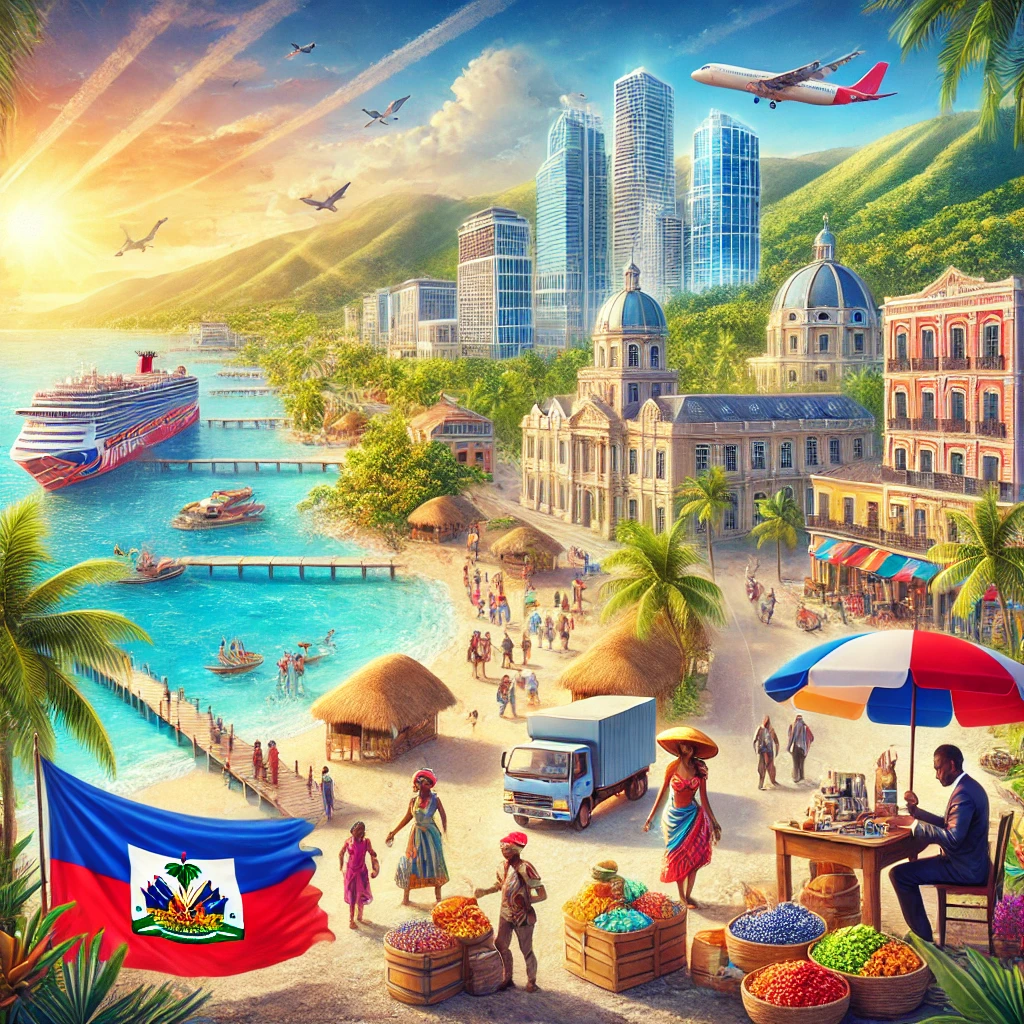
Entrepreneurs and small business owners seeking a vibrant, untapped market should consider Haiti. Renowned for its rich history and dynamic culture, Haiti is quickly emerging as a prime destination for tourism and development projects. With a growing emphasis on eco-friendly and community-led initiatives, the country offers multiple avenues for sustainable growth and lucrative returns. For additional insights on sustainable initiatives, check out Sustainable Tourism in Haiti.
Unleashing Haiti’s Tourism Potential
Haiti is transforming its tourism landscape, blending breathtaking natural beauty with a deep, storied cultural heritage. The focus on sustainable tourism practices highlights Haiti’s potential as an attractive destination. From pristine beaches and lush rural landscapes to captivating historical sites, the country’s assets are finally receiving global recognition.
The rising demand for eco-conscious travel creates significant opportunities for sustainable tourism projects in Haiti. These ventures combine modern amenities with authentic local experiences, inviting visitors to enjoy activities like culinary tours, artisan workshops, and guided eco-adventures.
Prioritizing value creation not only benefits local communities and preserves cultural heritage but also builds a loyal customer base that values authenticity. By leveraging these factors, Haiti is quickly becoming a must-visit destination for discerning travelers.
Strategies for Investing in Haiti Tourism and Development
Thoughtful investments and strategic planning are key to tapping into Haiti’s burgeoning market. Prospective investors must understand local dynamics and market trends to unlock significant economic and social returns.
Engaging local partners and stakeholders is essential from the outset. Building trust within the community ensures that projects align with local values and environmental priorities, while also simplifying the process of securing permits and navigating regulatory requirements.
Utilizing financial models that emphasize gradual growth and risk mitigation can drive long-term success. Diversifying investments—ranging from eco-lodges and boutique hotels to adventure tourism and cultural experiences—can merge profit with purpose, appealing to a global audience committed to sustainable development. To learn more about innovative investment approaches, see our post on Haiti Development Projects.
Commitment to Sustainability and Community Partnership
Sustainability is shaping the future of business in Haiti. New projects are designed to meet international standards by incorporating energy-efficient technologies and prioritizing water conservation. Local guides and artisans play a central role in enhancing the tourism experience.
These sustainability initiatives not only reduce environmental impacts but also promote social equity by reinvesting profits into local development. This collaborative strategy fosters innovative projects that resonate with tourists who value ethical and responsible travel.
Additionally, green practices such as solar energy installations and waste recycling programs help reduce operational costs over time while improving overall environmental conditions for local communities.
Modern Infrastructure and Global Engagement
Upgraded infrastructure is vital for boosting Haiti’s tourism sector. Recent efforts to enhance connectivity, expand transportation options, and upgrade facilities in key tourist areas make it easier for both domestic and international visitors to experience the country’s diversity.
Both the government and the private sector are leveraging digital technology to improve visitor experiences. Digital platforms streamline booking processes and market destinations effectively, while real-time data collection guides further investments in Haiti’s tourism sector.
International recognition, including features in prominent publications like Forbes, is attracting global investors to Haiti. This momentum enhances modernization efforts and cultivates a robust ecosystem for tourism.
Local entrepreneurs can seize these opportunities by collaborating with experienced organizations. For more insights on business growth strategies, visit resources for business growth strategies available through trusted networks.
By modernizing infrastructure and harnessing digital technology, Haiti is positioning itself as a key player in the Caribbean tourism market. This timely shift comes as the demand for authentic, sustainable travel experiences reaches new highs.
Investors and entrepreneurs have a unique chance to get ahead in a market with vast potential. The synergy of sustainable tourism, improved infrastructure, and a rich cultural experience makes Haiti an enticing destination for those looking to achieve financial success while making a positive impact.
Whether you are an investor aiming for strong returns or a small business owner exploring collaborative ventures, Haiti’s evolving landscape offers a wealth of opportunities. With a focus on innovation, sustainability, and community engagement, investments in Haiti tourism and development projects promise to yield both economic benefits and lasting social impact.
- Haiti boasts unique cultural and natural attractions that form a solid foundation for tourism development.
- Sustainable tourism projects in Haiti blend economic growth with environmental and social benefits.
- Successful investment depends on local partnerships and modern infrastructure improvements.
- Entrepreneurs and small business owners can significantly influence Haiti’s promising tourism market.