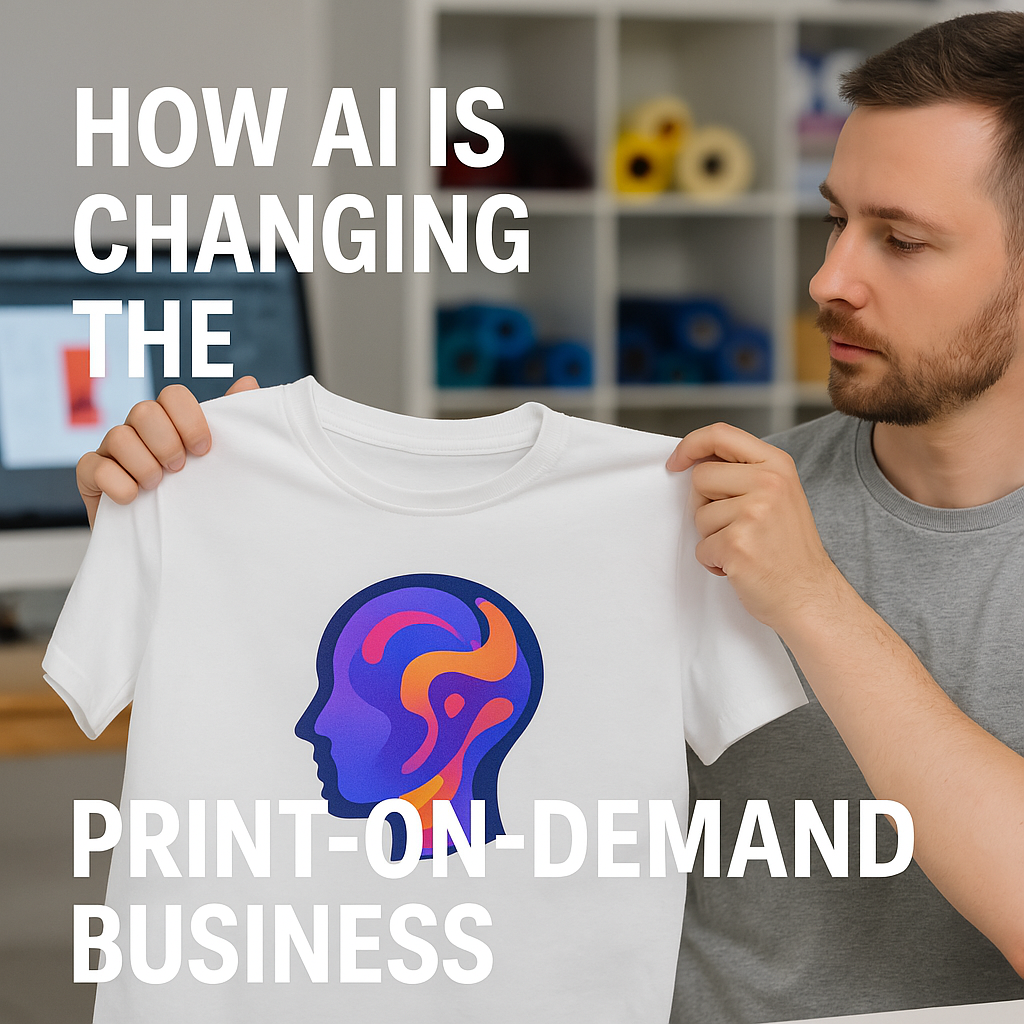
The print-on-demand industry is undergoing a revolution, driven by rapid advancements in artificial intelligence. Entrepreneurs and small business owners are discovering that leveraging AI in their print-on-demand business not only streamlines operations but also sparks creative innovation, enhances customer engagement, and boosts process efficiency. In this article, we explore how AI is transforming print-on-demand services and reshaping the future of the industry.
Revolutionizing Design and Production
AI is fundamentally changing design and production workflows in print-on-demand. Gone are the days of multiple manual iterations; today, smart AI-powered tools quickly generate multiple design concepts that are visually striking and tailored to specific target audiences. These innovative tools empower even non-design experts to create professional-grade graphics that elevate brand quality.
By analyzing trending design elements, customer preferences, and market data, AI systems recommend optimal colors, typography, and layouts. Adopting AI strategies for print-on-demand business enables entrepreneurs to make data-driven decisions, accelerating the creative process while minimizing costly design errors. This transformation not only saves time but also reduces production costs, allowing small businesses to compete with larger players.
Enhancing Customer Experience and Personalization
Today’s customers demand personalized experiences, and AI is meeting that need head-on. Advanced algorithms track customer behavior, offering tailored product recommendations based on past purchases and browsing patterns. This customization enhances customer satisfaction and builds loyalty, driving repeat purchases and positive word-of-mouth.
Beyond personalization, AI improves overall customer service with tools such as chatbots and virtual assistants. These machine learning-powered solutions handle common queries, provide real-time order updates, and troubleshoot issues efficiently, ensuring a seamless customer experience 24/7.
Streamlining Operations and Inventory Management
Behind the scenes, AI plays a pivotal role in optimizing day-to-day operations. AI-driven tools forecast demand, optimize inventory levels, and minimize waste. For example, smart platforms analyze sales trends to identify best-selling designs, enabling accurate inventory management and efficient resource allocation.
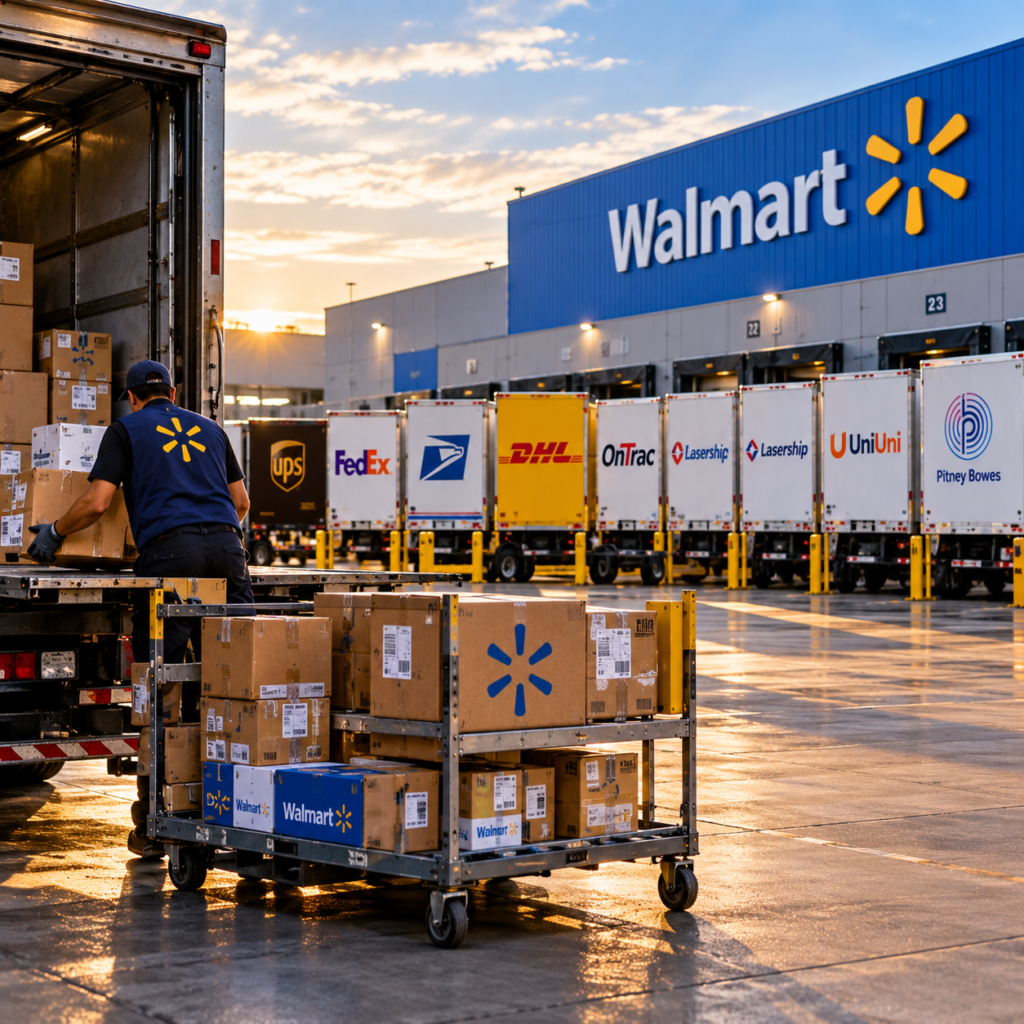
The impact of artificial intelligence on the print-on-demand industry extends to production timelines and logistics. By integrating AI with e-commerce and supply chain management systems, businesses can schedule print jobs during peak demand and adapt quickly to market changes. This integrated approach reduces errors and supports scalable growth.
Additionally, AI-powered quality control systems rapidly identify discrepancies in print quality. Automated scans ensure that only products meeting high standards proceed to final production, reducing returns and refunds while bolstering customer trust.
Leveraging Data-Driven Insights and Emerging Trends
AI unlocks valuable data-driven insights that empower business owners to refine their strategies and innovate continuously. With access to detailed performance reports, consumer behavior analytics, and competitor data, print-on-demand businesses can make informed decisions when launching new products or marketing campaigns.
This cycle of continuous improvement is vital in a competitive market. By embracing intelligent analytics, entrepreneurs can better align product offerings with customer interests and adjust production schedules effectively.
Moreover, emerging trends such as augmented reality (AR) are being integrated with print-on-demand services, allowing customers to visualize designs before purchase. AR, supported by AI, offers a competitive edge by enhancing the shopping experience and broadening the horizons of traditional e-commerce.
For more insights into digital transformations and best business practices, visit Make Business.
Looking ahead, the potential of AI to reshape the print-on-demand landscape continues to grow. Early adopters of these innovations will benefit from increased efficiency, higher customer satisfaction, and long-term scalability. As machine learning algorithms evolve, product customization will extend beyond aesthetics to include regional preferences, seasonal trends, and emerging micro-trends. Real-time social media integration may even enable products to react instantly to viral moments.
Businesses are now adopting comprehensive tools that provide a 360-degree view of operations. Integrating e-commerce platforms with AI-driven analytics allows owners to monitor everything from website traffic to customer satisfaction. Companies like Printful and Redbubble are already capitalizing on these technologies, boasting faster turnarounds and enhanced personalization. The race is on for others to integrate similar innovations.
According to a recent Forbes article, investments in AI for customer-centric applications have grown nearly 40% year-over-year, highlighting the transformative power of technology in industries like print-on-demand. Those who fail to innovate risk being left behind in an increasingly competitive digital marketplace.
In today’s dynamic market, agility and continuous adaptation are essentials for business success. Embracing AI technologies not only meets current consumer demands but also prepares your business for future growth and differentiation.
Whether you’re launching a print-on-demand startup or optimizing an existing operation, integrating AI is no longer optional—it’s a strategic imperative. Understanding how AI transforms print-on-demand services opens doors to operational efficiencies, creative breakthroughs, and elevated customer engagement.
Experiment with diverse AI strategies for your print-on-demand business and invest in learning how to harness these powerful tools. In an ever-evolving market, the key to success is not just keeping pace with trends, but anticipating and preparing for future shifts in technology.
In summary, the integration of artificial intelligence into the print-on-demand industry is a game-changer for small businesses. It facilitates faster, data-driven decision-making, streamlines operations, and delivers personalized customer interactions. Embracing these technologies transforms your business into a modern, agile enterprise poised for future success.
- AI-powered design tools enable rapid creation of market-relevant products.
- Personalized customer experiences boost satisfaction and loyalty.
- Advanced analytics enhance inventory management and operational efficiency.
- Data-driven insights equip businesses to anticipate future market trends.