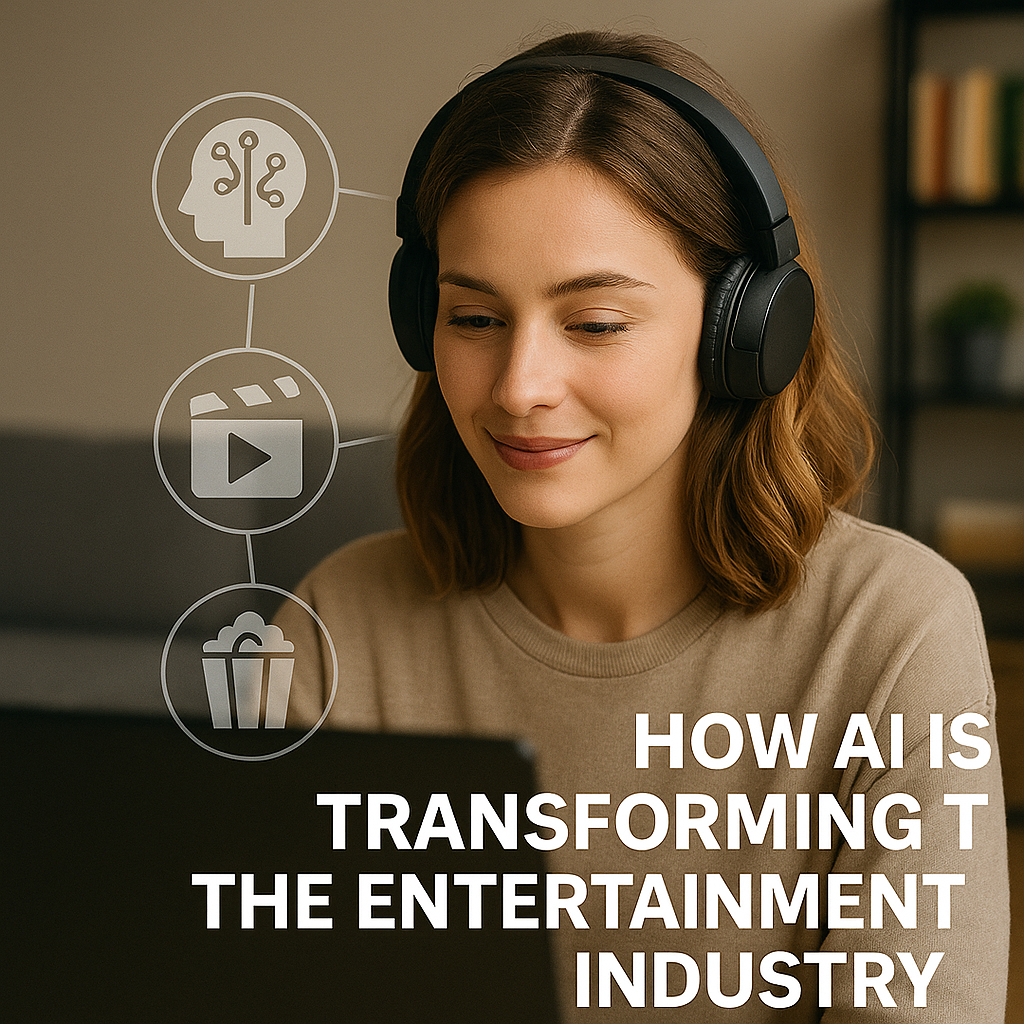
The entertainment industry has always been a hub of innovation, and recent technological advances are taking creativity to new heights. Artificial intelligence is no longer just a buzzword; it’s fundamentally transforming the way content is created, produced, and consumed across all mediums.
The Impact of Artificial Intelligence on Content Creation
Over the past decade, advancements in AI have sparked a wave of creativity and innovation in content creation. Industry professionals and entrepreneurs are now partnering with AI to move beyond traditional methods, using data-driven insights to craft compelling scripts, dynamic storylines, and visually stunning narratives.
AI-powered tools process vast amounts of data to uncover patterns, emerging trends, and audience preferences that drive engagement. From video editing to developing custom soundtracks, these technologies empower creators by democratizing content production. This shift allows small business owners and independent creators to compete more effectively with larger studios.
This innovative approach is giving rise to fresh narratives and diverse creative outputs that captivate audiences. As AI continues to evolve, the collaboration between human talent and machine learning models symbolizes the entertainment industry’s commitment to forward-thinking creativity.
AI-Driven Innovations in Film and Television Production
AI is visibly transforming film and television production by streamlining traditionally labor-intensive workflows. From script analysis and casting to visual effects and post-production, AI tools are enhancing efficiency and predicting audience behavior, allowing for more informed decision-making.
Content creators now employ sophisticated algorithms to forecast box office potential and viewership engagement even before a film is released. This predictive capability enables producers and directors to optimize marketing strategies and allocate resources more precisely. With data-backed insights, the industry is embracing smarter, more efficient production processes.
Furthermore, machine learning is revolutionizing editing and special effects, significantly reducing project turnaround times and elevating visual quality. Whether refining CGI sequences or balancing post-production lighting, AI tools are proving invaluable. These advancements not only reduce costs but also allow smaller production companies to invest more strategically in creativity. For detailed insights on practical business strategies related to AI, visit our small business insights page.
How AI is Reshaping Digital Entertainment Experiences
The influence of AI extends beyond production—it is redefining the digital entertainment experience. Smart recommendation systems and dynamic content creation tools are personalizing how we enjoy media, transforming viewer interactions across platforms.
Streaming services and interactive digital environments harness AI to analyze user data, track viewing habits, and deliver content tailored to individual preferences. This targeted approach is not only changing media consumption but also impacting purchasing decisions and brand loyalty. Personalized recommendations, adaptive streaming quality, and interactive storytelling exemplify how AI is reshaping modern digital experiences.
In addition, AI-enhanced customer support and real-time feedback analysis enable digital platforms to continuously refine their services. Startups and innovative companies are leveraging chatbots and natural language processing to engage viewers, fostering a more immersive and adaptive entertainment landscape.
Forbes has highlighted how tailored viewing experiences driven by AI are setting new industry standards and redefining audience engagement by merging technology with creativity.
Challenges and Opportunities for Entrepreneurs and Small Business Owners
While AI’s integration into the entertainment sector offers exciting opportunities, it does present challenges such as a steep learning curve and initial investment costs. However, the potential rewards far outweigh these hurdles for many entrepreneurs and small business owners.
Innovative, budget-conscious production houses now have access to AI tools once exclusive to large studios. These cost-effective solutions enable experimentation with creative ideas and streamlined production processes. With an increasing range of cloud-based AI services tailored for digital marketing, production, and customer engagement, small businesses can now compete on an even playing field.
Entrepreneurs must also recognize the broader benefits of AI adoption. By analyzing data and predicting trends, AI allows businesses to become more agile and responsive to market shifts. This enhanced insight leads to more targeted advertising, refined project management, and a deeper understanding of audience demands.
Opportunities for collaboration also abound. Small businesses can partner with tech startups or larger corporations to share expertise and effectively leverage AI. Building strategic networks is vital in staying ahead of industry trends and achieving long-term success in today’s evolving digital landscape.
By embracing these innovative strategies, entrepreneurs can transform potential challenges into opportunities, ensuring that their ventures remain competitive and relevant amid the AI revolution in the entertainment industry.
As AI technology continues to mature, continuous learning and adaptation are essential. Business leaders and content creators must invest in understanding new tools and adapting their strategies. Educational resources, technology workshops, and collaborative networks can bridge the knowledge gap, empowering even early adopters to harness AI for both creative and commercial success.
Ethical considerations are also crucial. As AI influences content curation and creation, transparent processes help build trust with audiences. Balancing innovation with privacy, creative integrity, and data security is key to sustainable growth in the industry.
By staying informed and agile, business leaders can navigate the challenges of AI integration while seizing the opportunities it presents, driving the future of entertainment.
- Enhanced creative workflows drive innovative storytelling and new content creation methods.
- Film and television production benefit from data-driven decision-making and efficient AI tools.
- Digital entertainment experiences are increasingly personalized to meet viewer preferences.
- Entrepreneurs and small businesses can compete with larger studios through cost-effective AI solutions and strategic collaborations.