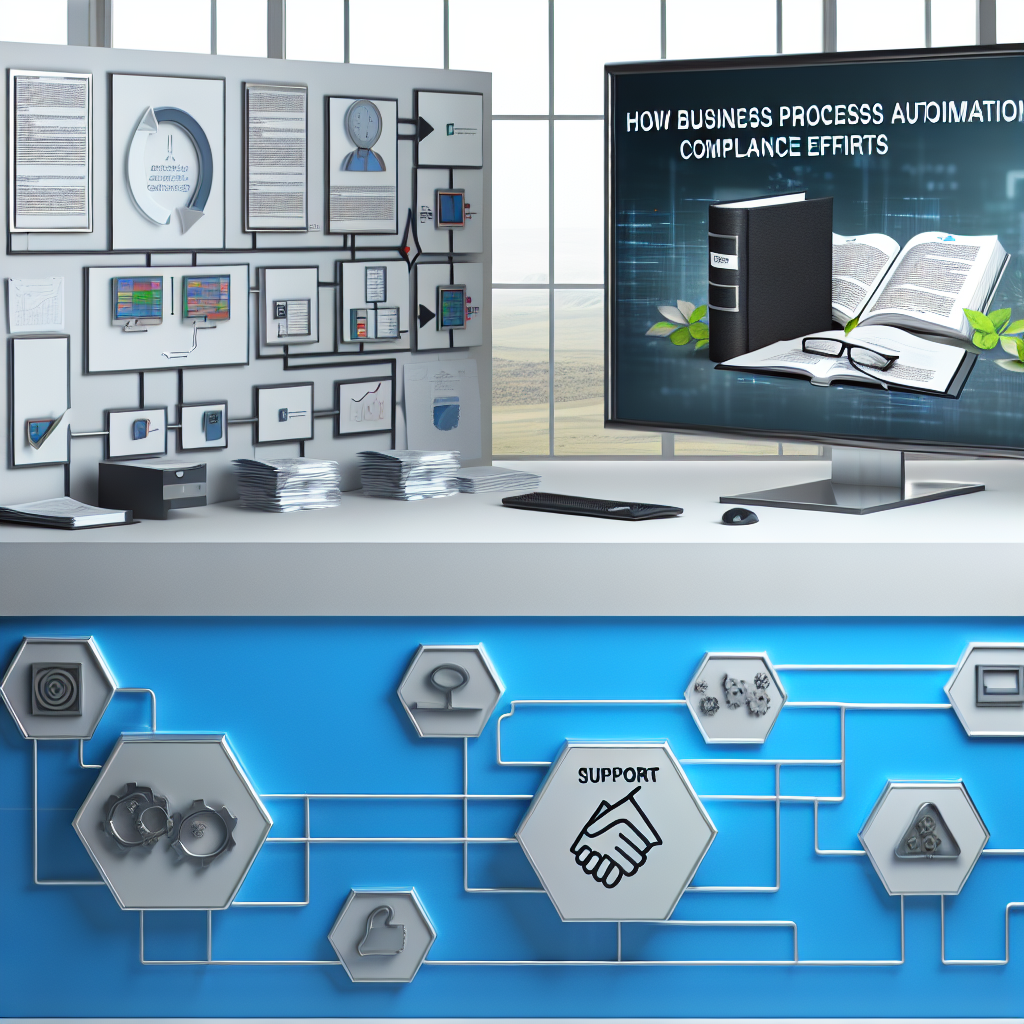
In today’s dynamic business environment, entrepreneurs and small business owners must navigate a landscape of ever-changing regulations. With increasing scrutiny from regulatory agencies and industry standards, companies need to stay proactive about compliance. Fortunately, business process automation offers a powerful solution to streamline compliance, reduce errors, and mitigate risk.
Understanding the Compliance Landscape
Modern businesses must comply with a complex mix of regulatory requirements that vary by industry and region. Whether dealing with data privacy, financial reporting, or environmental laws, a systematic approach to compliance is essential. Business process automation provides a reliable method to manage routine tasks, minimize human error, and free up valuable time. It’s not just about meeting the regulations—it’s about integrating compliance into your strategic growth plan.
For small business owners, effective compliance means more than avoiding fines; it builds a foundation of accountability and trust with customers and partners. By automating repetitive tasks, companies can overcome regulatory fatigue and transform compliance challenges into operational strengths.
Key Benefits of Automating Compliance Efforts
Automating compliance processes offers a host of benefits that help businesses meet both internal policies and external mandates. One of the primary advantages is the significant reduction of human error. Automated systems ensure that data collection, reporting, and monitoring are executed consistently and accurately.
Real-time monitoring and notifications provide decision-makers with up-to-date information, allowing for early detection of potential issues before they escalate. This proactive approach not only improves internal efficiency but also builds confidence with stakeholders who value transparency and swift corrective measures.
The digital records generated by automation—complete with detailed logs, timestamps, and audit trails—serve as verifiable evidence during audits or regulatory reviews. This comprehensive documentation demonstrates your commitment to regulatory compliance and builds trust in today’s stringent and litigious environment.
Practical Strategies for Implementing Compliance Automation
Transitioning to an automated compliance system requires thoughtful planning. Here are some practical strategies for small business owners:
Assess Your Current Compliance Processes
Start by mapping out your existing regulatory compliance procedures. Identify tasks that are time-consuming, error-prone, or repetitive—whether it’s document management, reporting, or data validation. A detailed assessment will reveal where automation can have the greatest impact, helping you choose the right tools for your business.
Select the Right Automation Tools
Not every automation solution will meet your compliance needs. Look for systems that offer real-time monitoring, secure data storage, and customizable reporting features. Tools that seamlessly integrate with your existing software—such as customer relationship management, accounting, or inventory management systems—ensure smooth and efficient operations.
Cloud-based compliance platforms, for example, offer both accessibility and scalability, allowing your system to grow alongside your business without major overhauls.
Focus on Training and Adoption
Successful implementation hinges on team acceptance. Invest in comprehensive training sessions that highlight the tangible benefits of automated compliance, including reduced manual workloads and a lower risk of errors. When your team understands how automation improves day-to-day processes, adoption becomes more natural and effective.
Promote a culture of continuous improvement by offering periodic refresher courses and updates. This approach not only sustains efficiency but also transforms compliance into a proactive, strategic function.
Monitor, Review, and Adjust
Once automation is in place, regular monitoring and audits are crucial. Continually review your automated systems to ensure they remain effective and compliant with changing regulations. Adjust configurations as needed to address any discrepancies or evolving business demands. Remember, automation is an evolving tool that benefits from ongoing oversight and optimization.
Driving Business Growth Through Effective Compliance
By leveraging technology to maintain compliance, your team can shift focus from tedious manual checks to more strategic initiatives like innovation and customer engagement. This improved operational efficiency fuels business growth by freeing up resources and time for critical activities.
Companies that integrate automation into their compliance workflows experience smoother audits, fewer financial penalties, and enhanced reputations among customers and investors. Industry leaders, including insights from Forbes, highlight that modernizing regulatory compliance leads to significant gains in efficiency and scalability.
Moreover, an automated compliance framework provides executives with real-time data, helping to identify trends, anticipate regulatory challenges, and allocate resources more effectively. This data-driven approach not only meets current requirements but also positions your business to adapt to future changes. For more insights on building robust business processes, explore detailed guides on platforms like Make Business.
In conclusion, business process automation for regulatory compliance is a transformative strategy for modern businesses. It eliminates redundancies, minimizes human error, and offers scalable solutions for navigating complex regulatory landscapes. As compliance demands evolve, automated processes become essential for creating a modern, resilient business strategy.
By reducing administrative burdens and promoting proactive risk management, automation turns compliance into a strategic asset. Entrepreneurs and small business owners who embrace this technology not only protect their operations but also unlock new growth opportunities, enhancing overall brand credibility in the digital economy.
- Streamlined automation minimizes human error and reduces compliance risks.
- Real-time monitoring and detailed audit trails enhance operational transparency.
- Integration with existing systems ensures seamless compliance management.
- Empowered teams can focus on innovation and strategic growth initiatives.