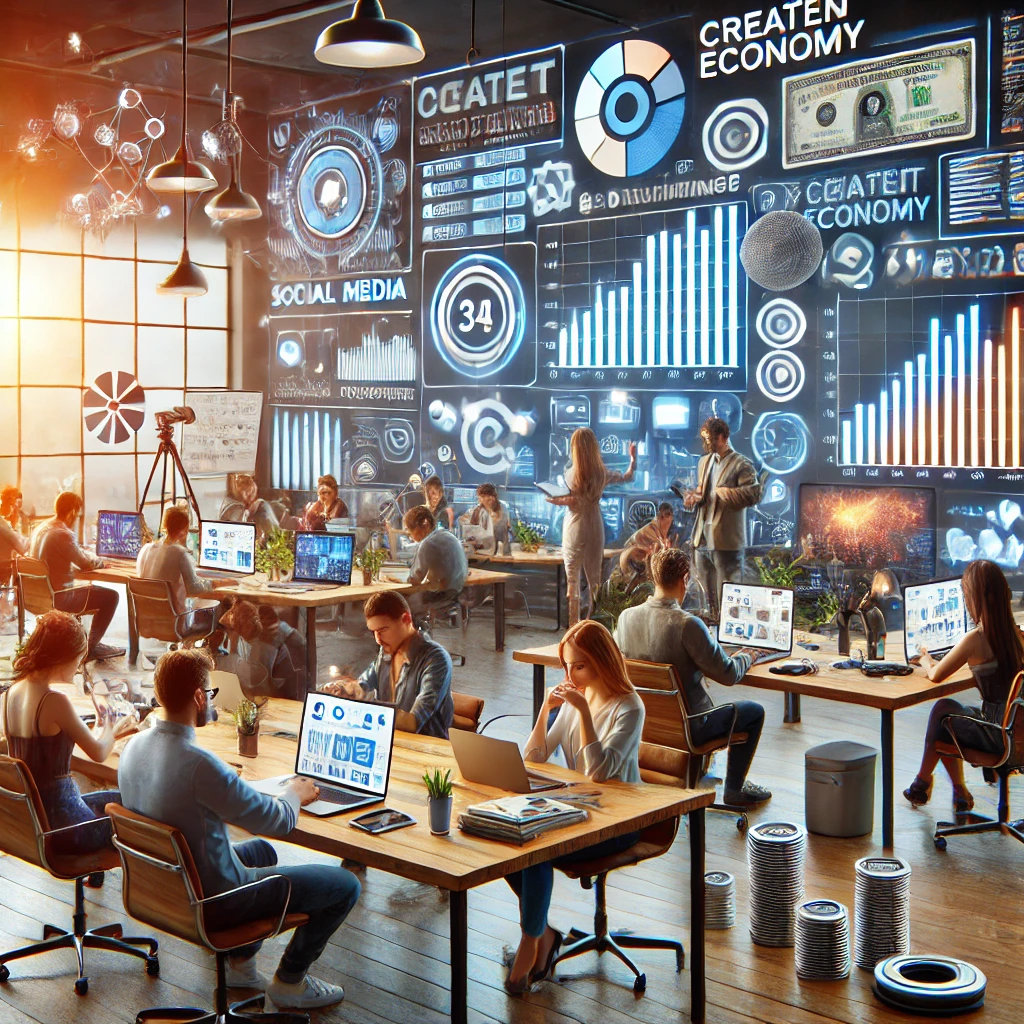
In recent years, content creators, influencers, and digital entrepreneurs have sparked a transformation in how work is organized and valued. Today’s interconnected world shows that the creator economy is not only reshaping traditional work models but also challenging long-held views on employment. For entrepreneurs and small business owners, adapting to these changes is more than a necessity—it’s an unparalleled opportunity.
The New Landscape: Beyond Conventional Employment
The modern work environment has evolved dramatically over the past decade. With platforms enabling individuals to monetize niche hobbies and professional expertise alike, the creator economy is redefining work practices in unexpected ways. This transformation extends beyond innovative business models; it fosters a work culture where flexibility, creativity, and empowerment take center stage.
Traditional jobs with fixed schedules and rigid hierarchies are no longer the only valid way to engage professionally. Digital creators are pioneering alternative collaboration models and revenue streams, spurring a rise in remote work, freelance opportunities, and digital gig marketplaces. Small business owners are increasingly aware that these methods unlock access to a more agile and imaginative workforce.
In today’s storytelling-driven world, brands are shifting their focus from traditional job roles to candidates who excel in digital media and creative engagement. This transformation underscores a clear trend: proficiency in digital skills and creative thinking is now essential for sustainable business growth.
Why the Creator Economy is a Game-Changer for Entrepreneurs
For entrepreneurs and small business owners, the creator economy disrupts old norms while offering unprecedented opportunities for growth and innovation. If you’re evaluating the impact of the creator economy on conventional employment, consider these key reasons why this trend might be the catalyst for your next strategic pivot:
1. Enhanced Flexibility and Agility
Digital creators are not confined by rigid schedules or centralized offices. This new level of flexibility sets a model for businesses looking to tap into a global talent pool. By adopting a fluid work culture, companies can break down traditional corporate barriers, fostering an environment where innovation and creative thinking flourish.
When your business structure mirrors these modern practices, you can experience significant efficiency gains. Digital collaboration tools can eliminate geographical constraints and streamline teamwork, a crucial advantage for small businesses that often juggle multiple roles without the support of large in-house teams.
2. Redistributing Power from Employers to Creators
The creator economy is shifting power dynamics in the work environment. The rise of freelance professionals and independent contractors means skilled individuals now command more bargaining power than ever. Traditional employment contracts are gradually being replaced by project-based engagements that benefit both employers and creators. Entrepreneurs who adapt to this shift can assemble teams based on talent and passion rather than availability alone.
By allowing creators to set their own terms, business owners can nurture a culture that rewards innovation and continuous personal development. This shift not only makes organizations more competitive but also enables rapid scaling of innovative solutions without the slow processes of conventional hiring.
3. Direct-to-Consumer Relationships and Audience Engagement
A defining strength of the creator economy is the deep connection between creators and their audiences. Unlike traditional employers, digital creators build authentic communities through personal branding. For small businesses, leveraging these skills can transform marketing by creating direct and meaningful lines of communication with consumers.
Collaborations with digital creators allow businesses to launch targeted campaigns, share user-generated content, and test new product ideas with real-time feedback. By integrating storytelling into your marketing strategy and engaging interactively with audiences, you can foster brand loyalty and drive customer conversions in today’s crowded market.
Strategies for Embracing the Changing Work Environment
As the digital landscape evolves, creative disruption of traditional work models is inevitable. Entrepreneurs who adopt strategies aligned with modern digital values stand to thrive. Consider these practical strategies for staying ahead:
Invest in Digital Tools and Platforms
The backbone of modern work practices is effective digital tools that facilitate communication, project management, and performance tracking. Video conferencing software, collaboration platforms, and advanced analytics tools are now essential for maintaining productivity with remote teams. For business owners eager to modernize operations, investing in digital infrastructure is a strategic imperative.
Many small businesses are turning to tools like Slack, Trello, and Asana to streamline workflows, while cloud-based services ensure that the flexibility of the creator economy is paired with robust productivity systems. Explore insights on Adapting Your Business for the Digital Age for further guidance.
Foster a Culture of Continuous Learning and Adaptability
A hallmark of the creator economy is its commitment to continuous innovation. Both employees and freelancers thrive in environments that promote skill development and creative exploration. Entrepreneurs who encourage regular learning and adaptation will find their businesses better equipped to navigate market challenges.
Implementing remote learning programs, hosting knowledge-sharing sessions, and partnering with digital academies are excellent ways to keep your team at the forefront of industry trends. A culture that values adaptability not only prepares your business for unexpected changes but also leads to a more empowered, satisfied workforce.
Collaborate with Digital Creators and Innovators
Strategic partnerships are a powerful way to navigate the transition to modern work practices. Instead of viewing freelance professionals and digital creators as competitors, forward-thinking entrepreneurs engage them as allies. Collaborations with independent creators can infuse your business with fresh insights and creative energy that traditional structures may lack.
These partnerships can take many forms—from short-term projects and influencer marketing to co-developing innovative products or services. Many brands today leverage social media influencers to test products, gather feedback, and refine offerings, demonstrating how dynamic collaborations can lead to transformational business outcomes.
Discover more business growth insights and innovative strategies on this page and learn how to position your business at the forefront of digital transformation.
Looking Ahead: The Future of Work in a Creator-Driven Economy
The creator economy is not a fleeting trend; it is a fundamental shift that is redefining work. As digital channels expand and technology evolves, we will likely witness further changes that challenge traditional employment models. The long-term impact of the creator economy reveals one constant: flexibility, creativity, and digital proficiency are essential for success.
Industry experts, including those featured in Forbes, urge businesses to adapt rapidly to maintain a competitive edge. As remote work, freelance engagements, and digital collaborations become the norm, companies that embrace these innovations will thrive, while those that resist may fall behind.
Although the shift may seem daunting for those accustomed to traditional work models, it is an opportunity to reassess strategies, streamline operations, and unlock your team’s creative potential. Success stories from startups and pioneering enterprises provide a roadmap for integrating new work practices. By prioritizing digital skills, flexible work arrangements, and cross-industry collaboration, businesses can confidently navigate this evolution.
Transitioning to a creator-powered work environment does not mean abandoning traditional practices entirely—it is about blending timeless wisdom with effective digital strategies. Embracing this evolution will enable businesses to attract top talent, engage audiences, and remain resilient in an increasingly competitive marketplace.
The creator economy is reshaping traditional work models and will continue to influence employment landscapes. Staying informed of these trends and adopting proactive strategies can give your business a critical edge in a dynamic digital era.
- The digital creator trend is redefining work structure and value.
- Flexibility, digital tools, and remote collaboration are essential for modern business.
- Partnering with independent creators can drive innovative growth.
- Adapting to new work practices ensures long-term resilience and a competitive edge.