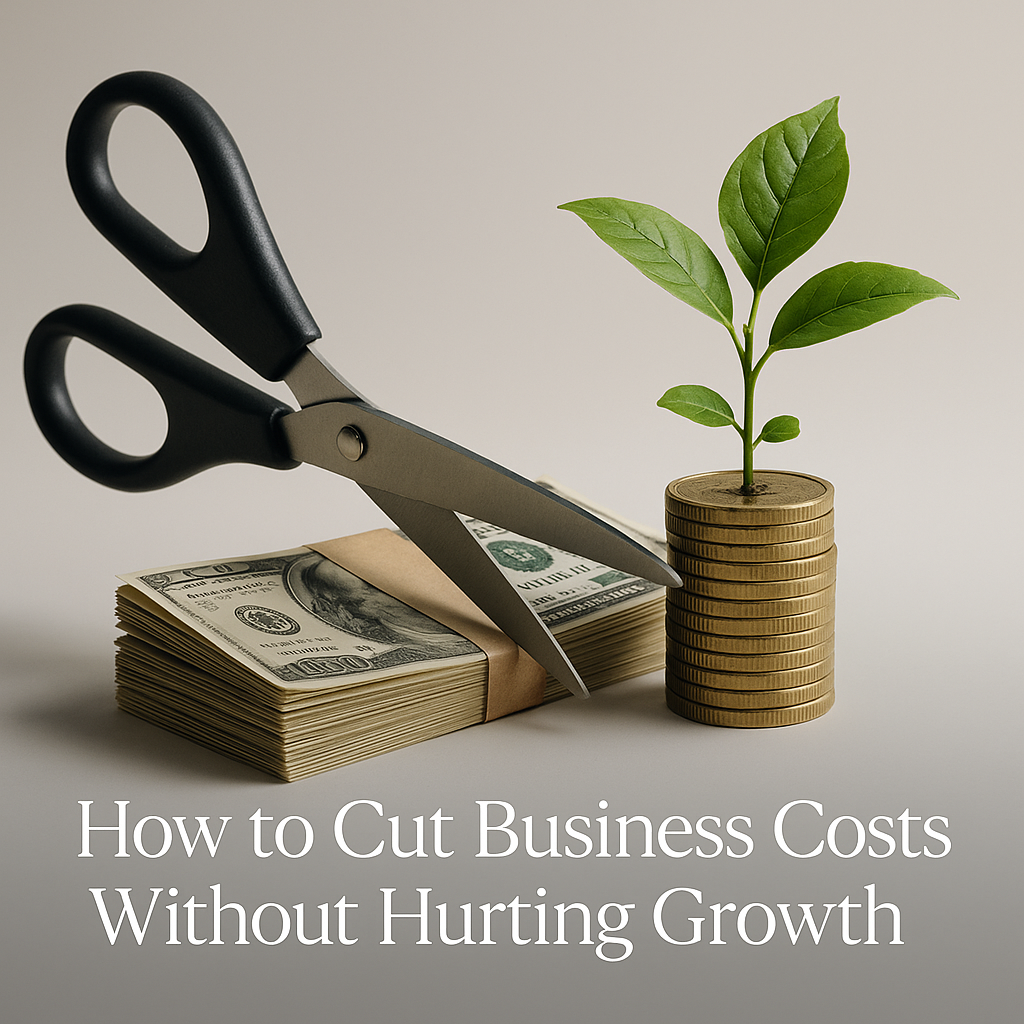
In today’s dynamic business landscape, smart spending and strategic planning are essential for long-term success. For small business owners and entrepreneurs, managing expenses goes beyond simply saving money—it’s about setting the stage for sustainable growth. By implementing cost-saving strategies that maintain competitive momentum, companies can streamline operations, eliminate waste, and prepare for future expansion.
Understanding the Need for Smart Cost Reduction
Business owners constantly juggle the challenge of managing expenses while investing in growth and innovation. Each dollar saved can potentially redirect funds from initiatives that generate new revenue streams. However, when cost reduction is approached strategically, it unveils opportunities to eliminate waste, optimize operations, and build a resilient organization.
Rather than imposing broad budget cuts, industry experts recommend targeted cost reduction techniques that support sustainable growth. This involves analyzing core business functions and identifying non-essential expenditures for optimization or elimination. Investing selectively in areas that drive competitive advantage while cutting inefficiencies can significantly enhance your business’s performance.
Contrary to popular belief, reducing costs does not necessarily restrict growth. Smart expense reductions free up resources that can be reinvested in technology, employee training, and customer service—critical areas for future development. In today’s fast-paced market, a clear financial strategy is vital to maintain operational balance and momentum.
For instance, consider the tech sector: delaying the adoption of new systems can inflate operating costs, whereas planned investments in automation tools can reduce repetitive tasks and better utilize employee time. Embracing change and taking calculated risks through proven cost-reduction methods can be the catalyst that turns stagnation into success.
Exploring Cost Reduction Techniques That Propel Growth
The first step in cutting business costs without sacrificing growth is a thorough review of your internal processes. Hidden inefficiencies often lurk in areas such as supply chain management, human resources, and daily administrative tasks. A comprehensive audit can reveal overlapping functions, delays, or manual procedures that technology can streamline. The goal is to refine processes for better performance, not to disrupt operations with drastic cuts.
Leveraging technology is a reliable approach to reducing costs. Many small businesses have found that transitioning to digital tools can significantly lower operating expenses. For example, cloud-based software minimizes the need for costly IT infrastructure while ensuring data security and accessibility. Additionally, online collaboration platforms can reduce travel expenses and cut down on the overhead associated with traditional communication methods.
Effective vendor management is another key area. Negotiating with suppliers or exploring alternative vendors can result in significant discounts and more favorable contract terms. A lean approach to inventory management—ordering stock based on current demand—can also reduce storage costs and prevent losses from overstocking.
In terms of staffing, outsourcing has emerged as a flexible solution for many entrepreneurs. Rather than hiring full-time employees for every role, contracting with freelancers or specialized agencies can optimize payroll costs while ensuring access to expert skills when needed. This method is especially advantageous for roles that do not require constant, in-house attention.
For additional insights, reputable sources like Forbes offer valuable strategies and the latest industry trends on effective cost management.
Implementing Proven Methods for Reducing Business Expenses While Driving Growth
A successful cost-reduction strategy involves continuous monitoring and adjustment. Introducing new practices gradually can minimize disruptions, while transparency in decision-making fosters a collaborative work culture that encourages ideas for further savings.
Begin by setting clear, measurable objectives for your cost reduction initiatives. Rather than a vague mandate to “cut costs,” define specific targets—such as reducing monthly operational expenses by a set percentage through supplier consolidation or optimized software subscriptions. This targeted approach builds resilience and makes progress easier to track.
It is crucial that cost-saving measures do not cause employee dissatisfaction or compromise service quality. Engaging staff in open dialogue can identify operational shortcomings and suggest improvements. When employees feel heard and involved, changes can be implemented with minimal disruption.
Shifting from reactive cost cuts to proactive continuous improvement yields lasting benefits. Embed efficiency into your corporate culture through regular training, feedback sessions, and performance reviews. By encouraging every team member to contribute to the process, your business can continuously discover new opportunities for savings.
Detailed case studies and business guides available on platforms like Industry Insights can offer practical examples of how small businesses reallocate resources effectively while maintaining growth. These resources provide actionable advice for balancing cost reduction with strategic investments.
Fostering a Culture of Innovation and Efficiency
Cutting business costs intelligently does not stifle creativity or innovation. In fact, efficiency improvements often release valuable resources that can be reinvested into research and development, marketing initiatives, and enhanced customer service.
Automation and digital tools do not replace human oversight—they enhance it. By automating routine processes, employees have more time to focus on strategic, creative tasks that drive growth. This balance not only boosts job satisfaction but also opens new avenues for business expansion.
For small businesses, even modest operational changes can lead to significant efficiency gains. Lean management practices, which eliminate waste in time, materials, or energy, help streamline expenses and allow teams to concentrate on innovation and strategic growth.
Evaluate your entire business ecosystem, including customer engagement and supplier relationships, to ensure cost-cutting measures do not undermine your overall value proposition. For example, a reassessment of your customer support model might reveal opportunities to enhance service quality while reducing expenses through smarter resource allocation.
Outsourcing non-core functions, such as IT management or digital marketing, can also yield cost savings. Many successful businesses partner with specialized service providers to gain higher expertise at lower costs than would be possible with a full in-house team.
Across your organization, focus on gathering data, testing small-scale changes, and scaling what works. Not every initiative will provide immediate benefits, but a consistent commitment to improvement and thoughtful investment fuels sustainable growth. The art of cost reduction lies in identifying non-essential areas to streamline while continuing—or even increasing—investment in critical growth areas.
Entrepreneurs who embrace these smart cost-saving strategies not only trim expenses but also reinvest the savings into initiatives that drive long-term success. The journey is about building an agile, innovative business that is prepared to navigate change and emerge stronger.
- Systematically review processes to identify inefficiencies and streamline operations.
- Leverage digital tools and technology to automate routine tasks and reduce overhead costs.
- Foster a culture of proactive employee engagement and transparent communication.
- Reinvest saved resources into innovation and strategic growth initiatives.