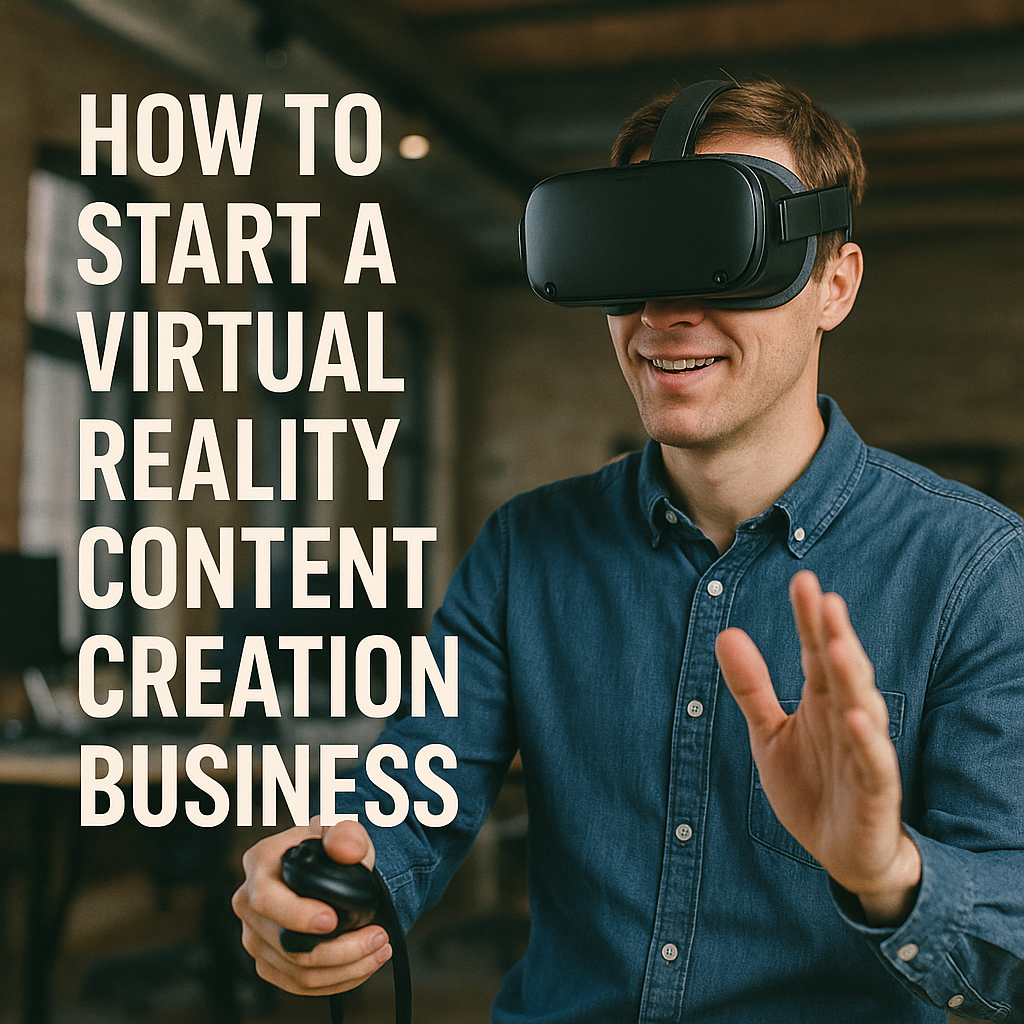
Launching a virtual reality content creation business is an exciting and rewarding opportunity in today’s rapidly evolving digital landscape. With immersive technologies transforming the way we experience media, entrepreneurs and creative professionals can shape the future of interactive storytelling. Whether you’re a tech enthusiast or a visionary storyteller, this guide provides practical insights to help you start a VR content creation business that captivates modern audiences.
Exploring the Virtual Reality Frontier
Before you dive into the VR world, it’s essential to understand the industry’s foundations. The virtual reality ecosystem is multifaceted, combining hardware innovation, advanced software development, and creative content production. To successfully launch your VR content creation business, start by researching the latest industry trends, familiarizing yourself with state-of-the-art technologies, and learning what modern audiences expect from immersive experiences.
Today’s platforms demand interactive, engaging content that goes beyond traditional media. Creating experiences that resonate with users is crucial. Networking with industry experts and participating in VR forums can provide valuable insights into emerging trends and potential challenges in the market.
Planning Your VR Startup: A Step-by-Step Guide
A robust business plan is the cornerstone of any successful startup. When outlining your virtual reality content creation strategy, consider every aspect—from market research to technical planning. A detailed, step-by-step guide will help you navigate the complexities of launching a startup in this fast-paced field.
Key elements to include in your strategic plan:
- Market Research: Analyze current VR trends, user behavior, and the competitive landscape. Stay informed with expert insights from reputable sources like Forbes.
- Target Audience: Clearly define who your content is for. Whether targeting gamers, educational institutions, or corporate training sectors, addressing the specific needs of your niche can differentiate your offerings.
- Budget and Funding: Develop a realistic budget covering VR hardware, software, and essential marketing and distribution expenses.
- Content Strategy: Outline the types of immersive experiences you plan to offer. Invest in quality storyboarding, scripting, and user testing to elevate your product’s quality.
This detailed planning process ensures that your business strategy covers all essential elements, setting the stage for success in the competitive VR content creation market.
Developing a Winning Business Strategy for VR Content Creation
A comprehensive business strategy is vital for long-term success. Beyond creative excellence, your plan should focus on customer acquisition, growth projections, and risk management. Leverage insights from established platforms like this business insights platform to navigate operational challenges.
Consider these actionable tips:
- Leverage Partnerships: Collaborate with businesses in tech, design, and marketing. These partnerships can share financial responsibilities and technical expertise, especially during the startup phase.
- Invest in Cutting-Edge Technology: Ensure your VR content is powered by reliable, up-to-date hardware and software to deliver truly immersive experiences.
- Strategize Your Marketing: Exceptional VR experiences need effective promotion. Utilize digital advertising, influencer collaborations, and engaging content previews to drive user engagement and brand awareness.
- Stay Updated: The VR industry evolves rapidly. Commit to continuous learning and regularly update your strategies based on the latest industry insights.
These strategic tips offer a solid framework for decision-making, helping you build a resilient and innovative VR content creation business.
Innovation Through Technology, Talent, and Trends
Innovation is key to thriving in the VR space. Keeping pace with the latest advancements in hardware, software, and creative tools will set your business apart. Embrace modern 3D modeling tools, explore artificial intelligence for interactive experiences, and continuously refine your techniques to create richer, more immersive content.
Building a talented team is equally important. Recruit expert 3D designers, programmers, storytellers, and marketers who share your passion for innovation. A collaborative environment encourages creativity at every stage of content development.
Additionally, exploring complementary technologies such as augmented reality (AR) and mixed reality (MR) can expand your portfolio and future-proof your business. By integrating these adjacent technologies, you position your brand as a forward-thinking leader in immersive media.
Combining technological advancements with compelling storytelling will not only propel your brand forward but also provide audiences with unique experiences that traditional media cannot match.
While the journey may seem challenging, a structured approach and adaptability to market shifts will help your VR content creation business stand out. Remember, every successful enterprise begins with a unique idea and a relentless drive for innovation.
Balancing creative vision with strategic planning is essential to becoming a leader in the virtual reality industry. Through diligent research, comprehensive planning, and a commitment to quality technology and talent, you can build a business that captivates audiences and redefines digital narratives.
- Conduct comprehensive market research to validate the demand for immersive VR experiences.
- Develop a detailed, step-by-step business plan tailored to your VR startup.
- Craft a strong business strategy with targeted marketing and technology investments.
- Stay agile and embrace continuous innovation in a dynamic virtual reality landscape.