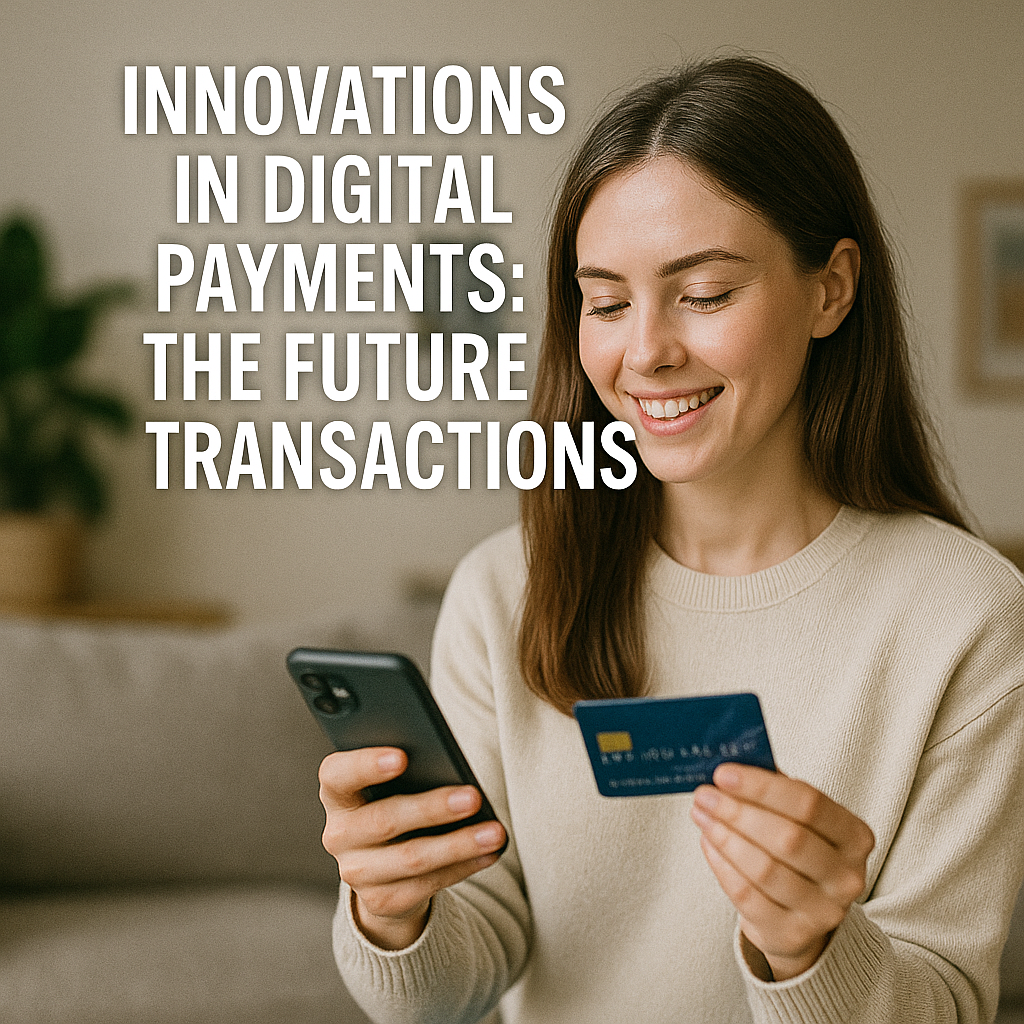
Redefining Payment Processes in the Digital Age
In today’s rapidly evolving global market, entrepreneurs and small business owners are streamlining operations and enhancing customer engagement through innovative digital payment solutions. With consumer expectations shifting, companies worldwide are investing in modern digital payment systems that not only simplify transactions but also transform client interactions, boost security, and stay ahead of emerging technological trends.
The demand for fast, transparent, and secure transactions is driving a payment revolution. New digital payment technologies offer unparalleled convenience for users and improved operational efficiencies for businesses. This dynamic shift challenges traditional payment methods and paves the way for systems designed to meet the demands of a complex global marketplace.
As innovation accelerates, businesses are turning to adaptable platforms that not only cater to current market needs but also prepare them for future challenges. In this competitive environment, leveraging secure blockchain-based digital transaction systems has become essential, providing a reliable foundation of trust and transparency.
The Role of Blockchain in Shaping Secure Transactions
Blockchain technology is gaining traction among financial institutions and small enterprises alike. Its decentralized architecture delivers an exceptional level of security, making it an ideal candidate for next-generation payment systems. Blockchain technology encrypts payment data, resists tampering, and provides immutable records, which is especially crucial for businesses handling sensitive financial information.
The benefits of blockchain extend well beyond cryptocurrency trading. By integrating blockchain into everyday payment processes, businesses can minimize fraud and chargebacks while speeding up transactions. Blockchain ensures every transaction is authenticated and recorded, creating a reliable audit trail that helps resolve disputes and reduce errors. For entrepreneurs seeking to build customer trust, adopting blockchain technology represents both a technological upgrade and a strategic investment in long-term credibility.
Many small businesses are incorporating blockchain into their digital transformation strategies. Along with this integration, features such as smart contracts and automated verification processes further streamline transactional operations. Insights from platforms like Forbes show that confidence in blockchain technology is growing across industries, reinforcing its role as a key driver of digital security.
Mobile Payment Technology Innovations for Modern Commerce
The future of transactions is also being shaped by the rapid evolution of mobile payment technology. Mobile payment platforms have democratized access to digital commerce, enabling businesses to connect with tech-savvy customers who expect smooth and intuitive payment experiences. Modern mobile payment apps now integrate financial management, data analytics, and customer relationship management, making them indispensable tools for businesses.
For many small business owners, mobile payment technology provides a competitive advantage by scaling operations without heavy infrastructure investments. Designed for flexibility and speed, these systems support multiple currencies, instantaneous settlements, and robust security protocols. This technology is particularly transformative for retailers, restaurants, and service providers who require swift, secure transactions to satisfy a mobile-first customer base.
Moreover, mobile payment innovations offer compelling value propositions for businesses. By adopting user-friendly and advanced systems, companies can attract a broader audience and strengthen their brand presence. Embracing a digital-first strategy, as detailed in business development tips, empowers entrepreneurs to effectively navigate the challenges of modern commerce.
Bridging the Gap Between Security and Convenience
Balancing robust security with ease of use is a primary challenge in the digital payments landscape. As businesses strive to protect their customers, technology must deliver seamless user experiences without sacrificing safety. Secure blockchain-based transaction systems excel in achieving this balance.
Blockchain technology not only secures digital transaction trails but also accelerates processing times compared to traditional banking systems. When a customer uses a mobile application to pay, the transaction is recorded and authenticated in real time, reducing delays and enhancing user satisfaction. Integrating these systems into existing payment infrastructures is becoming essential as companies prioritize both customer service and operational efficiency.
Beyond blockchain, businesses are adopting various encryption and tokenization methods to safeguard sensitive information at every transaction stage. These enhanced security measures help prevent unauthorized access and cyberattacks, which is critical as digital commerce continues to grow. Entrepreneurs who proactively implement these technologies often experience reduced fraud and increased customer trust.
In an increasingly competitive market, integrating secure digital systems is not a luxury—it’s a necessity. Business owners are urged to stay informed about emerging trends and to implement payment solutions that meet both operational needs and modern consumer expectations. This proactive approach will drive progress and profitability for years to come.
Adopting innovative digital payment solutions represents a complete reimagining of global commerce. By selecting systems that combine high security with user-friendly design, businesses can build a resilient operational foundation and maintain a competitive edge. This forward-thinking strategy opens new opportunities—from expanding market reach to delivering unique customer experiences.
Entrepreneurs recognize that transitioning to digital platforms comes with challenges, but the rewards far outweigh the risks. With advancements in secure blockchain-based transactions and mobile payment technology, the future of digital payments is brighter than ever. Companies that remain agile and forward-thinking can leverage these trends for significant growth.
Embracing these innovations also connects business owners with a wealth of resources. Industry leaders like makebusiness.eu offer valuable insights, expert advice, and practical tutorials on digital transformation strategies. This shared knowledge base not only supports better decision-making but also accelerates the adoption of cutting-edge payment solutions.
As digital transformation continues to reshape global commerce, staying informed and investing in advanced payment technologies is more critical than ever. The future of transactions will be defined by the synergy between technological advancements and evolving consumer expectations. By aligning with these progressive trends, business owners can transform challenges into opportunities and secure lasting success in an increasingly digital world.
- Modern digital payment solutions drive global commerce, enhancing efficiency and customer satisfaction.
- Blockchain technology ensures secure, transparent transactions for businesses of all sizes.
- Innovative mobile payment systems are reshaping customer engagements in modern commerce.
- Adopting these trends strengthens business foundations and boosts market competitiveness.


