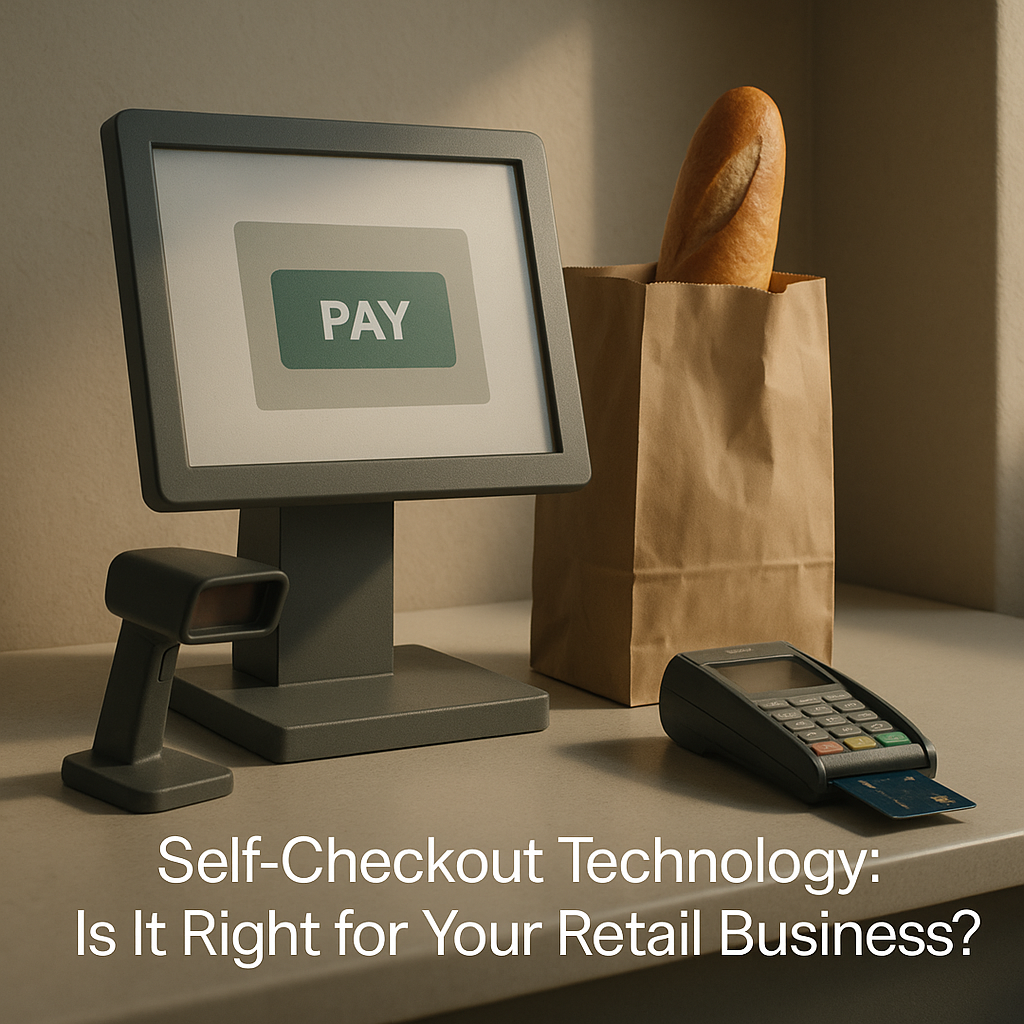
In today’s fast-paced retail world, entrepreneurs and small business owners are constantly seeking innovative ways to stay competitive. Self-checkout systems have emerged as a key solution, meeting the demand for faster, more efficient shopping experiences. By reducing wait times and freeing up staff for more personalized customer interactions, self-checkout technology offers a significant edge in modern retail.
This technology goes beyond simply diminishing queues—it creates a seamless, empowering shopping environment that benefits both customers and retailers. Whether you operate a boutique store or a multi-location chain, integrating self-checkout systems can lead to improved operational efficiency and enhanced customer satisfaction.
Enhancing the Customer Experience
Today’s consumers expect convenience and speed in every transaction. Self-checkout systems empower customers to bag items and complete payments quickly, minimizing wait times and increasing their sense of independence. This streamlined process is especially attractive during peak shopping hours, ensuring a smoother overall experience.
Key benefits include allowing customers to pace their own transactions and enjoy user-friendly interfaces that simplify payment processes. As self-checkout systems continue integrating with advanced payment technologies and loyalty programs, they not only facilitate quicker transactions but also foster long-term customer loyalty and repeat business.
Boosting Operational Efficiency
Retailers often grapple with balancing cost control while delivering excellent customer service. Self-checkout technology addresses this challenge by automating routine transactions. This shift allows your staff to focus on higher-value tasks such as customer service, inventory management, and visual merchandising, ultimately enriching the overall shopping experience.
Automation also minimizes human errors during transactions, ensuring pricing accuracy and reliable payment processing. Enhanced data management streamlines the monitoring of sales trends and inventory movements, enabling more informed decisions on product placements, stock adjustments, and promotional offers. By leveraging self-checkout technology, retailers can significantly maximize operational efficiency.
Transitioning from traditional registers to self-checkout systems involves an upfront investment and a learning curve for both staff and customers. However, well-planned training and customer support during the initial phase pave the way for long-term benefits, including increased throughput, reduced labor costs, and a more agile retail operation.
Planning and Implementing Self-Checkout Systems
Before adopting self-checkout technology, it is essential to develop a strategy that aligns with your store layout, operational needs, and customer expectations. Here are some critical steps to ensure a smooth transition:
Assess Your Store Layout and Traffic
Begin by evaluating your current store layout. Identify optimal locations for self-checkout stations to reduce congestion and enhance convenience. Focus on high-traffic areas where traditional checkouts typically cause bottlenecks, and plan for additional kiosks in these zones.
Integrate with Existing Systems
One major advantage of self-checkout systems is their seamless integration with existing point-of-sale and inventory management software. This connectivity simplifies account reconciliation and improves real-time sales monitoring. Retailers who synchronize their digital and physical operations enjoy greater agility and responsiveness to market trends.
Invest in Staff Training
Although self-checkout technology is designed for customer use, it is crucial to equip your team with the skills to handle technical issues and assist clients. Regular training sessions help staff confidently manage the self-checkout area and promptly resolve any challenges, ensuring that the customer experience remains uninterrupted.
Emphasize Customer Education
Not all customers are immediately comfortable with self-service. Introduce the technology gradually by having staff available to guide shoppers through the process. Utilize clear signage, on-screen step-by-step guides, and instructional videos to build customer confidence and ensure a smooth transition to self-checkout.
Measuring Success and Adjusting Strategies
After the installation of self-checkout terminals, it is vital to monitor their performance closely. Key performance metrics such as average transaction times, transactions per hour, customer feedback, and error rates provide valuable insights into how well the system is functioning.
Customer feedback through surveys or interactive touchpoints can offer additional perspectives on system performance. Analyzing this data helps pinpoint areas for improvement, whether it’s fine-tuning the software interface, repositioning terminals, or expanding the number of self-service stations.
Keeping up with technological advancements is also essential. Regular hardware and software updates, along with enhancements in security and payment systems, will keep your self-checkout technology current and reliable. A proactive maintenance approach builds customer trust and ensures that your investment continues to yield returns.
For additional insights into optimizing operational workflows and embracing new technologies, visit expert business platforms or follow industry leaders like Forbes and Entrepreneur. Staying informed on market trends will provide you with the strategic perspectives necessary to refine and grow your retail operations.
Self-checkout technology is more than a passing trend; it is a strategic asset that can help small retail businesses thrive in an era defined by efficiency, speed, and customer empowerment. By recognizing the benefits and planning a thoughtful implementation, retailers can transform challenges into a competitive advantage.
Though implementing self-checkout systems in physical stores is not a one-size-fits-all solution, a tailored strategy involving staff training and customer education will ensure a smooth transition. Businesses that invest in these systems will experience enhanced operational efficiency, higher customer satisfaction, and sustainable growth.
Adopting self-checkout technology allows you to better allocate resources, freeing up staff to offer personalized service and curate unique shopping experiences. Additionally, the data collected through self-checkout transactions supports informed decision-making, paving the way for strategic business improvements and long-term success.
The evolution of retail is constant, and small business owners must remain adaptable to stay competitive. While the initial setup may present challenges, the long-term gains—from streamlined operations to an elevated customer experience—make self-checkout technology a worthwhile investment for your retail business.
In summary, self-checkout technology offers a transformative opportunity for retail businesses looking to enhance efficiency, speed up transactions, and deliver a dynamic shopping experience. A well-managed integration—supported by strategic location planning, thorough staff training, and ongoing performance evaluation—can unlock significant benefits for your operation.
Investing time and resources in self-checkout systems today positions your business for a future of smarter operations and elevated customer satisfaction. With the right approach, self-checkout technology can redefine your retail landscape, offering unparalleled convenience and a robust competitive edge.
- Self-checkout technology enhances customer autonomy and speeds up transactions.
- Systematic staff training minimizes disruption during the implementation transition.
- Integration with existing systems improves data accuracy and strategic decision-making.
- Regular performance evaluations and updates are crucial for long-term success.