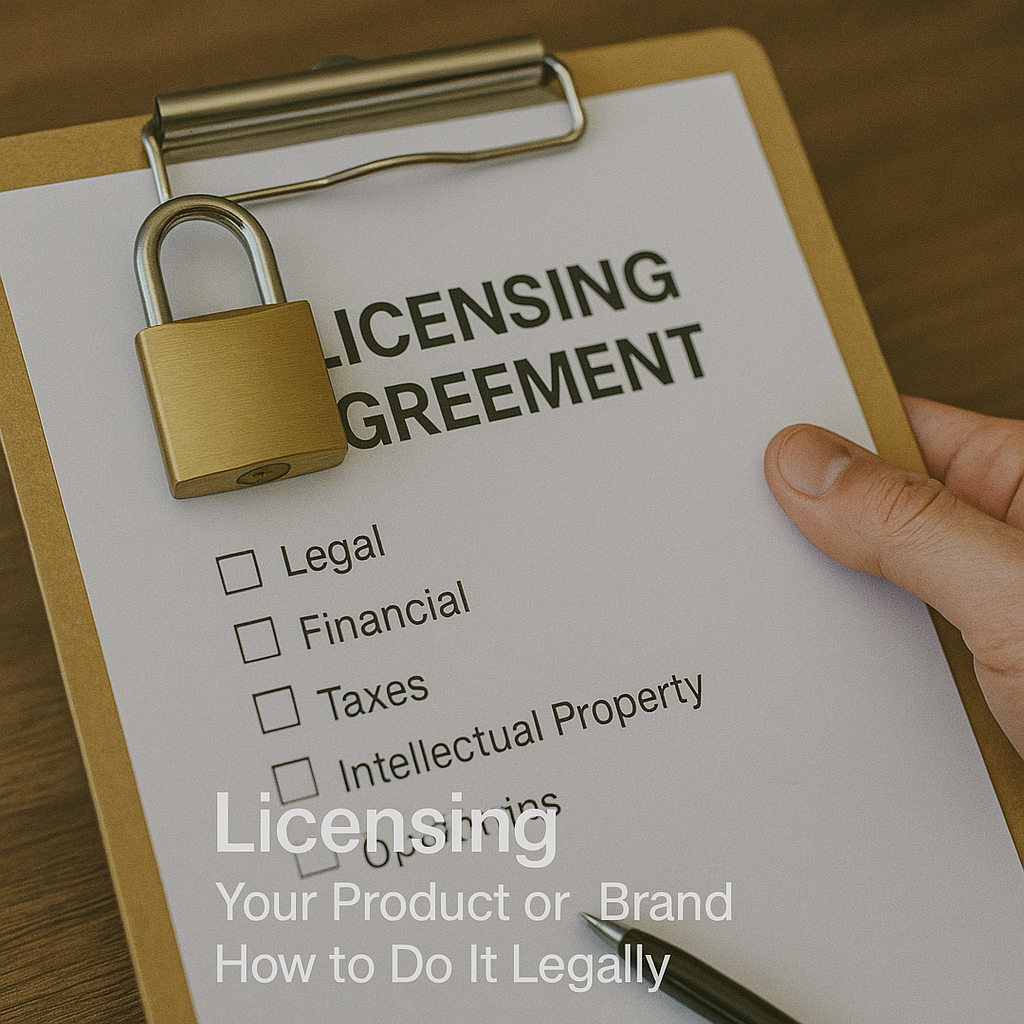
Licensing is a powerful strategy for entrepreneurs and small business owners looking to expand their market presence. Whether you own a product or a brand, understanding the legal framework of licensing is essential to protect your intellectual property and avoid potential pitfalls. This comprehensive legal guide to product licensing covers the fundamentals, presents a step-by-step approach to legal brand licensing, and explains how to overcome challenges in legal product licensing.
Understanding the Basics of Licensing
At its core, licensing is an agreement where the owner of a product or brand (the licensor) grants permission to another party (the licensee) to use, produce, or sell it under specified terms. These agreements often involve complex elements such as intellectual property rights, royalties, quality control, and performance expectations. While licensing can create new revenue streams and open new market opportunities, it is vital to address every legal detail.
Many entrepreneurs enter into licensing agreements without a full understanding of the legal responsibilities involved. A well-crafted licensing agreement protects your brand and product by ensuring that your intellectual property is used in alignment with your business goals. Using a comprehensive legal guide to product licensing can help you manage details like geographic limitations, contract duration, quality standards, and dispute resolution procedures.
Crafting a Licensing Strategy: Key Considerations
Before approaching potential licensees, develop a clear strategy. Understand your objectives, identify suitable partners, and create a detailed negotiation framework. A step-by-step guide for legal brand licensing can be an invaluable resource throughout this process.
Start by defining your goals. Do you aim to expand your product line, enter new markets, or generate additional revenue? Clear objectives help you identify partners whose vision aligns with yours. For instance, if your brand is synonymous with high-quality lifestyle products, partner with businesses that share your commitment to quality and innovation.
Conduct thorough market research to understand current licensing trends, analyze competitors’ agreements, and gather insights into best practices. Resources like the Forbes website offer valuable industry trends and case studies that can enhance your negotiations and contract terms.
Navigating the Legal Maze of Licensing
The legal side of licensing can be overwhelming, especially for small businesses. Licensing involves navigating laws and regulations related to intellectual property, contract, and even international trade law if you plan to license abroad. Understanding legal product licensing means being well-versed in these areas to protect your interests effectively.
Key elements addressed in licensing agreements include:
- Intellectual Property Rights: Clearly define the scope of what is being licensed.
- Financial Terms: Specify royalty rates, minimum guarantees, and payment schedules.
- Duration and Territory: Outline the timeframe and geographical boundaries of the agreement.
- Quality Control: Ensure that licensees meet your brand’s quality standards.
- Termination Clauses: Detail conditions under which the agreement may be ended.
While standard contract templates are available online, every business is unique. Consulting with a legal expert to customize your agreement is crucial. Platforms like Make Business’s legal resources offer valuable insights into creating licensing agreements that protect your interests and support sustainable growth.
Successful negotiations require transparency and a willingness to compromise. By demonstrating a robust legal framework, you build trust with licensees and lay the groundwork for long-term partnerships that benefit both parties.
Developing a Licensing Agreement That Works for Everyone
Detail is critical when drafting a licensing agreement. Cover all key areas, including intellectual property, financial terms, duration, and quality control, and include clear dispute resolution processes to prevent future conflicts.
The process usually involves these steps:
- Initial Assessment: Evaluate your product or brand’s market value and potential. Consider intellectual property valuation and competitive positioning.
- Partner Identification: Identify businesses or individuals who share your values. Conduct due diligence to ensure they can effectively represent your brand.
- Drafting the Agreement: Collaborate with legal experts to create a draft agreement. A comprehensive legal guide to product licensing will ensure every clause offers clarity and protection.
- Negotiation and Adjustment: Review and adjust the draft agreement with your prospective licensee. A step-by-step guide for legal brand licensing can help you determine which terms are negotiable and which are essential for safeguarding your interests.
- Finalization and Execution: Once both parties agree, finalize and sign the agreement. Ensure that all legal formalities, such as notarization or registration, are completed as required by local laws.
Ongoing communication with your licensee is key to addressing any deviations from agreed terms and maintaining alignment over time. Regularly reviewing and updating the agreement in response to market changes and new legal precedents helps ensure your licensing framework remains effective and enforceable.
For international licensing, be mindful of the varied legal requirements across jurisdictions. Engaging international legal counsel can ensure that your agreements are solid and compliant across borders.
Embracing Licensing as a Growth Strategy
Licensing is more than an additional revenue stream—it’s a strategic approach to business growth. By leveraging your product or brand’s strengths, you can form partnerships that bring market expertise, innovation, and valuable resources to your business.
Navigating legal product licensing may seem daunting initially, but with the right guidance the process becomes manageable. Licensing agreements bridge the gap between innovation and opportunity, turning smart ideas into successful business models when executed with precision.
For further insights, resources like Make Business offer practical advice and tools tailored to startups, helping you confidently implement your licensing strategy.
A strong legal foundation in your licensing deals enhances market credibility and establishes high industry standards. A well-structured agreement signals commitment to transparency and integrity, attracting potential partners and broadening your business network. As your reputation grows, additional opportunities, from increased media exposure to strategic partnerships, will likely follow.
Success in licensing hinges on thorough preparation, continuous learning, and adaptability. Invest the necessary time and resources to master the legal aspects of licensing—it’s an investment that promises significant dividends in growth and stability.
Embracing licensing transforms how you distribute, market, and innovate. A well-executed licensing strategy not only increases revenue but also expands your market presence and enhances brand recognition, setting your business on a path to lasting success.
- Utilize licensing as a strategic tool backed by a strong legal framework.
- Develop a clear strategy and conduct thorough due diligence before entering licensing agreements.
- Create, review, and update agreements regularly using a comprehensive legal guide to product licensing.
- Maintain open communication with licensees and stay adaptable to legal and market changes for long-term success.


