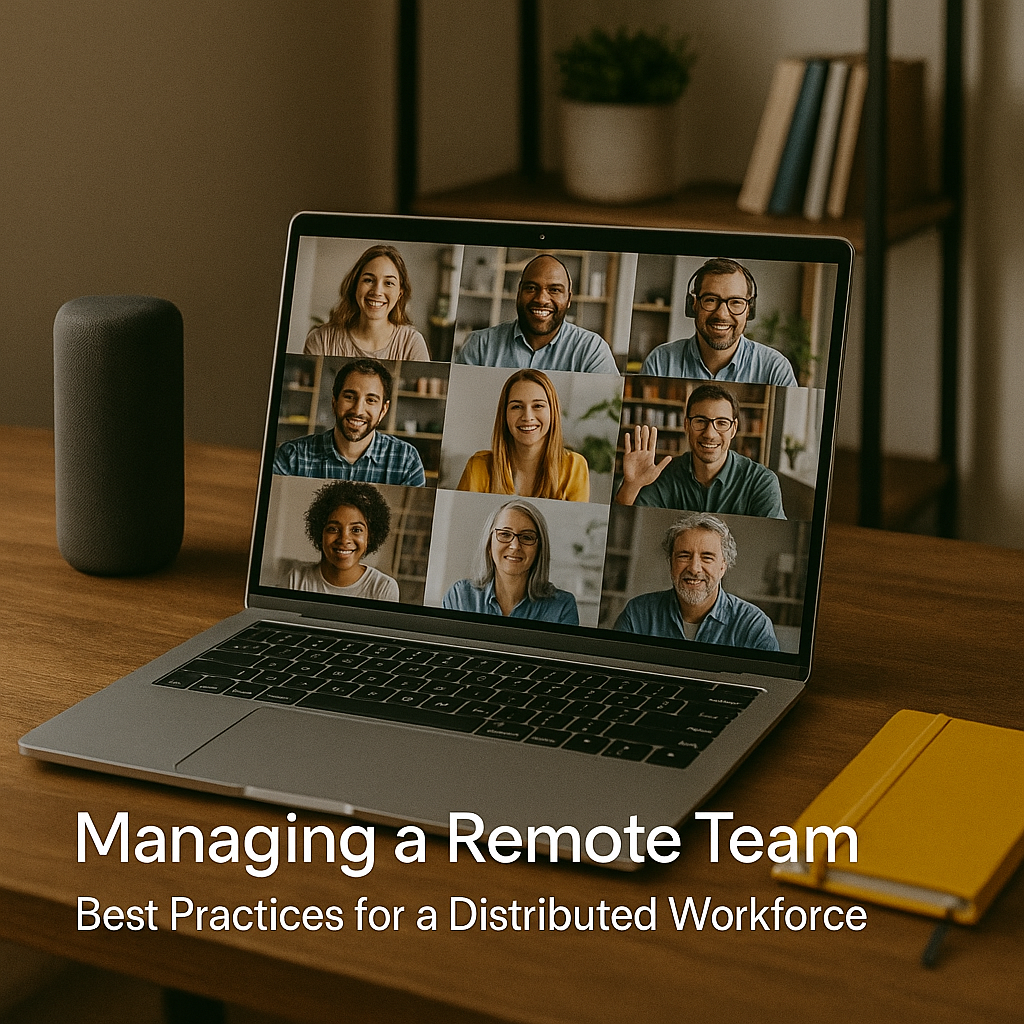
The modern workspace is constantly evolving, and today’s entrepreneurs and small business owners are increasingly relying on remote teams to fuel growth and innovation. Successfully managing a distributed workforce requires a strategic mix of advanced technology, effective communication, and mutual trust. In this article, we explore proven remote team management strategies that keep your team connected, motivated, and productive, no matter where they are in the world.
Establishing Clear Communication Channels
Effective communication is the cornerstone of a thriving remote team. Without in-person interactions, it is essential to establish multiple channels that support both formal and casual dialogue. Regular video meetings, instant messaging, and project management tools ensure that your team stays informed, addresses challenges quickly, and remains aligned with business goals. When your team feels heard, they are more likely to engage and contribute to your company’s success.
To streamline communication, consider using a unified platform to consolidate all discussions, updates, and feedback. This approach minimizes misunderstandings and keeps everyone focused on overarching business objectives. Integrating tools such as Slack, Microsoft Teams, or Zoom can be transformative for distributed teams looking to enhance remote team management practices.
Fostering a Collaborative Culture
Building a collaborative culture is key to remote team success. Create an environment where team members feel empowered to share ideas, voice concerns, and support each other. Regular check-ins—both for work discussions and personal achievements—help foster a sense of community and often spark innovative solutions to everyday challenges.
Enhance collaboration further by setting up internal platforms or discussion boards for sharing insights and industry news. For example, you might explore entrepreneurial resources and strategies that align with your team’s goals. When employees understand that their input matters, it boosts morale and drives overall productivity.
Optimizing Productivity with Flexible Tools and Practices
Maximizing remote team productivity involves selecting the right digital tools combined with adaptable work practices. Trusting your workforce while setting clear expectations is essential. Establish deadlines and use project management software to monitor progress, striking a balance between the freedom of remote work and the structure required to achieve business goals.
In addition to robust digital tools, adopt flexible schedules that accommodate various time zones and personal commitments. If your team is spread across continents, flexible working hours are crucial to ensure each member can perform at their best. This approach, one of the many effective remote team management strategies, helps maintain balance without sacrificing performance. As highlighted in a recent article on Entrepreneur, flexibility not only enhances job satisfaction but also increases productivity.
Empowering Leadership from a Distance
Effective remote leadership goes beyond managing tasks—it involves recognizing individual strengths, providing personalized feedback, and setting a strong example of accountability. Regular one-on-one sessions allow leaders to understand each team member’s challenges and career goals, paving the way for professional development and tailored support.
Delegating responsibilities and trusting your team fosters a sense of ownership and reshapes perceptions of remote work. Combining empathy with clear performance metrics ensures that every team member understands their role without the pitfalls of micromanagement. This balanced approach to leadership and productivity drives innovation and enhances overall team performance.
In today’s competitive business environment, implementing these best practices for managing a distributed workforce can set you apart. By bridging physical gaps and embracing the diversity and innovation inherent in remote work, your business is poised for lasting success.
- Utilize multiple communication channels to keep your remote team connected.
- Create a collaborative culture through regular check-ins and shared platforms.
- Adopt flexible digital tools and practices that boost productivity across time zones.
- Empower your team with personalized leadership and clear accountability.