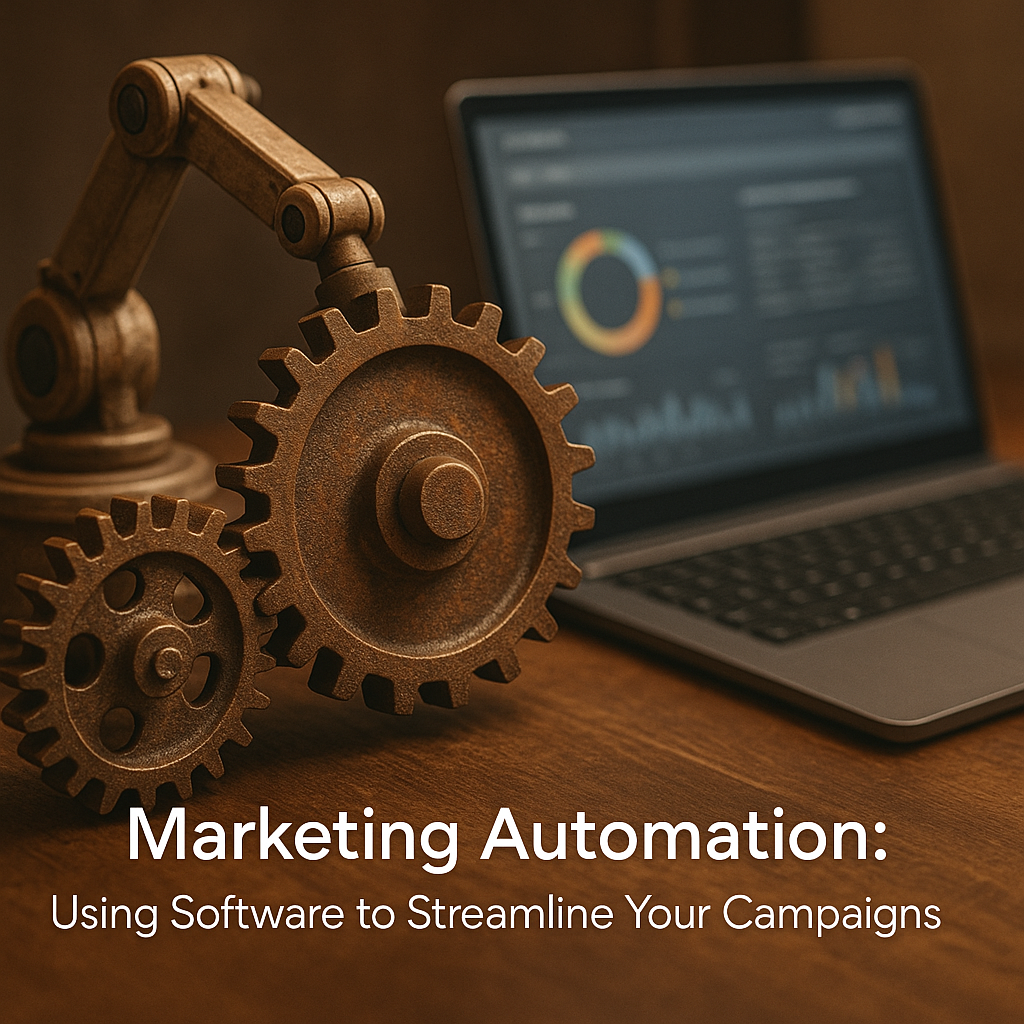
In today’s fast-paced digital world, small business owners and entrepreneurs are realizing that traditional, manual marketing holds them back. With technology now offering smarter solutions, marketing automation software enables you to streamline your campaigns and focus on what matters most: growing your business. Harnessing state-of-the-art tools, many businesses now enjoy automated campaign management that generates valuable data, personalizes communication, and keeps pace with modern customer expectations.
Understanding the Essentials of Marketing Automation
Marketing automation simplifies customer engagement by automating repetitive tasks like email marketing, social media posting, and lead nurturing. Rather than manually updating each campaign, you can rely on sophisticated software tools to free up time for impactful business strategies.
This innovative approach increases efficiency while improving accuracy and consistency. For example, data-driven insights allow every message and touchpoint to be tailored to your audience, creating a seamless and engaging customer journey.
Businesses that adopt these tools report improved customer retention and higher conversion rates. With automated processes, you can analyze trends, refine strategies, and boost sales—even as cutting-edge marketing technology evolves to empower companies of all sizes.
Benefits of Automated Campaign Management Software
Marketing automation offers significant time savings and operational consistency. By automating routine tasks, entrepreneurs can concentrate on strategic initiatives and customer engagement. Key benefits include:
- Time Savings: Automation eliminates repetitive tasks like sending newsletters or following up on inquiries, allowing you to focus on growth-driving activities.
- Consistency: Ensure a uniform brand voice across email, social media, and content marketing channels, making your messaging both reliable and impactful.
- Data-Driven Insights: Real-time analytics empower you to adjust strategies quickly, making every campaign decision rooted in concrete data.
- Enhanced Customer Engagement: Personalized communications foster deeper connections, resulting in stronger customer loyalty and increased engagement.
Industry leaders like Forbes highlight that businesses using automation see faster response times and higher customer satisfaction—a clear indicator that the future of marketing is both flexible and customer-centric.
How to Choose the Right Marketing Automation Solutions
With countless options available, selecting the best marketing automation software might seem overwhelming. However, focusing on your business needs and essential features can simplify the decision process. Consider these factors:
Identify Your Needs
Start by pinpointing the challenges you want to address—whether it’s boosting lead generation, nurturing existing leads, or saving time on daily tasks. Clear goals help you choose a tool that fits your growth objectives and scalability, setting a strong foundation for future expansion.
Evaluate Ease of Use and Integration
Look for platforms with intuitive interfaces and comprehensive documentation. Ease of use ensures a smooth onboarding process, while seamless integration with your CRM, e-commerce platform, or content management system enables a unified view of your operations.
Cost Considerations and Scalability
For small businesses, affordability without sacrificing quality is key. Evaluate both immediate benefits and long-term value. Scalable solutions not only reduce the need for extra hires but also minimize costly errors, making them a smart investment as your company grows.
Implementing Automated Marketing Practices
After selecting the perfect marketing automation software, integrating it into your operations is the next step. A systematic approach will simplify implementation. Consider these steps:
1. Map Out Your Customer Journey: Identify critical touchpoints where automation can enhance the experience. Decide if you need welcome emails, follow-up reminders, or automated retargeting campaigns based on customer behavior.
2. Define Objectives and Metrics: Set clear goals—whether increasing open rates, click-throughs, or overall sales—to help you monitor success and optimize your campaigns.
3. Train Your Team: Familiarize your staff with the new software by exploring dashboards, understanding data reports, and setting up basic tasks. This hands-on experience will pave the way for continuous campaign improvement.
4. Invest in Testing and Feedback: Begin with a pilot campaign, monitor performance closely, gather feedback, and adjust accordingly. Continuous tuning ensures your marketing automation remains effective and relevant.
For additional digital marketing strategies, explore resources on Make Business Europe and discover insights tailored to growing enterprises.
While automation simplifies processes, maintaining the human touch is essential. Authenticity and genuine customer connections are vital—combine advanced technology with your brand’s unique voice for a balanced marketing approach.
Real-World Success Stories and Strategic Advantages
Countless companies have transformed their operations through marketing automation. Small retailers, for example, have dramatically increased the effectiveness of email marketing, while service-based businesses benefit from enhanced lead qualification and customer nurturing.
One online boutique successfully integrated automated workflows triggered by customer actions, such as product page visits and cart abandonments. This personalized approach led to increased engagement, higher conversion rates, and boosted revenue in a short timeframe.
Similarly, a local service provider used automated campaign management to streamline follow-ups and service reminders. Personalized interactions built stronger customer trust and satisfaction, elevating the provider’s reputation and generating more referrals.
These examples highlight that automation doesn’t replace human creativity—it enhances it. By automating routine tasks, you and your team can focus on high-value, strategic activities that drive real business results.
Embracing marketing automation signals your commitment to evolving with a dynamic business climate. It’s more than just a digital tool—it’s your partner for sustainable growth and success.
- Automated strategies save time and free up resources for strategic initiatives.
- Integrated marketing automation enhances consistency and personalized customer interactions.
- Evaluating ease of use, integration, and scalability helps you choose the right software.
- Real-world examples underscore the benefits of combining technology with human creativity.