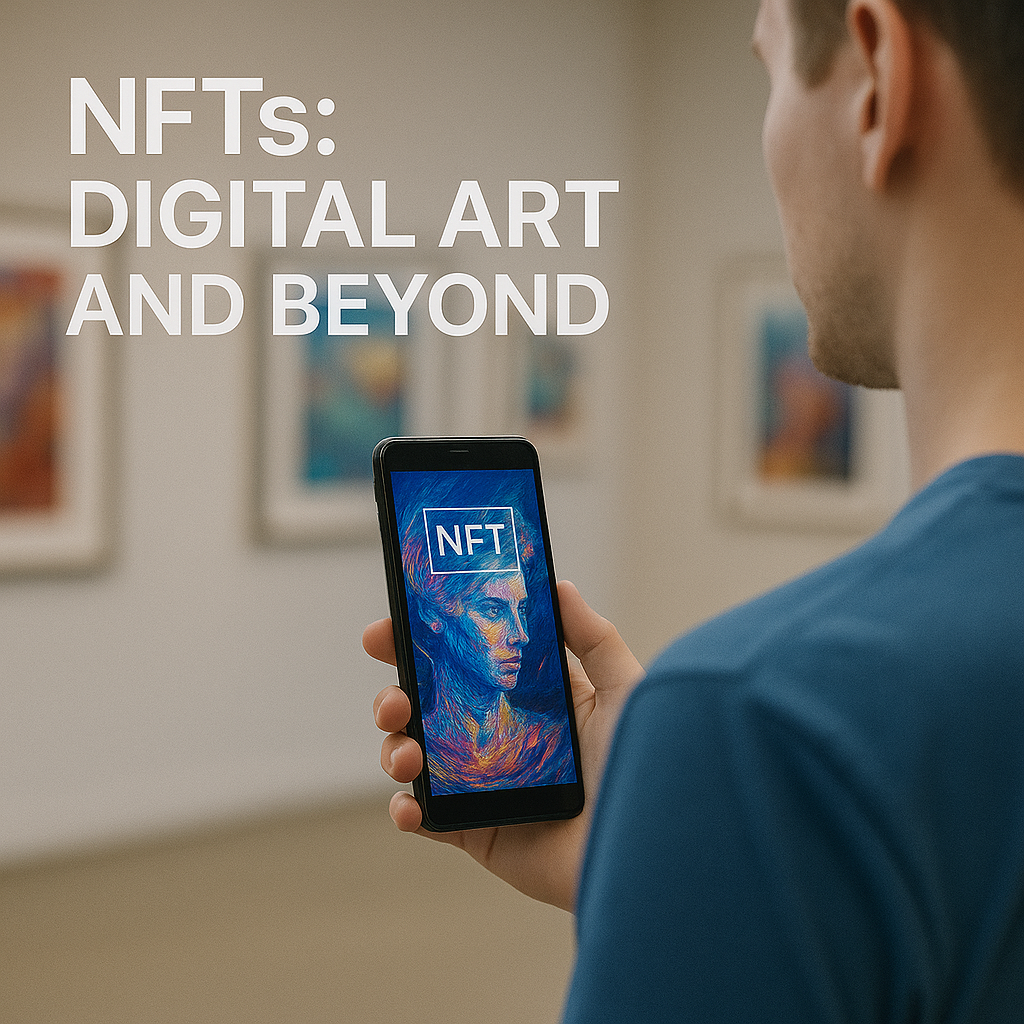
As the digital landscape evolves, non-fungible tokens (NFTs) are capturing attention far beyond the art scene. Today’s entrepreneurs and small business owners are exploring NFTs as powerful tools for brand building, customer engagement, and project funding. This shift is not only transforming how digital art is traded but is also inspiring new business models that leverage blockchain technology.
Understanding the NFT Phenomenon
NFTs are unique digital assets verified on the blockchain, setting them apart from fungible cryptocurrencies. Every NFT is one-of-a-kind, turning digital art into verifiable collectibles. But NFTs also serve to confirm digital ownership, authenticate creative work, and build exclusive communities around content.
For business owners, NFTs open new avenues for customer engagement. Imagine launching a limited-edition NFT series that tells your brand’s story—an invitation for customers to join an exclusive community rather than a simple art sale. As blockchain technology matures, entrepreneurs are uncovering innovative ways to merge creativity with commerce, directly connecting with a growing digital audience.
While some critics highlight the volatility of the digital art market, NFTs are evolving into utility-driven assets. New platforms and communities focus on creativity, social engagement, and technological innovation, paving the way for a more inclusive digital asset economy.
NFTs: Beyond Digital Art
Although NFTs first gained popularity in digital art, their potential reaches far beyond this space. NFTs now represent music, virtual real estate, event tickets, and membership privileges, creating exciting opportunities for small businesses eager to adopt cutting-edge technology.
One significant trend is incorporating NFTs into brand loyalty programs. Businesses can issue unique digital tokens that offer product discounts, early access to new releases, or exclusive event entry. This approach deepens customer interaction and adds real value to digital engagements, strengthening brand loyalty while promoting innovation.
The blockchain’s transparency ensures secure, verifiable transactions, as explained in How Blockchain Is Revolutionizing Small Business Transactions—an attractive feature for sectors such as high-end fashion, collectibles, and gourmet food. Entrepreneurs can leverage this trust to bridge the digital and physical worlds, enhancing both transparency and credibility.
Renowned sources like Forbes have documented NFTs’ expansion beyond traditional art markets. This gradual evolution is the result of ongoing technological advancements and increasing consumer confidence in blockchain solutions.
Opportunities and Challenges for Entrepreneurs
The rising interest in NFTs brings both promising opportunities and significant challenges. Innovative entrepreneurs can integrate NFT technology into existing business models, not only as a digital marketing tool but also as a source of new revenue through secondary sales and licensing deals. By turning digital content into collectible assets, businesses can generate recurring income while maintaining direct customer relationships.
Consider a scenario where a local artisan brand collaborates with a digital designer to launch NFTs tied to their signature products. Each NFT could serve as a loyalty reward and a certificate of authenticity for limited-edition goods, reinforcing brand identity and fostering customer loyalty through a modern, tech-forward strategy.
However, technical complexities such as blockchain integration can pose challenges for small businesses. The steep learning curve associated with cryptocurrency and blockchain technology is being alleviated by educational resources, expert consultants, and user-friendly platforms that simplify NFT creation.
Environmental concerns over blockchain energy consumption also remain a factor. Entrepreneurs should consider sustainable practices and explore energy-efficient blockchain networks as they incorporate NFTs into their business models.
Additionally, staying informed about local and international regulatory frameworks is essential. As digital asset laws continue to evolve, businesses may need legal guidance to ensure compliance while exploring NFT opportunities.
Integrating NFT Strategies into Your Business Model
For entrepreneurs and small business owners, the journey into NFTs begins with aligning these digital assets with your core objectives. NFTs should not be seen merely as artistic additions, but as tools to create personalized customer experiences. Offering exclusive benefits to NFT holders, such as behind-the-scenes content, limited-edition merchandise, or special membership perks, can elevate your brand’s narrative.
Reflect on what makes your brand unique and how you can transform that into a collectible digital experience. Before diving in, it’s important to validate your business idea to ensure alignment with your business goals.
Collaboration is key. Partner with artists, influencers, or industry peers to launch joint NFT projects that expand your reach and infuse creative energy into your campaigns. This collaborative approach not only attracts new audiences but also strengthens relationships with existing customers.
Beyond immediate sales, NFTs offer long-term engagement opportunities. By integrating NFTs into your business strategy, you can attract investment, foster deeper customer loyalty, and open up new digital ventures. Celebrating milestones with commemorative tokens can boost both internal morale and external brand perception, encouraging community-driven promotion.
- NFTs offer one-of-a-kind digital assets that enable innovative customer engagement strategies.
- Entrepreneurs leverage blockchain technology to create exclusive loyalty programs and new revenue streams.
- While technical and regulatory challenges exist, evolving educational resources and sustainable practices simplify adoption.
- A well-crafted NFT strategy enhances customer interactions and boosts brand credibility in the digital era.