
Latest News
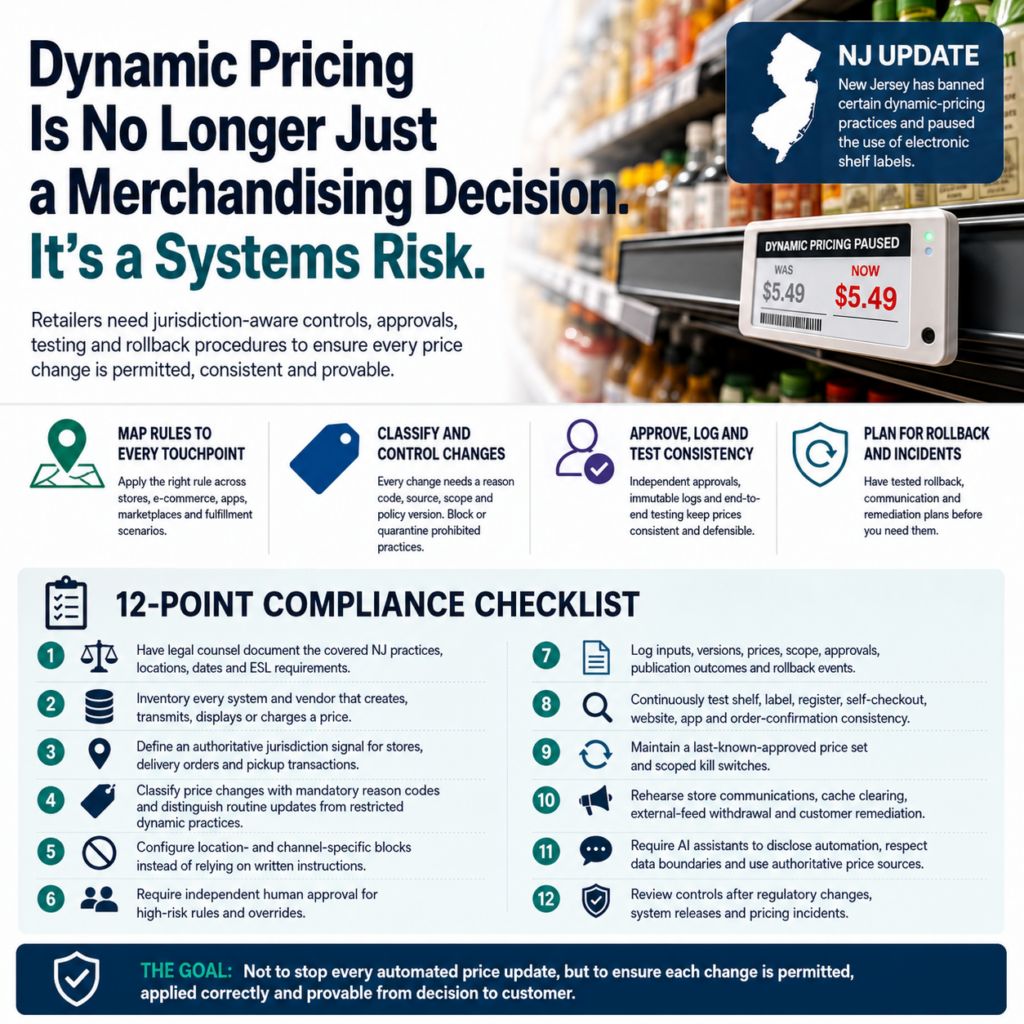
Dynamic-pricing regulation is now a retail systems risk
Dynamic pricing is no longer only a merchandising decision. For retailers operating automated pricing across stores, websites and apps, it is becoming a systems-governance issue: a pricing rule can be commercially sound yet impermissible in a particular location, channel or context. New Jersey’s action banning certain dynamic-pricing practices and pausing the use of electronic shelf […]
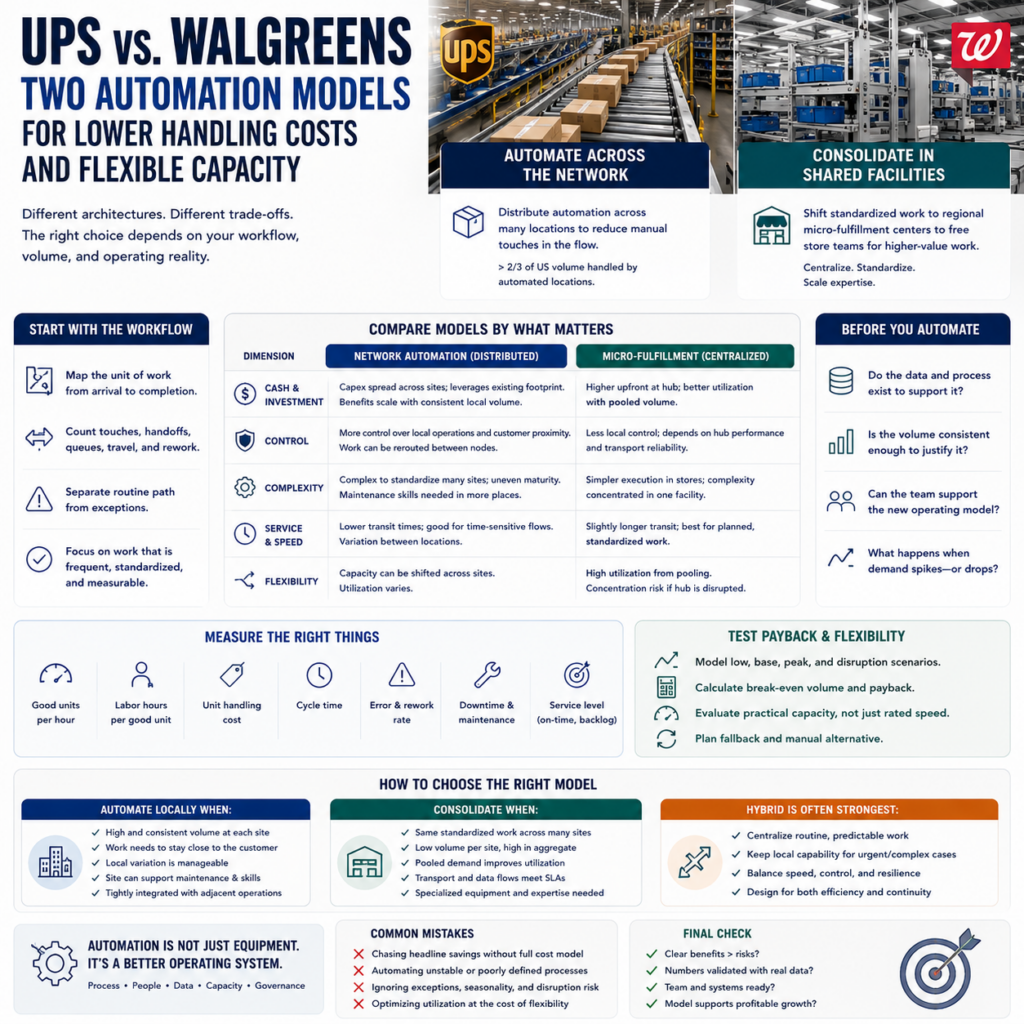
UPS vs. Walgreens: Two Automation Models for Lower Handling Costs and Flexible Capacity
High-volume automation is not one strategy. UPS and Walgreens illustrate two distinct architectures: automate work across an existing operating network, or consolidate repetitive work in a shared facility. Both can reduce manual handling, but they create different dependencies, cost structures and options during demand swings. UPS has expanded automated package handling across its US network, […]
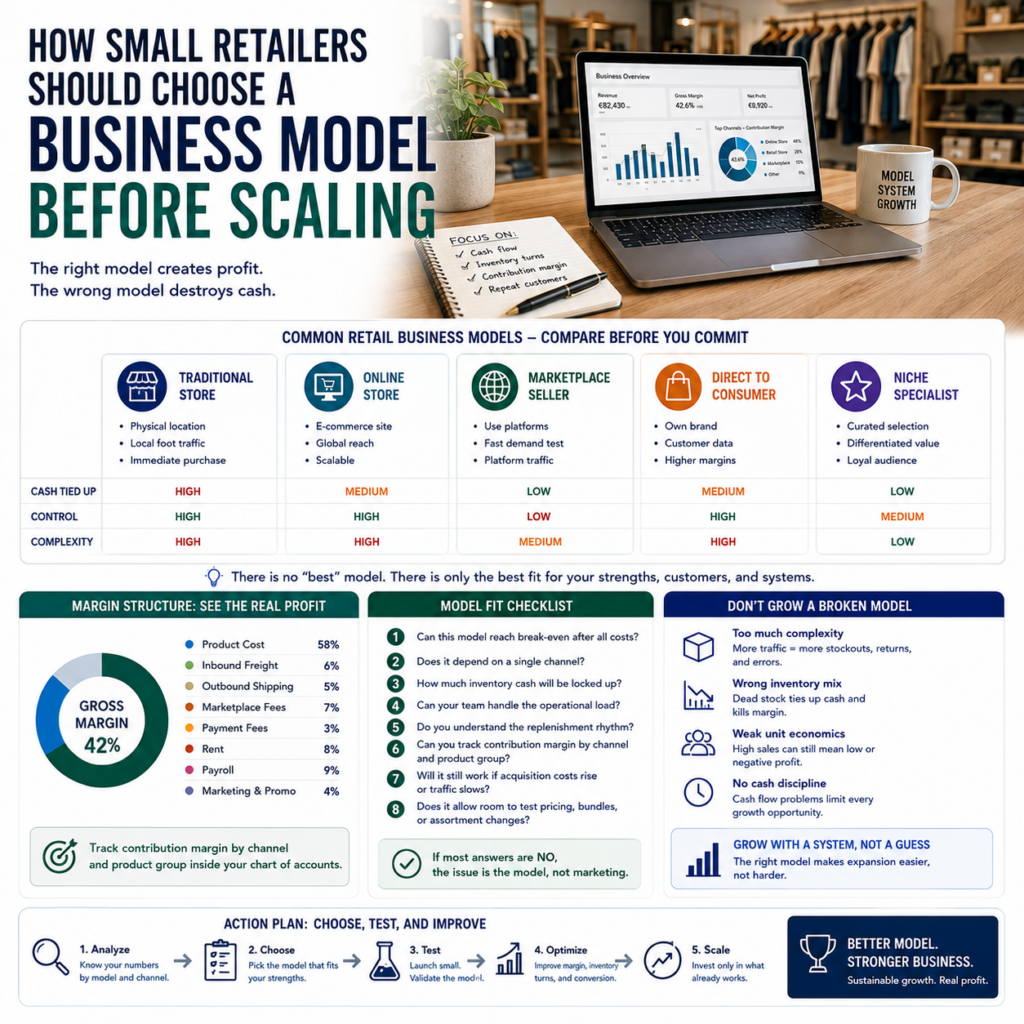
How Small Retailers Should Choose a Business Model Before Scaling
Retail growth is often framed as a marketing problem, but the real constraint is usually the business model. A store that sells the wrong mix of products, carries the wrong amount of inventory, or depends on the wrong sales channel can look busy while quietly leaking cash. The decision is not whether to grow, but […]
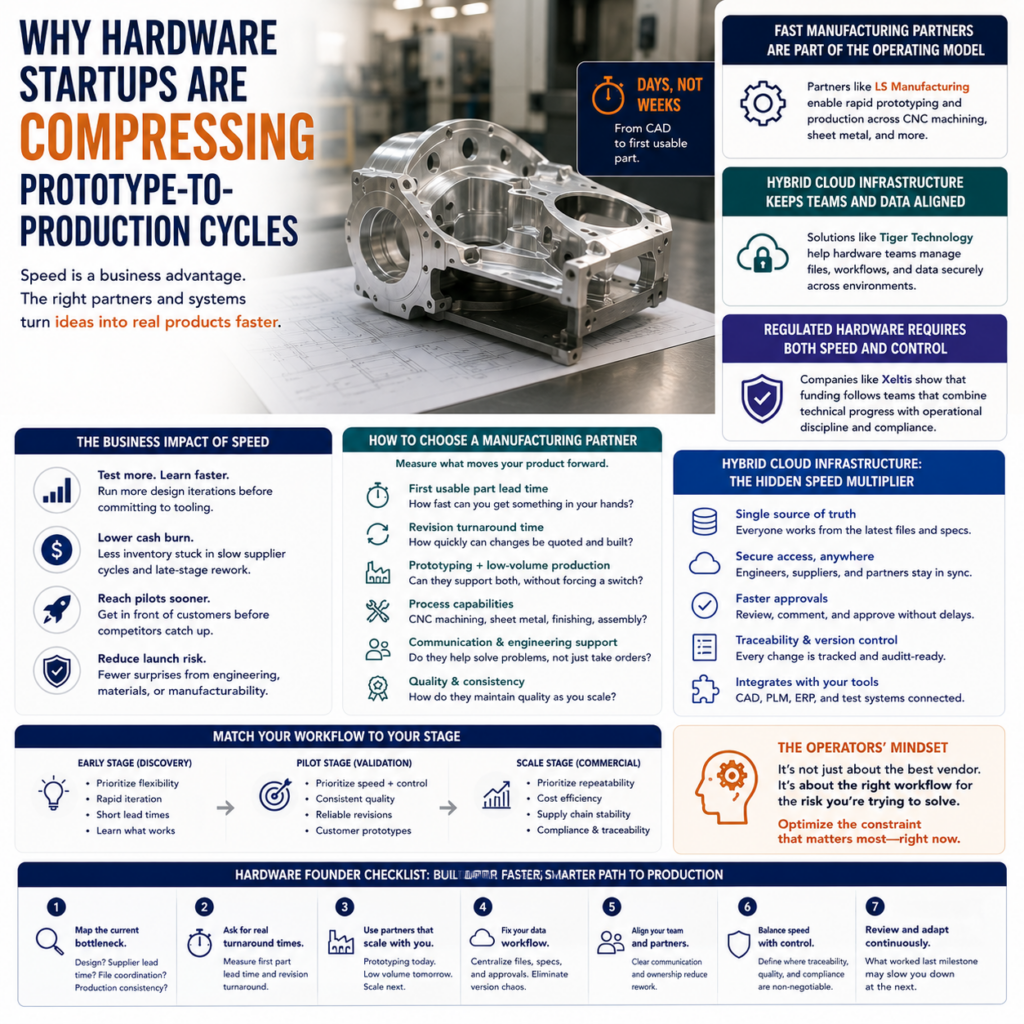
Why hardware startups are compressing prototype-to-production cycles
For hardware founders, speed is no longer just a product question. It now shapes how much cash gets tied up in inventory, how much engineering time gets wasted on rework, and whether a startup can reach credible pilot customers before a competitor copies the idea. The most useful signal in the recent startup coverage is […]
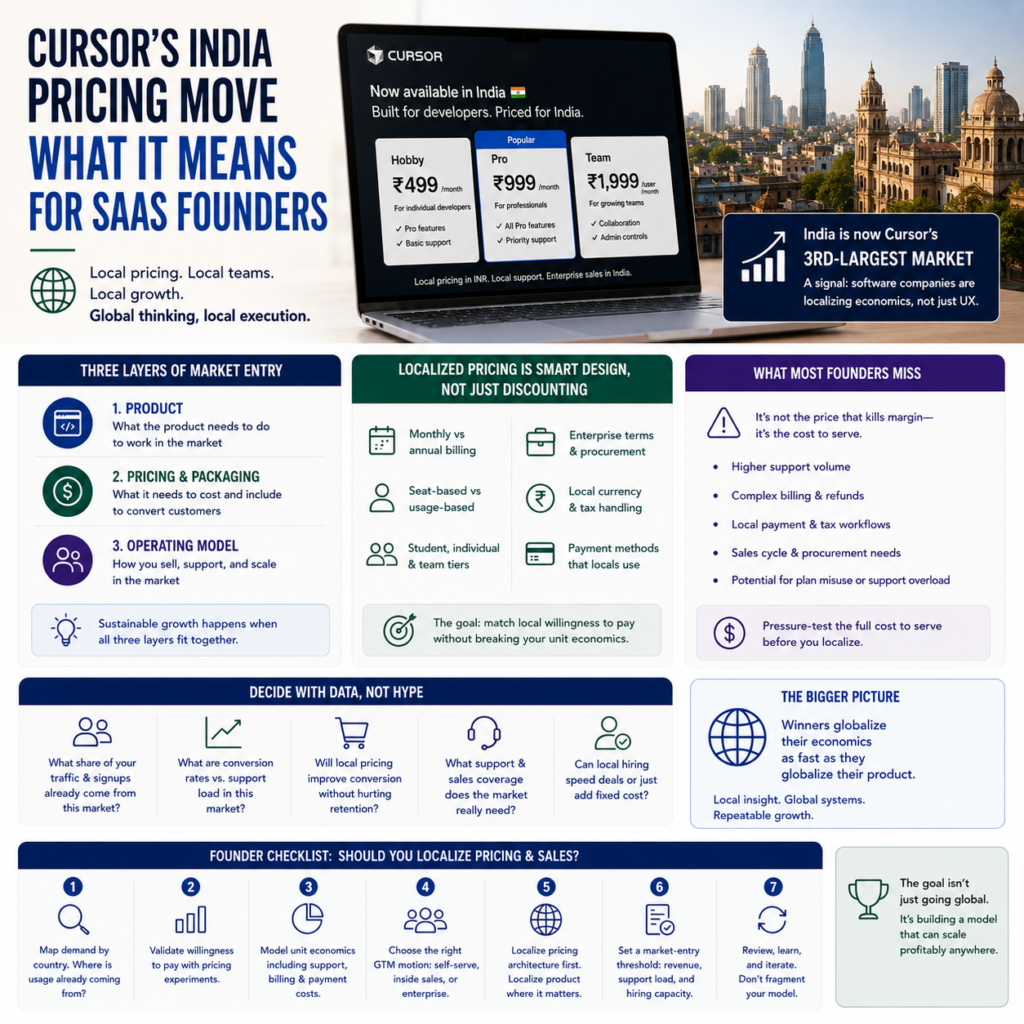
What Cursor’s India pricing move means for SaaS founders
Cursor’s expansion in India is more than a regional pricing tweak. It is a signal that software companies are treating local purchasing power, support expectations, and enterprise sales motion as product decisions, not just marketing decisions. For founders, the interesting question is not whether India is a big market. It is how quickly your pricing, […]
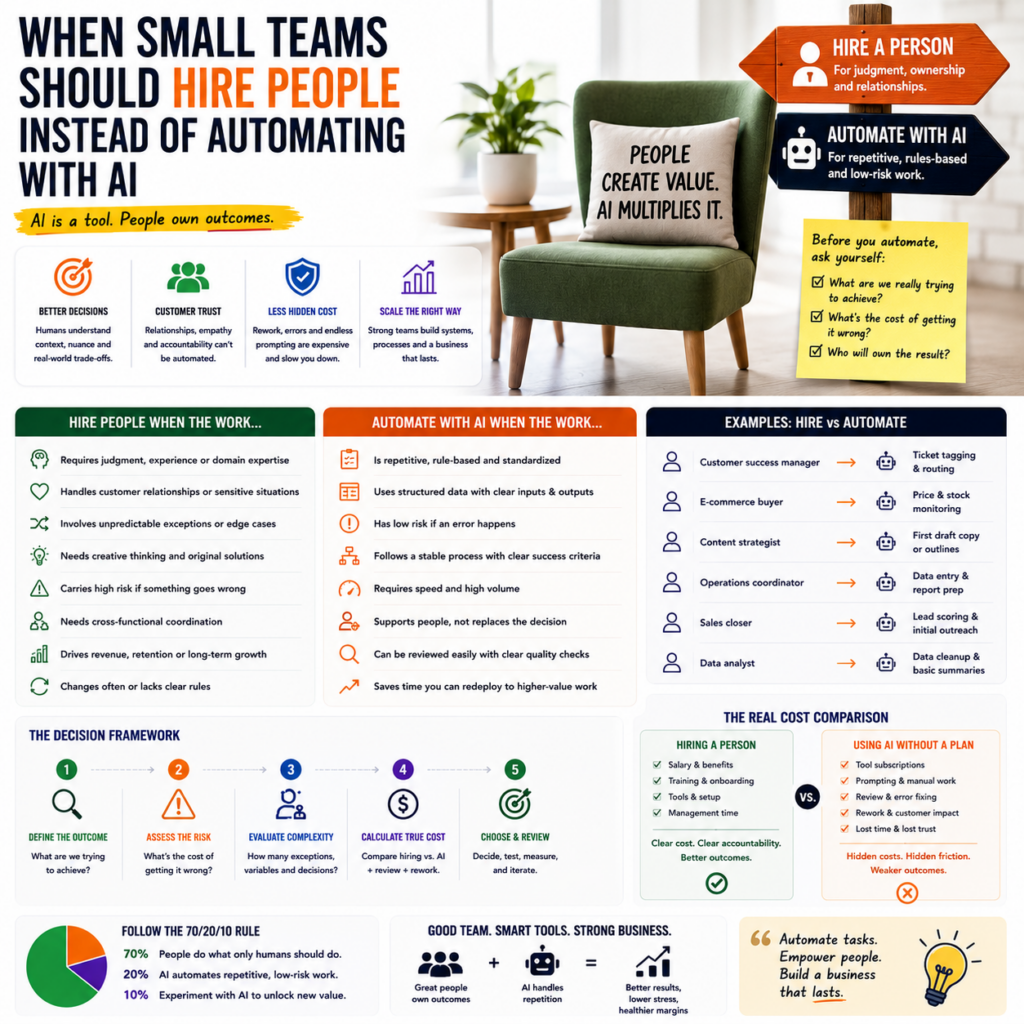
When Small Teams Should Hire People Instead of Automating With AI
Impulse Space raising $500 million with a stated focus on hiring people, not replacing them with AI, is a useful reminder for much smaller companies: […] ...
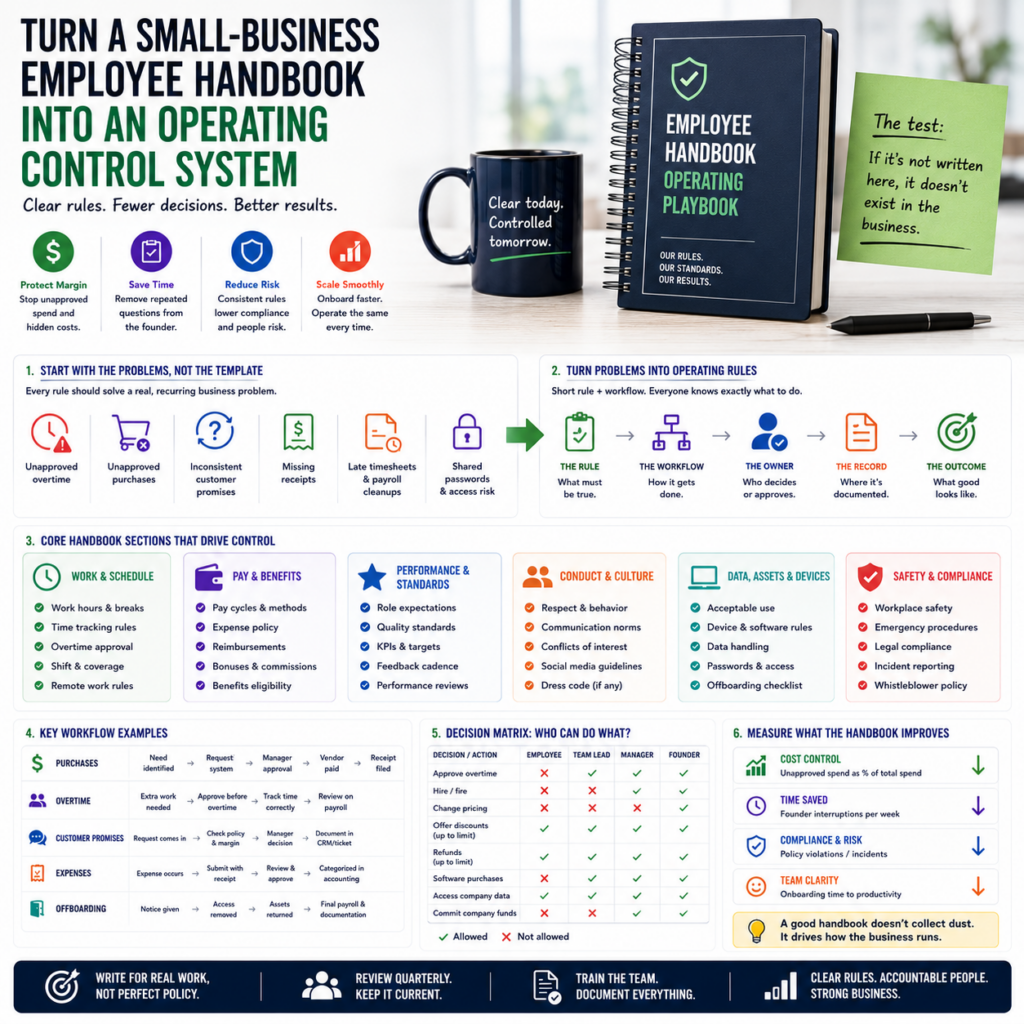
Turn a Small-Business Employee Handbook Into an Operating Control System
A small-business employee handbook is usually treated as an HR document. That is why many of them sit unread after onboarding. For a small team […] ...
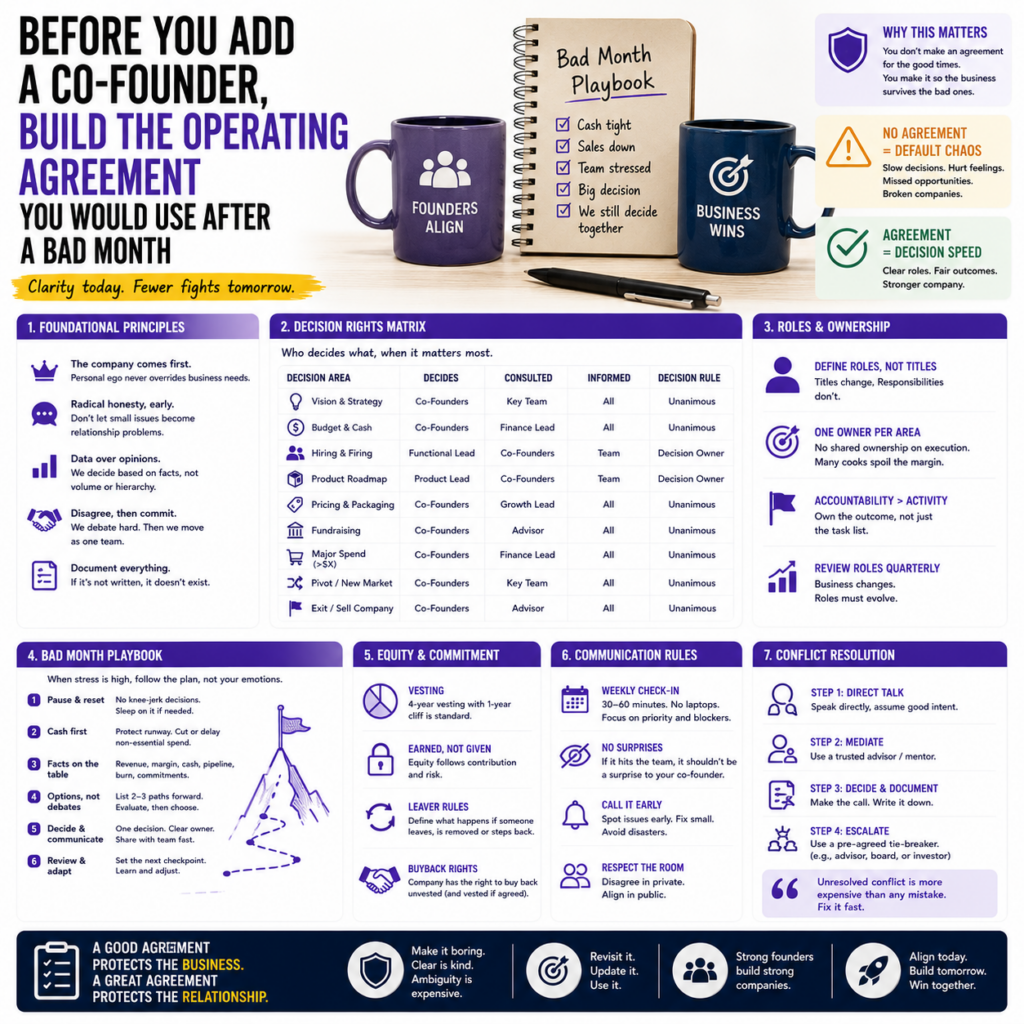
Before You Add a Co-Founder, Build the Operating Agreement You Would Use After a Bad Month
Choosing a co-founder is not a networking decision. For a small founder-led business, it is an operating system decision: who can commit money, who can […] ...
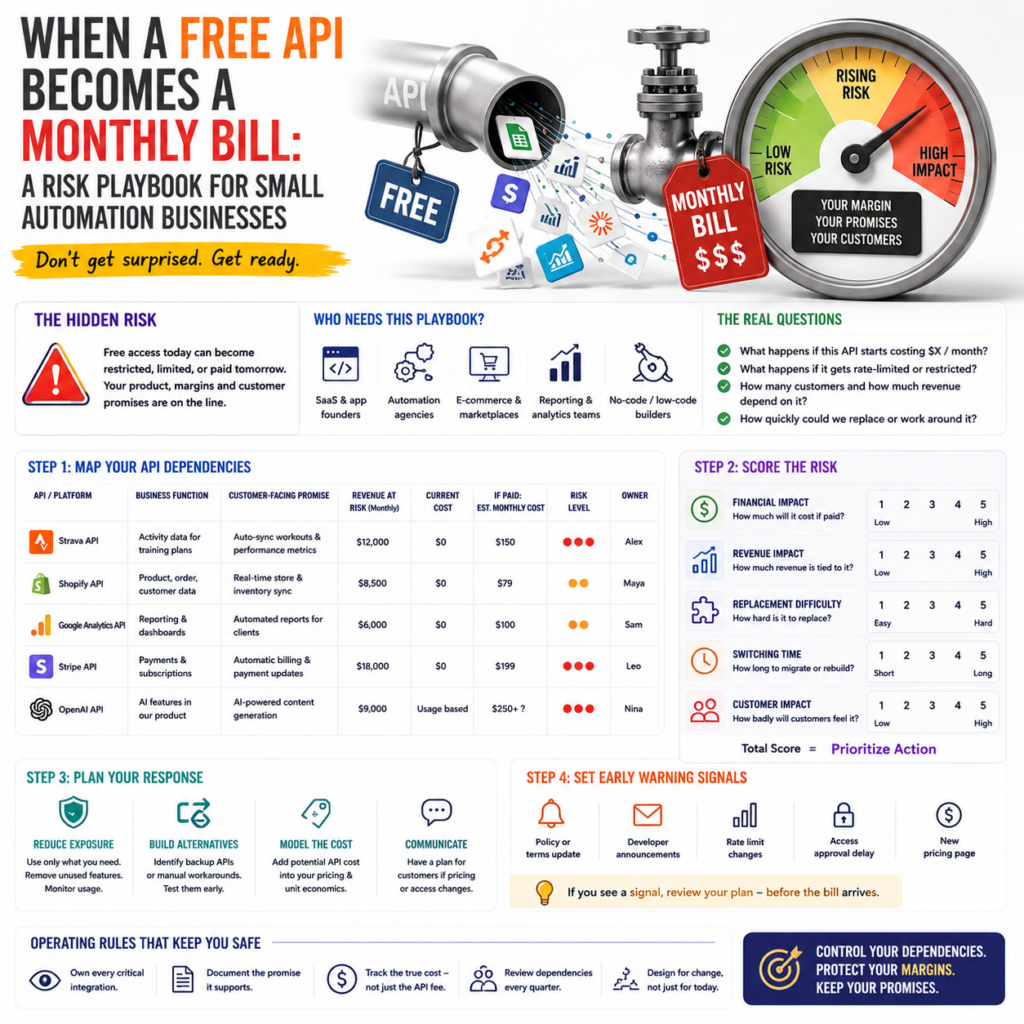
When a Free API Becomes a Monthly Bill: A Risk Playbook for Small Automation Businesses
Strava's move to charge developers a flat monthly fee for API access is not just a fitness-app story. It is a useful warning for small […] ...