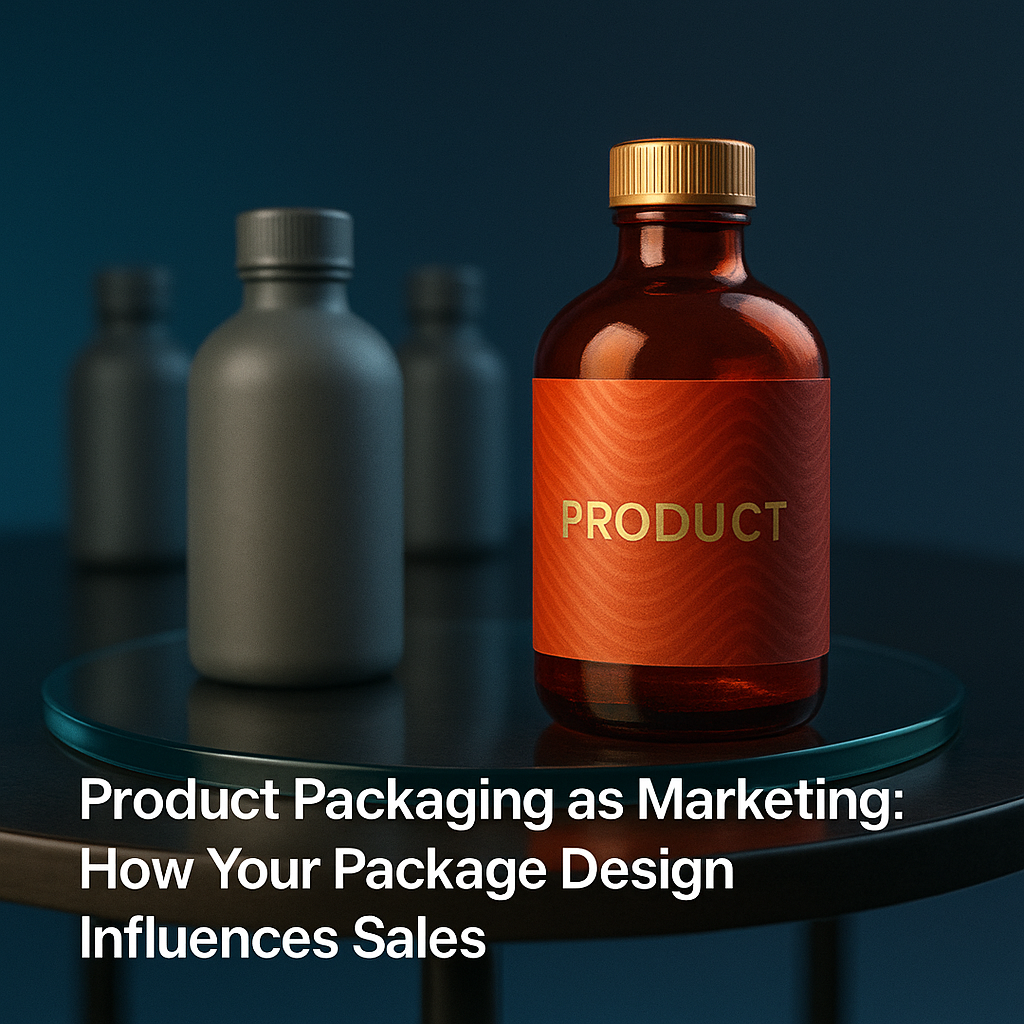
Innovative packaging is more than just a container for your product—it’s a powerful marketing tool that sets your brand apart in a competitive market. Entrepreneurs and small business owners are discovering that investing in outstanding product packaging design is essential to increase sales and resonate with target audiences. In a market flooded with options, your product’s packaging can be the decisive factor that drives customers to choose you over the competition.
Brand Storytelling Through Design
Your brand has a unique story to tell, and your packaging is one of the most accessible storytelling tools available. Beyond protecting your product, packaging communicates your brand’s personality, values, and promise. When executed properly, effective package design marketing not only captures attention on the shelf but also builds trust and lasting loyalty among customers.
When designing packaging that truly speaks to your audience, consider key elements such as color, typography, imagery, and materials. These design choices have a profound impact on consumer behavior. Studies show that thoughtful packaging design can influence immediate purchase decisions by lending credibility and assuring customers that they are investing in quality.
For example, a brand focused on sustainability might choose eco-friendly packaging featuring earthy tones and recycled materials. This design choice enhances the product’s appeal and aligns with the values of a socially conscious audience. By crafting compelling narratives through packaging, you help consumers connect with the values and mission behind your brand.
The Psychology Behind Package Design
The intersection of psychology and design is crucial in product packaging. In a crowded marketplace, consumers make split-second decisions, and effective package design marketing can capture their attention in those crucial moments. Visual cues on your packaging can evoke emotions, create urgency, or trigger memories—all contributing to the perception of value and quality.
Research consistently shows that professionally designed packaging is associated with higher quality products. When customers see packaging that demonstrates careful thought and design, they subconsciously expect the product’s quality to match. This is why both startups and established brands invest in packaging that conveys both aesthetics and substance.
Color psychology also plays a key role. For instance, red can evoke energy and passion, while blue may signal trust and calmness. Integrating these psychological insights into your product packaging design can give you a competitive edge. Always ask: What emotions and responses should my packaging inspire?
For more insights into consumer behavior and the psychology of design, explore this Forbes article that examines the psychological drivers behind effective packaging.
Strategies for Creating Impactful Packaging
Successful packaging goes beyond aesthetics. It requires a strategic approach that treats packaging as an extension of your brand. Consider how your physical packaging integrates with digital marketing, social media, and in-store displays to create a cohesive brand experience.
Start by understanding your audience. Ask yourself: Who is my target customer? What features are they seeking in a product? How can my packaging stand out while staying true to my brand identity? By combining these insights with innovative design, you can create packaging that not only attracts attention but also converts interest into sales.
Engaging in mockups and prototyping is a smart tactic. Test different designs through focus groups or A/B testing online. Customer feedback provides valuable insights into how packaging design influences consumer behavior, allowing you to refine your packaging for increased sales.
Modern retail also embraces the integration of smart packaging features. Digital elements such as QR codes, augmented reality experiences, and interactive labels can elevate consumer engagement. These features bridge the gap between the physical unboxing experience and digital marketing, creating a seamless brand experience that drives loyalty.
For additional business insights, explore the resources available on our website. Industry experts share strategies that help you balance creativity with functionality and stay ahead of packaging design trends.
Bridging Traditional and Digital Marketing with Packaging
In today’s digital era, effective packaging design marketing extends well beyond the physical shelf. Packaging serves as a vital connection between offline and online strategies, especially as consumers increasingly research products online before purchasing. The unboxing experience has become a significant marketing event, with social media awash in photos and videos of newly unpacked products.
When consumers share their unboxing experiences, they are not only reviewing your product—they are endorsing your brand and generating organic word-of-mouth marketing. A well-designed package encourages impulse buys and transforms customers into passionate brand advocates.
Digital marketers now collaborate closely with design and product teams to ensure that every detail, from product images on a website to social media posts, reflects the quality and style of your packaging. This seamless integration reinforces your brand’s message consistently across all channels.
By monitoring how consumers interact with your packaging both offline and online, you can gather vital data on trends and preferences. This comprehensive approach helps refine strategies and ensures that your product packaging design for increased sales remains effective in a fast-evolving market.
Embracing the connection between tactile experiences and digital engagement allows entrepreneurs and small business owners to attract initial interest and build long-term customer loyalty.
The fusion of traditional and digital marketing is transforming how products are perceived. By harmonizing these approaches to tell a cohesive brand story, you can reach a diverse audience regardless of how they encounter your product.
Recent trends and research by industry leaders, including insights from Entrepreneur, highlight that today’s consumers value the combination of real-world quality and digital connectivity. Modern packaging is about crafting an experience as rich as the product itself.
As you plan future investments in design, remember that packaging is a dynamic tool that evolves with your brand. Regularly assess the impact of your packaging and stay informed about market trends to keep your strategy fresh and effective.
- Packaging tells a compelling story that builds trust and conveys brand values.
- Visually appealing design influences consumer behavior and purchase decisions.
- Integrating traditional design with digital marketing enhances overall impact.
- Regular testing and feedback refine your product packaging design for increased sales.