Understanding the Evolving Landscape of Social Media
Over the past decade, social media has transformed the way small businesses connect, promote, and grow. Today’s entrepreneurs have a wealth of innovative communication channels at their fingertips that enable them to engage directly with their audiences, build genuine communities, and influence purchasing decisions. As we approach 2025, many business owners are strategically evaluating the best social media platforms for small businesses to strengthen their online presence and extend market reach. The modern social media landscape now combines trusted giants with emerging networks, each offering unique opportunities for engagement, interactive experiences, and compelling storytelling.
Small business owners are discovering that a well-crafted social media strategy bridges the gap between product and customer in ways traditional marketing simply cannot. With new platforms gaining momentum and established ones continuously innovating, there has never been a more opportune time to harness social media for impactful business growth. Today’s rapid technological advancements mean that a timely, strategic approach can set a small business apart in an increasingly competitive digital arena.
Top Platforms to Watch in 2025
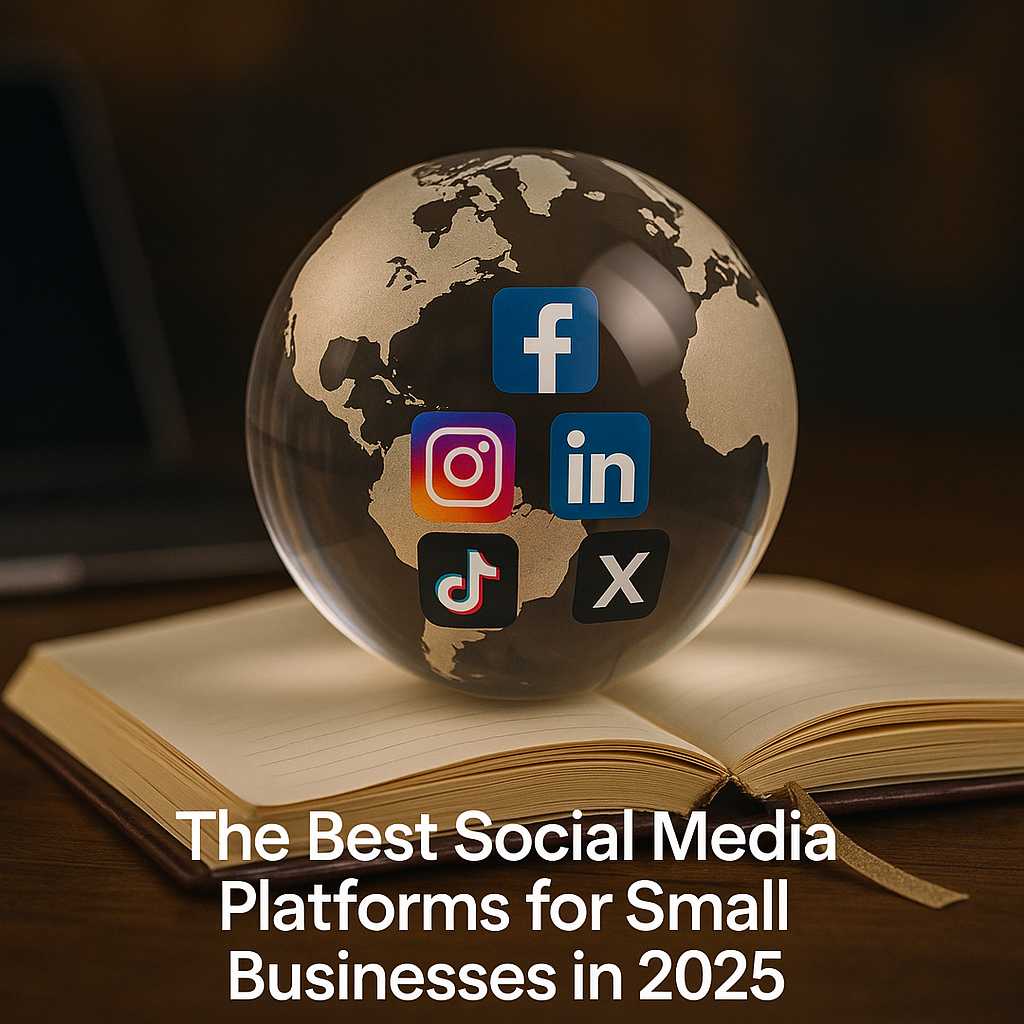
Choosing the best social media platforms for small businesses in 2025 requires a strategic balance between reliability and innovation. While established networks like Facebook, Instagram, Twitter, and LinkedIn continue to enhance their offerings, emerging platforms and niche communities open up fresh possibilities for small brands to scale their reach and engagement.
Facebook and Instagram: The Dynamic Duo
Facebook remains a powerhouse for customer engagement, offering advanced advertising tools, community features, and emerging innovations like augmented reality and enhanced messaging systems. These features allow small businesses to deliver personalized customer experiences that drive loyalty and conversion. Complementing Facebook, Instagram’s visually-driven platform enables brands to showcase their identity through photos, videos, and Stories. Both platforms offer robust analytics that empower entrepreneurs to optimize campaigns, monitor engagement, and refine future content strategies.
Adopting features such as shoppable posts and influencer collaborations on Instagram, business owners can create immersive shopping experiences that build trust and foster lasting customer relationships. This authentic, behind-the-scenes content drives higher conversion rates and deeper connections with audiences.
LinkedIn: Networking in the Digital Era
Traditionally known for its professional network, LinkedIn is quickly emerging as one of the top social media platforms for small businesses in 2025. Entrepreneurs are now leveraging LinkedIn not only for B2B connections but also for thought leadership, participating in niche groups, and establishing themselves as industry authorities. Recent updates make it easier to share insights, post engaging multimedia content, and even host live events or webinars. For more insights on leveraging professional networks, read our post on Networking in the Digital Era.
Small business owners can tap into LinkedIn’s industry-specific groups and advanced advertising tools to connect with a focused, professional audience. By consistently sharing quality content, businesses can spark interest, foster partnerships, and use tools like LinkedIn Sales Navigator for precise, targeted outreach.
Emerging Networks and Niche Platforms
In addition to established players, innovative platforms continue to emerge to cater to specific audiences and interests. For small businesses targeting younger demographics or niche communities, platforms like TikTok have proven to be exceptionally effective. TikTok’s short-video format encourages creative storytelling and rapid audience engagement, allowing brands to achieve viral reach with a single video.
Other community-driven apps and unique social networks are also gaining momentum by creating spaces where traditional advertising takes a backseat and authentic interactions flourish. For example, platforms that seamlessly blend e-commerce with social interaction offer a smooth customer journey—from product discovery to final purchase. According to a recent Entrepreneur article, the rise of social commerce is set to revolutionize conversion strategies in the near future.
Implementing an Effective Social Media Strategy
While selecting the right social media platforms is crucial, small business owners must also develop a strategy that truly resonates with their audience. The best social media platforms for small businesses in 2025 thrive on a blend of creativity, data-driven insights, and authentic customer engagement. Consider these strategies to elevate your social media game:
Embrace Authenticity and Engagement
Authenticity is a key differentiator in today’s social media environment. Consumers prefer brands that communicate openly and build genuine connections. Small businesses should focus on storytelling that not only promotes products or services but also shares the brand’s mission and values. By highlighting real customer experiences and engaging directly with followers, companies can foster loyal communities that drive long-term success.
Interactive content—such as polls, Q&A sessions, and live videos—invites customers to actively participate in your brand’s narrative. Listening to customer feedback and making improvements based on their input enhances the bond between brand and consumer, leading to higher satisfaction and stronger word-of-mouth referrals.
Utilize Data and Analytics
Data is the foundation of any successful social media campaign. Modern platforms offer in-depth analytics that reveal how content performs and who is engaging with it. Metrics such as engagement rates, click-through rates, and conversion statistics empower entrepreneurs to adjust and optimize their strategies.
For instance, analyzing peak engagement times allows business owners to schedule posts for maximum visibility. Regular tracking of customer behavior across platforms further refines target demographics and informs content creation. Leveraging both built-in tools and external services like Google Analytics offers a comprehensive view of customer journeys and drives more effective marketing campaigns.
Invest in Quality Content and Collaboration
High-quality content is at the heart of every successful social media strategy. Investing time in creating visually appealing, informative, and engaging content sets your business apart in a crowded digital landscape. Small businesses can further expand their reach by collaborating with local influencers or partnering with complementary brands. Such collaborations not only generate fresh content but also introduce your brand to new, interested audiences.
Varying content formats—from educational blog posts to entertaining videos—keeps your audience engaged on multiple platforms. For additional insights into modern marketing tactics, explore resources on digital business strategies, which offer community insights, case studies, and actionable tips.
The Road Ahead: Preparing for 2025 and Beyond
Looking forward, small businesses must remain agile in adapting to the ever-changing social media landscape. The best social media platforms for small businesses in 2025 will combine advanced features with a focus on personalized, customer-centric experiences. As artificial intelligence and machine learning further integrate into these platforms, the ability to predict and meet consumer needs will become increasingly vital. AI-powered chatbots and recommendation engines, for example, are already enhancing customer service in transformative ways.
Investing in training and hiring skilled professionals to manage complex social media campaigns and data analytics is essential. Staying informed about emerging trends—such as voice search optimization, virtual reality experiences, and the rise of social commerce—will help businesses remain ahead of the curve. By embracing these innovations and planning strategically, small businesses can establish themselves as leaders in their niche.
Networking with industry professionals and committing to continuous learning are crucial in this dynamic field. Engage with communities on platforms like LinkedIn, follow thought leaders on Twitter, and participate in webinars and workshops to gain fresh perspectives and ideas.
A flexible approach is key. By analyzing current campaigns and adapting strategies based on measurable outcomes, small businesses can not only survive but thrive in an ever-evolving digital marketplace.
Embracing the evolution of social media and prioritizing genuine customer engagement allows small businesses to unlock lasting success. Whether it’s through captivating content on Instagram, strategic networking on LinkedIn, or leveraging the viral potential of TikTok, the opportunities are abundant. For entrepreneurs navigating the complexities of modern digital marketing, this journey is both challenging and filled with potential.
In summary, the path to success in 2025 involves a balanced blend of innovation, authenticity, and data-driven strategy. Small business owners should assess their unique needs, understand audience behavior, and carefully invest in the social media avenues that best align with their goals. With thoughtful planning and execution, these platforms become powerful tools for enhancing brand visibility, driving customer engagement, and boosting revenue in today’s competitive digital landscape.
- The social media landscape in 2025 requires a balanced mix of traditional and innovative platforms.
- Established networks like Facebook, Instagram, and LinkedIn, along with emerging channels, offer unique growth opportunities.
- Authenticity, interactive content, and creative storytelling are critical to building customer loyalty.
- Data-driven insights and continuous learning are essential for sustaining long-term success.