Entrepreneurs and small business owners are familiar with the ever-changing landscape of online commerce. Every year, innovations, fresh insights, and evolving consumer preferences challenge traditional business models. Looking ahead to 2025, the digital retail transformation is set to redefine how companies engage with customers, deliver products, and build brand loyalty. In this article, we explore the future of e-commerce, unveiling top predictions and emerging trends forecast for 2025 that promise to revolutionize customer engagement and business management.
Technological Innovations Driving Change
Technology plays a pivotal role in the e-commerce predictions for 2025. Advancements in artificial intelligence (AI), machine learning, and data analytics empower businesses to offer highly personalized, efficient, and engaging experiences. AI-powered chatbots and virtual assistants now handle complex customer inquiries, deliver tailored recommendations, and uncover opportunities for upselling and cross-selling. This digital retail transformation is a foundational change that allows businesses to learn from customer behavior and adapt almost instantly.
Wearable technologies and augmented reality (AR) are also set to transform the customer experience. Imagine a scenario where customers can virtually “try on” clothing or accessories from home using AR. Coupled with robust data analytics, AR transforms online shopping from a static browsing session into an immersive and interactive adventure. These innovations highlight emerging e-commerce trends for 2025, placing technology at the forefront of retail evolution.
Personalization and Customer Experience
Personalization is no longer optional—it’s essential. Modern consumers expect interactions that acknowledge them as individuals rather than as generic segments. In the e-commerce predictions for 2025, hyper-personalized shopping experiences powered by detailed consumer data and AI insights are key. Companies are investing in advanced customer relationship management systems to track behavioral patterns and preferences, enabling a truly personal approach.
This commitment to personalization extends beyond product recommendations. It influences targeted marketing campaigns, customized email offers, and even post-purchase communication. Real-time data analysis allows businesses to design targeted loyalty programs and align communications with each customer’s unique journey. Emerging e-commerce trends for 2025 indicate that small businesses can leverage personalized strategies to compete with larger players by offering a more intimate and responsive service.
Moreover, as today’s customers conduct thorough research before purchasing, transparency in pricing, product details, and shipping policies is vital. Entrepreneurs who build trust through clear communication and user-centric design will thrive as the digital retail transformation takes hold in 2025.
Supply Chain Resilience and Sustainability
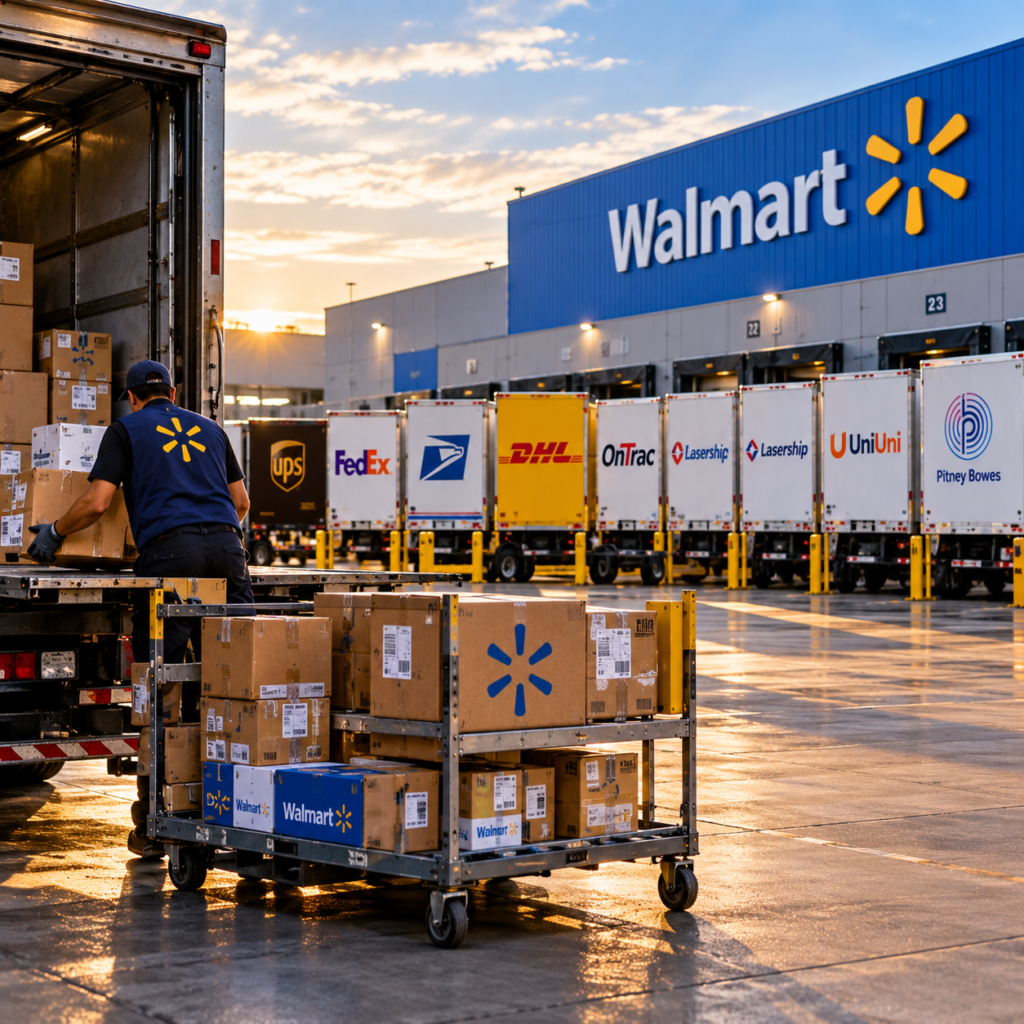
The supply chain is experiencing its own digital revolution. Technologies like blockchain and IoT sensors enhance transparency and traceability, improving operational efficiency and building consumer trust. Real-time delivery updates and improved logistics visibility are central to the digital retail transformation for 2025.
Sustainability is emerging as a critical pillar in the future of e-commerce. As consumers become increasingly eco-conscious, the demand for sustainable products and environmentally responsible delivery methods is growing. Businesses are adopting green practices, from eco-friendly packaging to optimized delivery routes that reduce carbon emissions. Integrating sustainable practices not only benefits the environment but also offers a competitive edge with conscientious consumers.
Entrepreneurs and small business owners must consider the economic, environmental, and social impacts of their operations. Building resilient and sustainable supply chain practices is a key strategy for success, making it an essential element of the e-commerce trends forecast for 2025.
Emerging Payment Technologies and Security Enhancements
Innovative payment systems are reshaping the e-commerce landscape. With the rise of digital wallets, cryptocurrencies, and contactless payments, transaction processing is rapidly evolving. The e-commerce predictions for 2025 show that consumers will demand faster, safer, and more convenient payment options. To meet these expectations, businesses must invest in secure payment gateways and robust fraud prevention tools.
Cybersecurity threats are increasing in sophistication and frequency, making advanced security measures essential. Multi-factor authentication and end-to-end encryption are quickly becoming industry standards. Enhanced security protocols not only protect business operations but also bolster consumer confidence, creating a safer online environment that is integral to the digital retail transformation in 2025.
Additionally, companies must prepare to comply with emerging data protection and cybersecurity regulations. Routine security audits and modern threat detection technologies are crucial to maintain compliance and uphold consumer trust.
Opportunities for Small Business Owners
While rapid technological advancements can seem daunting, they also offer significant opportunities for small business owners and entrepreneurs. One advantage small businesses enjoy is agility. Unlike large corporations, small enterprises can make swift decisions and implement change quickly, allowing them to integrate new technologies and trends more efficiently.
Leveraging insights from the emerging e-commerce trends forecast for 2025, small business owners can customize strategies to cater to niche markets effectively. Personalized marketing tools and data analytics enable the identification of untapped niches and customer segments, driving higher conversion rates and deeper engagement.
Exploring agile digital platforms and joining online communities, such as those available on MakeBusiness, can provide valuable guidance and resources. These platforms offer workshops, webinars, and articles that break down the latest technologies and strategies, helping small business owners stay ahead in an evolving marketplace.
The rise of mobile commerce and social selling further supports this opportunity-rich environment. As consumer behaviors shift, mobile-friendly interfaces and social media integration become increasingly important. Small businesses that embrace these elements are likely to see increased engagement and sales, making the digital retail transformation in 2025 both a present opportunity and a future reality.
- AI and AR innovations are redefining the online shopping experience.
- Personalization and transparent communication build lasting customer trust.
- Sustainable and resilient supply chains are vital for future success.
- Advanced payment technologies and robust security measures enhance consumer confidence.