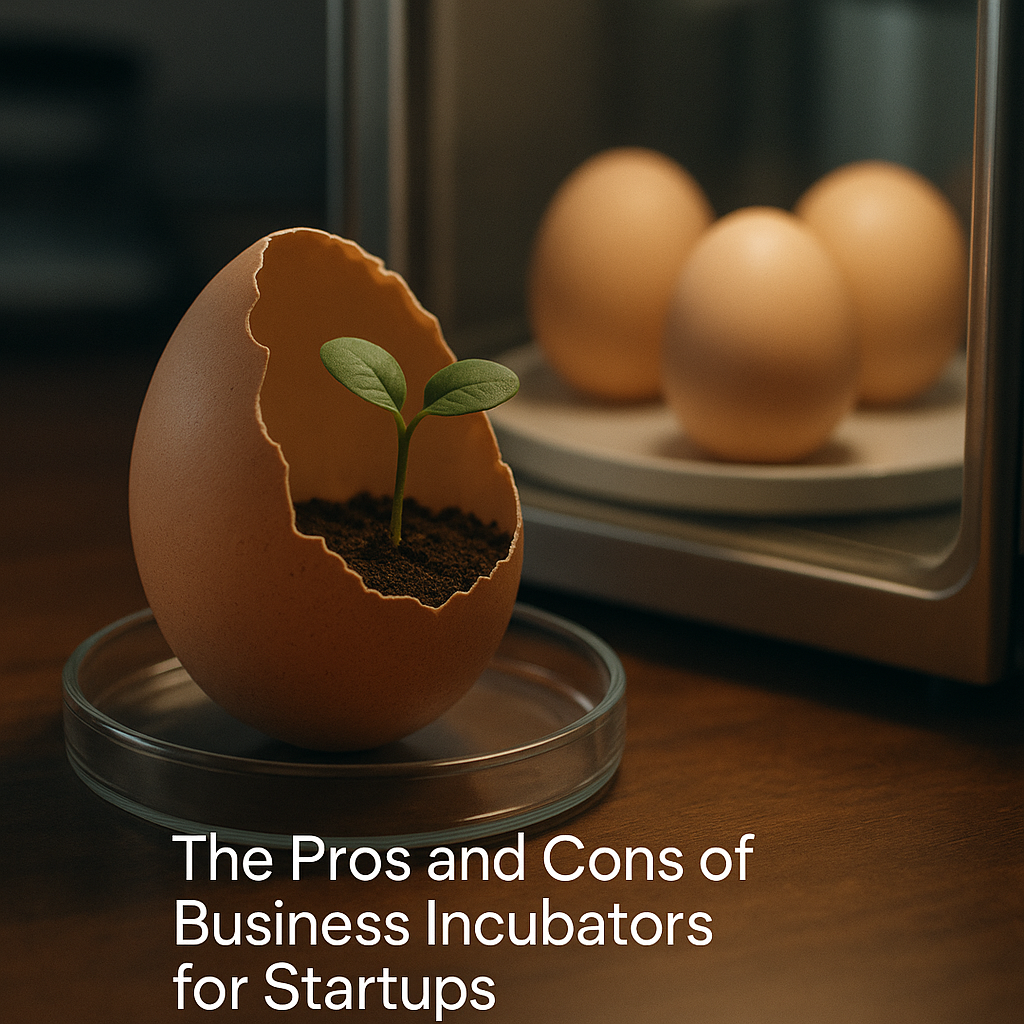
Business incubators have become a key resource for early-stage companies. Understanding the intricate benefits and challenges of these programs is essential for any entrepreneur. In this article, we provide an in-depth analysis of the risks and rewards associated with business incubators, examine their advantages and disadvantages, and outline effective strategies for startup success. This comprehensive guide will help you decide if partnering with a business incubator is the right move for your startup journey.
Navigating the Business Incubator Landscape
Business incubators are designed to support early-stage companies by offering a range of services—from mentorship and funding opportunities to office space and networking. Their primary goal is to ease the challenges of launching a startup by creating a nurturing and supportive environment. While the benefits can be significant, incubators also come with potential drawbacks.
Joining a business incubator often means becoming part of a community of like-minded individuals all working toward success. This network can be invaluable if you want to tap into experienced mentors and gain access to industry contacts. However, it is important to note that incubators vary widely in their structure and focus. Some are state-sponsored with research-oriented approaches, while others are privately managed and geared toward rapid commercialization and growth.
By understanding the core elements behind incubator programs, you can assess whether their model aligns with your startup’s needs. This article compares tangible benefits with potential challenges, offering you a balanced perspective on what business incubator programs can deliver.
Weighing the Advantages and Disadvantages
One of the main attractions of business incubators is the ability to access crucial resources that might otherwise be out of reach. Whether you are considering an incubator for funding, expertise, or networking opportunities, it is important to evaluate these benefits in light of your startup’s vision and operational needs.
Advantages: A reputable incubator can offer invaluable guidance through expert mentorship, extensive networking opportunities, and financial support. Many programs provide direct funding or help you connect with venture capital networks. Even modest financial injections are usually accompanied by strategic assistance, including business coaching, legal advice, and technical support. Entrepreneurs often cite the boost in confidence they receive by joining a community that encourages exploring new markets and adopting innovative strategies.
Moreover, business incubators foster a collaborative environment that prioritizes teamwork over competition. Shared workspaces and regular workshops create ideal settings for exchanging ideas and learning from peers’ experiences. This sense of community is crucial during the early, uncertain stages of a startup.
Disadvantages: Despite their many benefits, business incubators are not a universal solution for every startup. Some entrepreneurs may find that the structured approach within an incubator stifles creativity or enforces constraints that are not beneficial in the long term. Certain incubators may also require substantial equity or impose strict exit strategies that do not align with your business model.
Additionally, a misalignment between the incubator’s focus and your startup’s industry can prove challenging. For example, a tech-focused incubator might offer excellent digital resources and connections within the tech community, but these benefits may not translate well if your business operates in a different sector. This highlights the importance of a careful analysis of both the risks and rewards of business incubator programs.
Identifying and Mitigating Potential Risks
When considering startup success strategies with business incubator programs, it is vital to recognize potential risks. Awareness of these pitfalls will empower you to negotiate better terms and set realistic expectations from the outset.
A significant risk is the potential loss of equity in exchange for the initial support. Many programs require an equity stake as a fee for accessing resources, and this trade-off may be too costly if it is not balanced by sufficient growth potential. It is crucial to evaluate whether the combined monetary and advisory benefits justify the dilution of control.
Furthermore, while many incubators promise robust networks and mentorship, not every program delivers on these commitments. Conduct thorough research and, if possible, speak with past participants to gain firsthand insights. Assess whether the promised benefits are consistently realized in practice.
In today’s dynamic business environment, startup ecosystems are continually evolving. Even incubators with strong reputations may experience periods of instability or shifts in focus. For this reason, it can be beneficial to explore alternative support mechanisms such as accelerators or co-working spaces with built-in advisory services.
Effective Engagement and Beyond
Before affiliating your startup with an incubator, it is important to consider what you expect to gain and what you are willing to compromise. Analyzing the pros and cons of business incubator programs will help you carve out a clear roadmap for success.
Begin with careful planning and realistic milestone setting. Clearly define your objectives—whether it’s rapid scaling, expanding your network, or accessing specialized industry knowledge. An incubator with aligned goals can significantly accelerate your growth.
Review the program details meticulously, including the mentorship process, funding arrangements, and equity terms. Examine whether the available resources match your startup’s unique needs. For more comprehensive insights on making informed business decisions, consider exploring valuable business advice on MakeBusiness.
It is equally important to set clear expectations with your incubator representative. Transparency about your vision, challenges, and long-term goals ensures both parties are on the same page. Establish boundaries, such as the equity you are willing to offer, to safeguard your startup’s control while benefiting from accelerated growth.
Lastly, remember that networking remains an essential asset even after your time in the incubator. Leverage the insights and connections you gain to engage with industry leaders and an ever-expanding group of peer entrepreneurs. This diverse network can continue to support your venture well after you graduate from the program.
Consider the long-term impact on your business identity and independence. While incubators can boost early-stage success, ensure that the operational models and processes they introduce do not restrict future scalability or strategic pivots. External sources such as Entrepreneur and Forbes offer additional case studies and advice that highlight the importance of balancing growth with caution.
By recognizing potential obstacles early, you can capitalize on the benefits of an incubator while remaining alert to possible pitfalls. Ultimately, if an incubator’s advantages align with your specific business requirements and risk tolerance, it can serve as a powerful catalyst for entrepreneurial growth.
When selecting a business incubator, ask yourself whether the program offers tailored resources that can fast-track your success without sacrificing the flexibility and control crucial to your startup’s unique dynamics. A balanced perspective is the key to unlocking growth while keeping your business agile enough to navigate future challenges.
- Business incubators provide valuable resources, mentorship, and funding when aligned with your startup goals.
- Advantages include access to expert networks and collaborative workspaces; disadvantages may involve equity dilution and industry-specific limitations.
- Conduct thorough research and set clear expectations to mitigate potential risks.
- Ensure that the incubator’s support system meets both your immediate needs and long-term strategic vision.