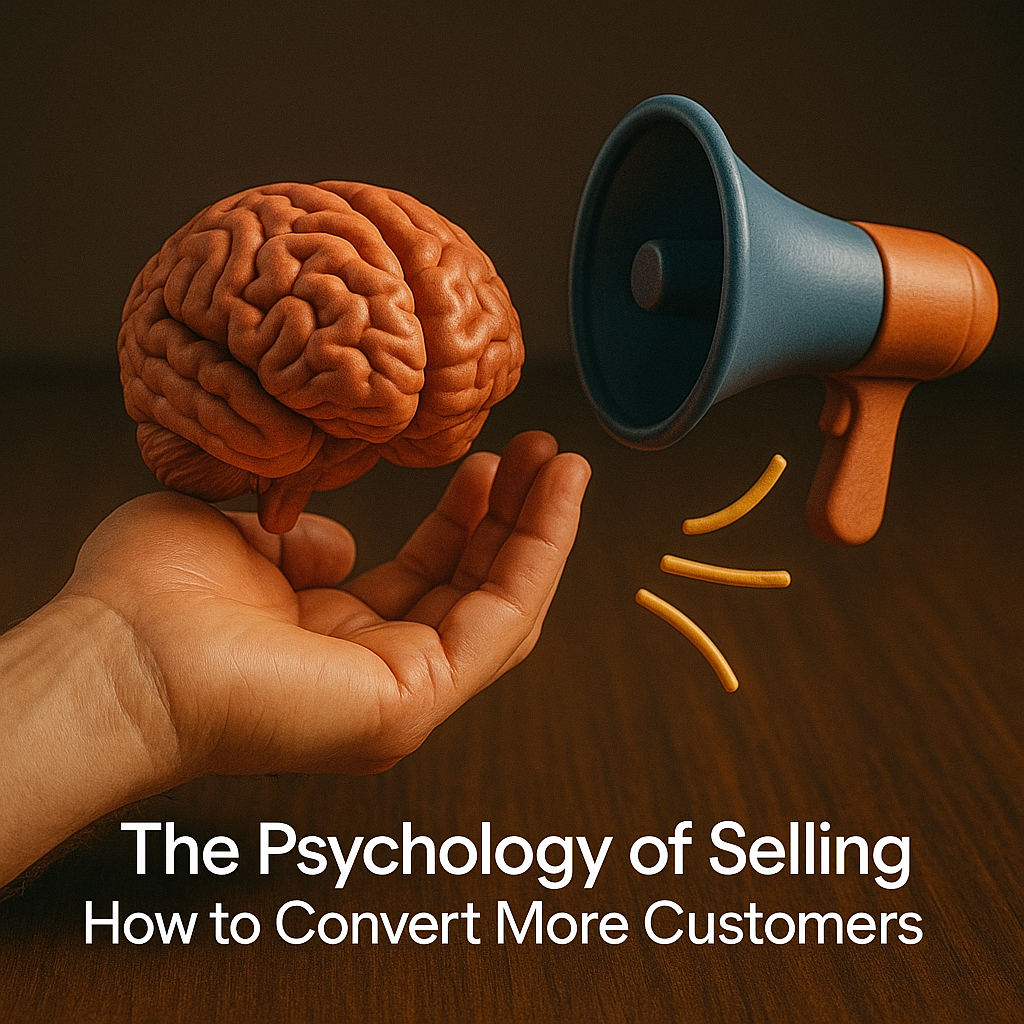
In today’s fast-paced business world, entrepreneurs and small business owners are continuously searching for ways to differentiate themselves in a saturated market. Leveraging human behavior insights can be the secret ingredient to outpacing the competition. By understanding consumer mindsets and applying effective psychological selling strategies, you can create meaningful interactions that drive sales and boost customer conversion rates. This article explores how customer conversion through psychological selling techniques and buyer psychology methods can elevate your business performance.
Understanding the Mindset Behind Sales
Every purchase decision is influenced by a combination of emotion, logic, and personal desire. While traditional advice focused on listing product features or offering lower prices, research shows that feelings and perceptions often outweigh mere facts. By delving into the psychology behind purchase decisions, you can tailor your approach at every stage of the buyer’s journey for maximum impact.
The key is to deliver messages that resonate with your customers’ personal needs and emotions. When you utilize buyer psychology methods for increased sales conversion, you address the fears, aspirations, and challenges that drive their decisions. This emotional connection is often as crucial as the product itself.
Overcoming Psychological Barriers
Before making a purchase, many customers face internal conflicts—worrying that an investment might not deliver on its promise or fearing they might make the wrong decision. By employing psychological selling techniques, you can tackle these concerns directly. Authentic testimonials, strong guarantees, and trial offers can help alleviate these fears and build confidence in your product.
Identifying these psychological barriers is the first step; the next is creating an environment where potential buyers feel secure enough to try your offering. Transparent communication about both the capabilities and limitations of your product fosters trust, a critical element for any lasting customer relationship.
Implementing Psychological Selling Techniques in Your Business
Integrating these advanced concepts into your daily operations doesn’t have to be complicated. Consider these smart, actionable strategies:
Personalized Storytelling
Storytelling is a highly effective tool in the art of selling. Consumers are naturally drawn to narratives that mirror their own experiences. Craft messages that feature real-life examples of how your product has transformed lives. When these stories highlight clear, tangible benefits, they serve as persuasive illustrations of psychological selling strategies that convert customers. A well-told narrative can be the decisive factor between a casual visitor and a loyal customer.
Focus on stories that showcase both challenges and success. For instance, the journey of a small business owner who struggled with day-to-day operations until discovering your innovative solutions can vividly demonstrate your product’s value and emotional impact.
Social Influence and Validation
Humans are inherently social beings, often influenced by the opinions and actions of others. Incorporating social proof into your sales strategy can significantly boost credibility. Displaying customer reviews, ratings, and case studies reassures potential buyers that they are making a smart, trusted decision.
Integrate user-generated content and third-party endorsements to strengthen your message. For example, referencing an insightful Forbes article on the power of peer reviews and influencer endorsements demonstrates that your approach is backed by industry experts.
Creating Authentic Connections with Customers
Although technology has transformed the way we market and sell, the fundamentals of human connection remain unchanged. Building trust and rapport is essential for long-term customer conversion. Here are strategies that blend traditional relationship-building with modern digital techniques:
Empathy and Active Listening
Empathy is one of the most overlooked yet powerful tools in selling. Show your customers that you understand their challenges and aspirations by practicing active listening. Whether in person or online, engaging in genuine dialogue proves that you’re committed to meeting their needs rather than just pushing a product.
Using psychological selling techniques to boost customer conversion means fostering a conversational atmosphere. Ask open-ended questions, invite honest feedback, and respond thoughtfully to both compliments and criticisms. This reciprocal communication builds a foundation of trust essential for repeat business.
Offering Value Beyond the Sale
Sustainable business success is built on providing value that extends well beyond a single transaction. When customers perceive lasting benefits from your product or brand, their loyalty deepens significantly. Consider creating a resource hub on your website featuring expert insights, tips, and strategies related to your industry. For example, exploring innovative business solutions can offer additional tips for staying competitive and relevant.
Continuous engagement through regular updates, informative blog posts, and interactive webinars further reinforces your role as a trusted advisor. This approach turns one-time buyers into passionate advocates who spread the word about your brand.
Leveraging Digital Tools for Psychological Selling
In an era defined by digital interactions, advanced analytics and personalization offer unprecedented opportunities for increasing sales conversion. Integrating buyer psychology methods with digital tools can enhance your overall marketing strategy.
Marketing automation platforms enable you to segment your audience based on behavior, demographics, and purchase history. This data allows you to craft customized messages that resonate with each segment’s unique characteristics. Additionally, tools like A/B testing help fine-tune your messaging so that the psychological triggers you use match your customers’ expectations.
Interactive content, such as quizzes and personalized product recommendations, creates a dynamic shopping experience that feels both personal and engaging. These techniques not only boost customer engagement but also provide deeper insights into what motivates your audience to take action.
Another effective strategy is to use retargeting combined with behavior-based email campaigns. When potential buyers return to your website, familiar messages can lower psychological barriers by reinforcing positive experiences. This gradual, supportive approach nurtures prospects towards a confident buying decision.
Designed for both seasoned entrepreneurs and newcomers, these strategies illustrate that successful sales depend on understanding people as much as offering a great product. By integrating psychological selling techniques into your daily operations, you can transform hesitant prospects into loyal, long-term clients.
Ultimately, aligning your business model with the intrinsic behaviors of your target audience is key. Instead of pushing for a hard sale, create an environment where customers naturally gravitate toward a positive buying decision. This balanced integration of psychology and practicality not only boosts sales conversion but also forges lasting customer relationships.
- Understanding customer mindsets is essential for effective selling.
- Personalized storytelling connects emotionally and drives sales conversion.
- Social validation and third-party endorsements build trust.
- Digital tools and tailored messaging significantly enhance conversion rates.