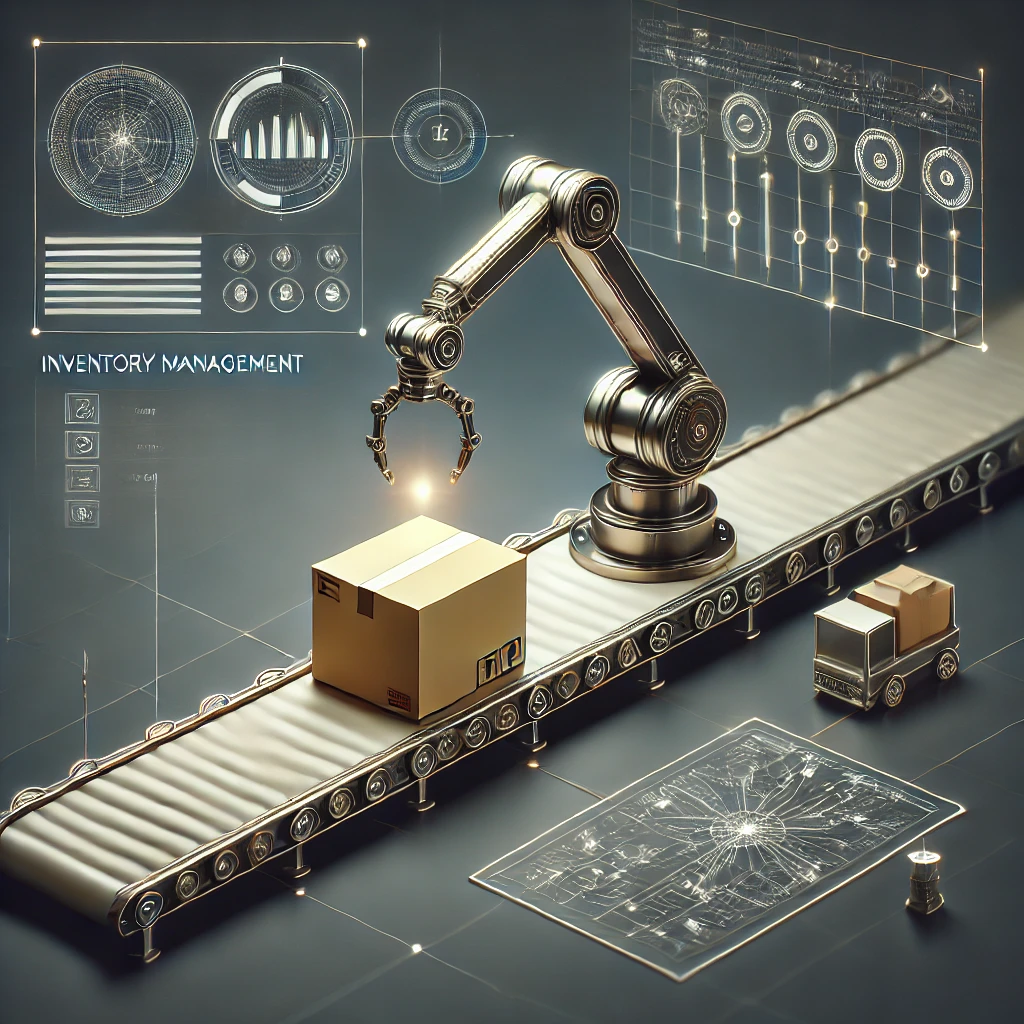
In today’s dynamic business landscape, companies are transforming the way they manage supply chains. Entrepreneurs and small business owners are increasingly embracing automated solutions that streamline processes, enable real-time inventory management, and boost overall performance. This shift toward automation is driving greater efficiency and helping businesses adapt to rapidly changing market conditions.
Embracing Change: How Automation is Reshaping Supply Chains
Automation in supply chain management has evolved from a luxury into an essential component of any successful business strategy. As customer demands shift and global competition intensifies, companies require agile systems that adjust in real time. Automated supply chain management solutions for modern businesses reduce repetitive tasks, minimize human error, and enhance precision. For small business owners, this means lower operational costs and more resources devoted to innovation and customer service.
The benefits of automation are evident across procurement, logistics, warehousing, and distribution. With smart sensors, machine learning algorithms, and robotics, businesses can collect real-time data, analyze trends, and make informed decisions at unprecedented speeds. Whether adjusting inventory levels in response to demand fluctuations or streamlining transportation channels, automation technology makes supply chain operations more agile and responsive.
Leveraging Advanced Technologies for Optimal Performance
One of the key advantages of modern automation is the deployment of advanced technology designed to optimize supply chains. By integrating systems that operate seamlessly across multiple platforms, companies achieve improved synchronization between various departments and external partners. This holistic view of the supply chain enables decision-makers to manage risks, allocate resources efficiently, and forecast demand with precision.
A prime example is the integration of Internet of Things (IoT) devices with cloud-based management software. This powerful combination allows continuous asset monitoring and real-time adjustments. Predictive analytics further enhances operations by evaluating historical data, identifying patterns, and forecasting future trends. Such innovations not only help reduce costs but also improve customer satisfaction by ensuring on-time product delivery.
Benefits for Growing Entrepreneurs and Small Business Owners
Automation is not solely the domain of large corporations. Small businesses, often constrained by limited budgets and staff, benefit significantly from the efficiency and risk reduction provided by automated processes. By delegating routine tasks to intelligent systems, entrepreneurs can concentrate on strategic activities such as customer engagement, product development, and long-term planning.
User-friendly platforms are making advanced technology accessible to businesses of all sizes. Modern automated supply chain management solutions are designed for scalability—allowing small enterprises to start with basic tools and expand as their needs grow. This flexibility ensures that businesses can quickly adapt to new challenges and opportunities.
Websites like makebusiness.eu offer extensive resources to help businesses navigate these complex systems. Through comprehensive guides and real-world case studies, entrepreneurs learn how to effectively integrate automation into their operations and gain a competitive edge in a crowded market.
Preparing for Future Opportunities
The journey to an automated supply chain is a continuous process rather than a final destination. With technological innovations emerging regularly, businesses must remain flexible and proactive. The recent economic disruptions have highlighted the need for agile supply chain strategies that are supported by automation, ensuring companies can respond swiftly to unforeseen challenges.
By adopting these technologies, entrepreneurs not only streamline daily operations but also build a robust foundation for future innovations. Many companies are now exploring artificial intelligence (AI) and blockchain to further transform supply chain management. AI enhances forecasting and decision-making, while blockchain offers superior transparency and traceability across the network.
In an era marked by evolving international trade policies, shifting labor dynamics, and growing environmental concerns, the adaptability provided by automation is invaluable. As highlighted by industry leaders, automated processes are key to maintaining supply chain resilience even in unprecedented circumstances. Companies that invest in forward-thinking strategies enjoy smoother operations and steady growth. Integrated technologies allow businesses to automate everything from order processing to delivery tracking, freeing up critical resources for strategic development and enhanced customer engagement.
Ultimately, modern automation is no longer viewed solely as a cost-cutting measure. Savvy entrepreneurs recognize its role in driving competitive differentiation and operational excellence. Whether through advanced data analytics, streamlined logistics, or superior customer insights, the evolution of supply chain management technology is reshaping businesses of all sizes.
- Reduces repetitive and error-prone tasks for greater operational precision.
- Enables real-time monitoring and quick, data-driven decision-making.
- Offers scalable, cost-effective automated solutions for businesses of all sizes.
- Integrates cutting-edge technologies, such as AI and blockchain, for a more resilient supply chain.