In today’s competitive market, entrepreneurs and small business owners are constantly searching for innovative ways to increase efficiency while making a positive environmental impact. Reverse logistics has emerged as a key element in sustainable supply chain management. By transforming waste into valuable resources, reverse logistics enhances brand reputation and drives continuous improvement.
Understanding Reverse Logistics and Its Growing Importance
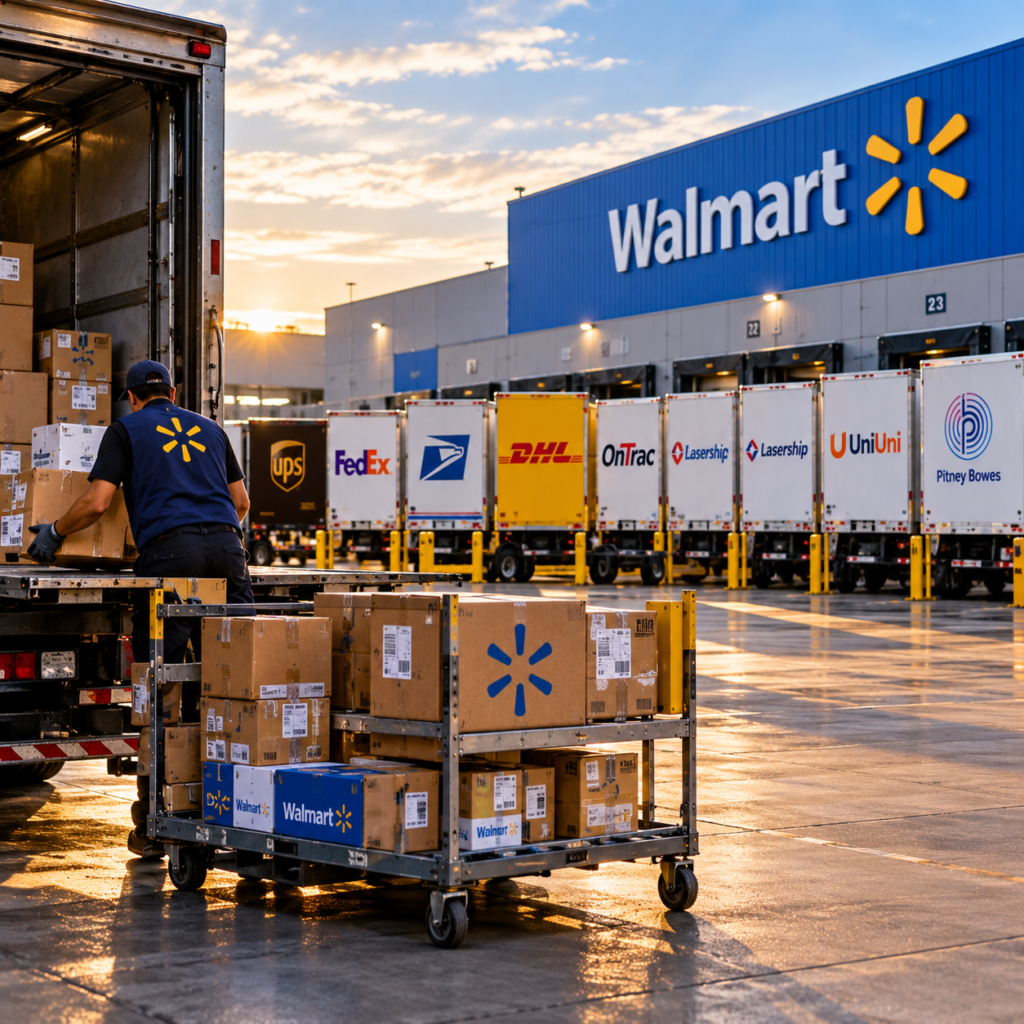
Reverse logistics involves returning products from their final destination back to the manufacturer or another designated facility to be reused, recycled, remanufactured, or properly disposed of. This process covers product returns, repairs, recalls, and recycling operations. With the rise of eco-conscious consumers and increasing environmental regulations, reverse logistics has become a crucial component of modern supply chains.
Integrating reverse logistics into your supply chain strategy can yield financial, environmental, and operational benefits. By planning effective returns management processes, businesses can reduce waste, reclaim valuable materials, and minimize their environmental footprint. Entrepreneurs implementing these strategies not only lower costs but also contribute to a healthier planet.
This approach aligns seamlessly with the circular economy, where products and materials are kept in use for longer. Small businesses, which often operate on lean models, can particularly benefit by reinvesting recovered materials into production, turning waste into a strategic asset.
Reverse Logistics Strategies for a Sustainable Supply Chain
Effective reverse logistics strategies go beyond simply processing returns; they involve thoughtful planning, advanced technology, and creative practices. Consider these key strategies:
Effective Data Management and Tracking
Developing a robust reverse logistics network starts with detailed tracking systems. These systems monitor returned items in real time, assess damage, and offer insights into consumer behaviors. When integrated with inventory management, advanced data analytics help identify inefficiencies and optimize recovery rates, enabling small business owners to reduce waste and enhance operational performance.
Partnerships and Collaborations
Collaborating with logistics partners who prioritize sustainability can significantly expand the effectiveness of your reverse logistics operations. Partnering with third-party experts and recycling facilities not only eases operational challenges but also ensures compliance with environmental standards. Such collaborations pave the way for innovative practices that drive cost savings and process improvements in green supply chains.
Redesigning Product Life Cycles
Evaluating and redesigning product life cycles to incorporate reverse logistics from the start can dramatically enhance the benefits of your supply chain. Creating products that are easy to disassemble or recycle streamlines the recycling process and supports overall sustainability goals. As businesses adopt greener product designs, they contribute to a circular economy where waste is minimized and resources are continuously renewed.
The Multifaceted Benefits of Reverse Logistics
The benefits of reverse logistics extend far beyond environmental improvements. Efficient return processes lead to higher customer satisfaction by offering hassle-free returns and recycling incentives. Eco-conscious customers appreciate companies that actively invest in sustainable practices, often resulting in increased loyalty.
In addition to environmental and customer service advantages, a well-structured reverse logistics network cuts operational costs by recovering and reusing parts of returned products. This approach reduces reliance on raw materials, lowers production expenses, and ensures that only high-quality items re-enter the supply chain.
Entrepreneurs who embrace reverse logistics can reinvest savings into areas like research and development or enhanced customer service. Studies suggest that companies employing robust reverse logistics strategies not only improve their environmental footprint but also see a positive impact on their bottom line.
Moreover, reverse logistics provides a compelling marketing advantage. Highlighting your commitment to sustainable practices can differentiate your brand in a crowded market and attract environmentally conscious customers, partners, and investors.
Implementing Reverse Logistics in Your Business
For small business owners and entrepreneurs, integrating reverse logistics begins with developing a clear, actionable plan. Start by auditing your current supply chain processes to pinpoint areas where reverse logistics can be incorporated. Focus on products that commonly generate returns and explore efficient methods for recovery or recycling.
Invest in modern technology such as cloud-based inventory systems and automated return processes to streamline operations. These systems facilitate prompt communication across the supply chain, from return initiation to processing at remanufacturing centers or recycling facilities, reducing delays and bottlenecks.
Reevaluate your logistics partnerships by seeking collaborations with companies that share your sustainability vision. For additional insights and practical strategies, explore resources like the business strategy insights on MakeBusiness.eu. Tailor these examples to the unique challenges faced by your business.
Fostering a culture of innovation is also essential. Encourage your team to brainstorm creative ways to repurpose returns, whether by using excess items in new products or partnering with local recycling initiatives. Embedding reverse logistics into your core business strategy ensures that sustainability remains a priority throughout your operations.
Lastly, communicate your sustainability efforts with transparency. Share success stories and initiatives through emails, blog posts, and social media to build consumer trust and reinforce your commitment to the environment. Transparent communication not only strengthens your brand image but also attracts partners and investors who value sustainability.
- Reverse logistics transforms waste into valuable resources through efficient product recovery and recycling.
- Effective data management and strategic partnerships are vital for an eco-friendly supply chain.
- Integrating reverse logistics lowers operational costs, enhances customer loyalty, and improves brand image.
- Innovation and transparent communication are crucial for implementing sustainable practices in small businesses.