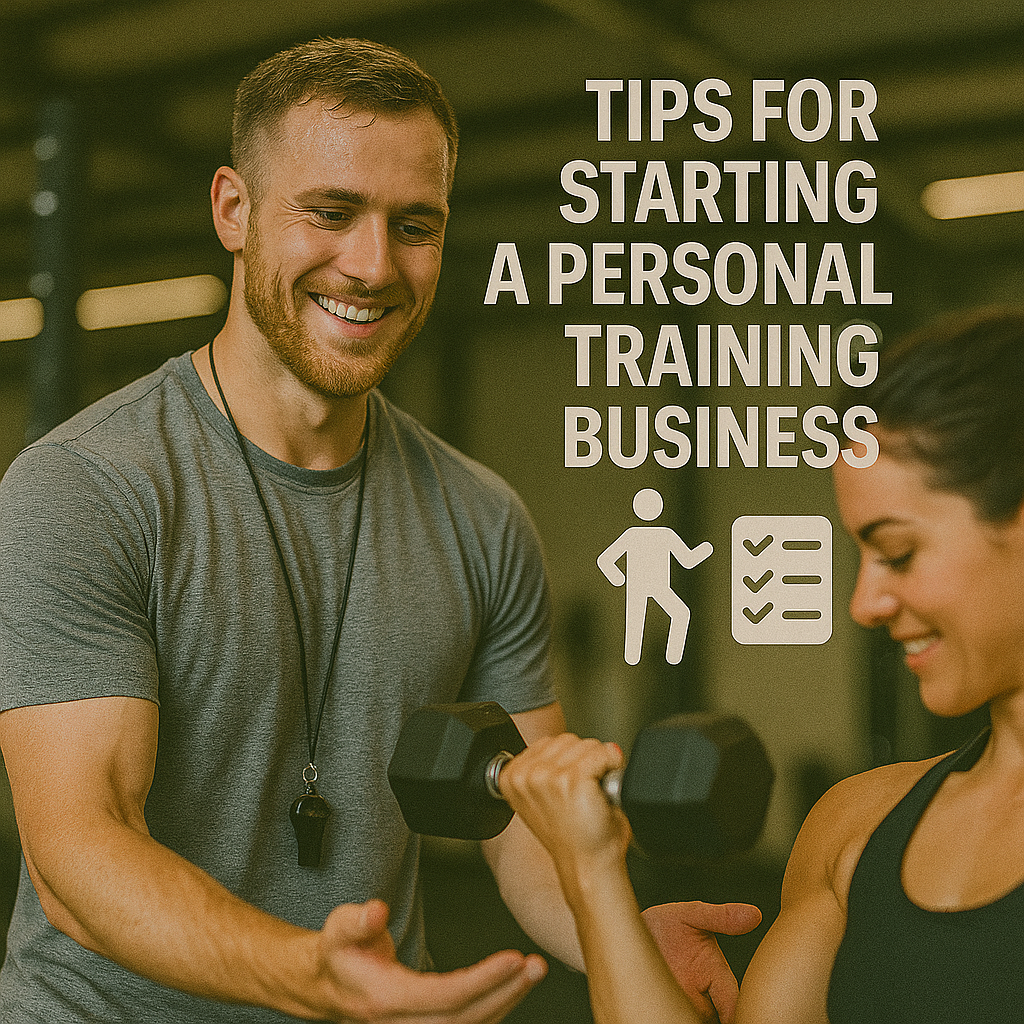
Embarking on a journey into entrepreneurship within the fitness industry is both exciting and challenging. If you’re passionate about health and wellness and eager to help others meet their fitness goals, launching a personal training business could be your perfect path. With careful planning and the right mindset, you can create a thriving business that enhances your clients’ well-being while also laying the foundation for a fulfilling career.
Developing a Clear Vision and Plan
Before you dive into the details, it’s essential to define a crystal-clear vision for your business. Reflect on your motivations for becoming a personal trainer and identify the unique value you offer. Whether you choose to focus on one-on-one sessions, group classes, or online training programs, your business plan should outline your scope of services, target audience, pricing strategy, and marketing approach. This comprehensive guide to launching a personal training business begins with a solid business model that aligns with your long-term goals.
Next, create a detailed financial forecast. Factor in startup costs such as certification fees, equipment purchases, rental space, and marketing expenses. A thoughtful financial plan will help you manage cash flow and fund your business growth over time.
Obtaining Certifications and Building Expertise
Building trust in the fitness industry starts with showcasing your credentials. Clients value certifications from recognized organizations, so pursue accredited programs to enhance your skills and establish credibility. Look for certifications offered by respected institutions, as recommended by industry leaders like Entrepreneur. This approach is crucial when searching for step-by-step tips for starting a personal training business.
In addition to earning certifications, commit to ongoing education. Stay informed about the latest trends in exercise science, nutrition, and injury prevention to differentiate yourself in a competitive market. Continuous learning not only strengthens your expertise but also reinforces the core strategies for building a successful personal training career.
Marketing Your Business Effectively
The success of your personal training business also hinges on how well you connect with potential clients. An effective marketing strategy is a vital component of your business plan. Start with a professional website that clearly outlines your services, includes client testimonials, and highlights your background. This digital presence helps potential clients understand the unique benefits of working with you. Showcase real success stories and, when possible, include before-and-after images to build trust and credibility.
Social media platforms like Instagram, Facebook, and LinkedIn are invaluable tools for expanding your reach. Regularly share fitness tips, workout plans, and motivational content to highlight your expertise. Additionally, consider hosting local events or free workshops to attract and engage new clients.
For further entrepreneurial insights, explore resources available at MakeBusiness. This platform offers guidance on digital marketing strategies and business planning that can enhance your promotional efforts and drive your success.
Establishing a Client-Centered Experience
A successful personal training business centers on a client-first approach. Create a welcoming and personalized training environment by listening closely to your clients’ needs and fitness goals. Tailor your programs to address their unique requirements and continuously seek feedback to improve your services.
Offer flexible training packages that include one-on-one sessions, group classes, and online coaching to cater to diverse budgets and lifestyles. Demonstrating your effectiveness through client transformations and testimonials is a powerful way to establish your reputation as a reliable personal trainer.
Enhance your offerings by integrating nutritional advice and healthy lifestyle tips. Partner with dietitians or wellness consultants to provide a well-rounded, holistic approach to fitness that supports all aspects of your clients’ well-being.
Utilizing Technology and Staying Adaptable
Integrating technology into your business can enhance client engagement and streamline administrative tasks. Many personal trainers now use fitness apps for scheduling, progress tracking, and virtual training sessions. Embracing these tools not only improves efficiency but also appeals to tech-savvy clients.
Invest in a reliable online booking system that allows clients to schedule sessions, receive automated reminders, and manage cancellations or rescheduling requests with ease. Use analytics from these systems to gain insights into peak business hours, client retention, and overall performance, making smarter decisions for your business growth.
Adaptability is key in the constantly evolving fitness industry. Stay updated on trends, consumer preferences, and economic shifts by subscribing to industry newsletters, joining professional networks, and attending relevant seminars or conventions. An adaptable approach positions your business to thrive in a competitive market.
Building a successful personal training career is an ongoing journey. Prioritize client satisfaction and quality service, and your business will grow resiliently even as competition increases.
Starting a personal training business means balancing roles as a fitness expert, motivational coach, and savvy entrepreneur. With dedication, smart planning, and innovative marketing, you lay the groundwork for a rewarding career. These proven strategies combine a passion for fitness with robust business practices to help ensure your lasting success.
Every step of this journey contributes to your personal and professional growth. By consistently refining your services, embracing essential business management principles, and leveraging technology, you build lasting trust with your clients. This trust is the engine that drives your success, proving that lasting achievement is built through persistent effort and strategic planning.
Whether you’re just starting out or seeking to enhance your current practice, continuous learning and adaptation are key. With a client-first approach and unwavering commitment to excellence, your personal training venture is set for a bright future.
- Create a comprehensive business plan detailing your services, target market, and financial strategy.
- Earn reputable certifications and invest in continual professional development.
- Leverage digital marketing and social media to expand your reach and build your brand.
- Embrace technology and remain flexible to meet evolving industry demands.