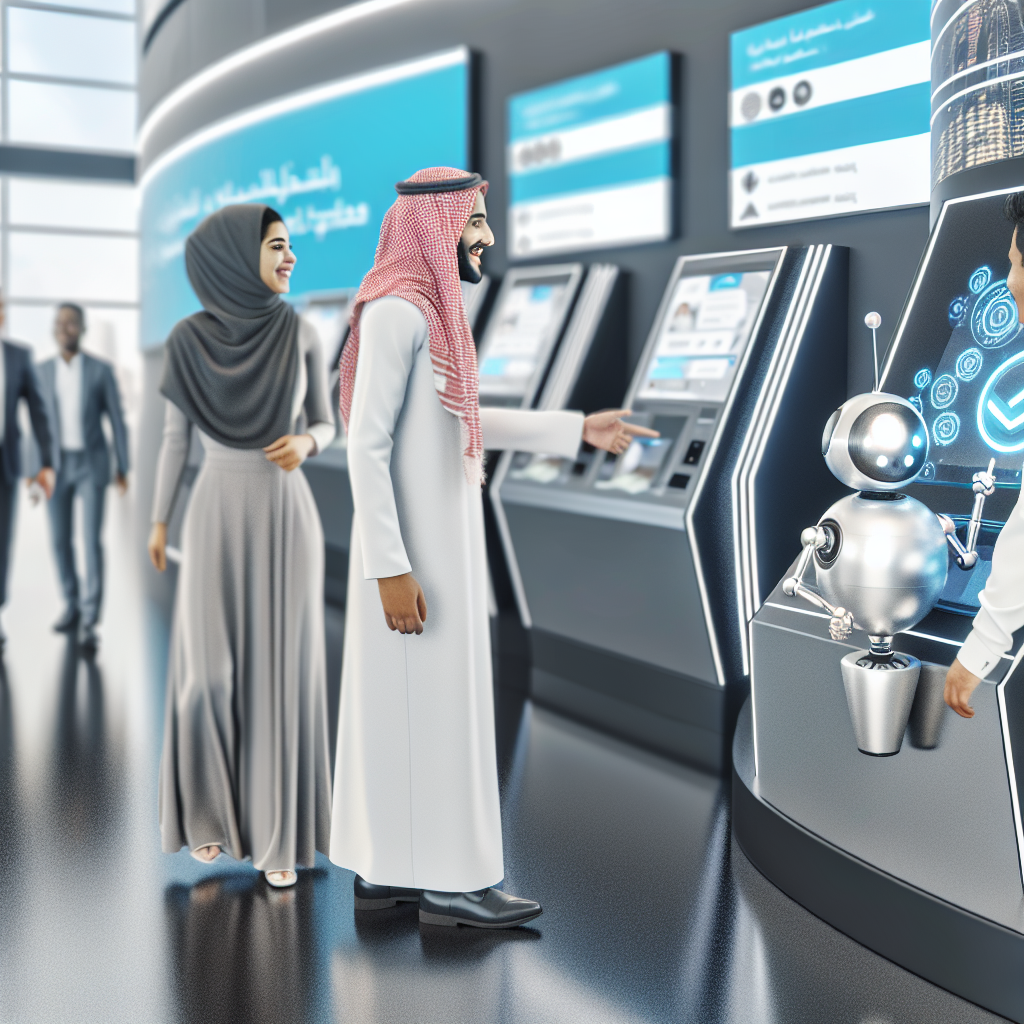
As an entrepreneur or small business owner, remaining competitive in today’s digital landscape is essential. With customers expecting efficiency, personalization, and prompt communication, smart automation strategies have become a strategic asset to differentiate your brand and improve customer experience.
Understanding the Role of Automation in Modern Business
Technological advancements are continually reshaping business operations. In customer service, automation alleviates repetitive tasks and allows your team to focus on building lasting customer relationships. Whether streamlining responses to frequently asked questions or integrating intelligent chatbots on your website, well-implemented automation accelerates response times and minimizes human error.
Automation techniques evolve from managing simple tasks to addressing more complex interactions. They are designed not to replace the human touch, but to complement and enhance your customer engagement efforts. By freeing up valuable time, automation enables your team to resolve critical issues promptly while consistently managing routine queries.
Leveraging AI for Enhanced Customer Service
Integrating artificial intelligence into your operations unlocks new dimensions in customer service automation. AI-driven systems can personalize interactions and anticipate customer needs by analyzing data on buying patterns, preferences, and pain points. This personalized approach not only boosts customer satisfaction but also ensures timely, accurate responses.
Modern AI chatbots understand natural language and context, making them effective first responders. They handle initial inquiries, escalate complex issues to human agents, and continuously learn from interactions to refine their responses. This seamless blend of technology and human expertise enhances overall efficiency and builds deeper customer trust.
A recent article in Forbes highlighted significant improvements in customer satisfaction and operational efficiency for businesses using AI-driven support. Not only large enterprises but also small businesses and startups are reaping substantial benefits from deploying these advanced systems.
Using Automation Tools to Optimize the Customer Journey
Automation is most effective when it is tailored to your unique business needs. By analyzing every customer touchpoint, you can identify gaps where delays or miscommunications occur. From the initial discovery phase of your brand to the final purchase decision, automated emails, real-time chatbot responses, and prompt follow-up surveys ensure a smooth, engaging journey.
By automating routine tasks, your team gains the opportunity to focus on personalized customer interactions. Data collected through automation also provides valuable insights, helping you fine-tune strategies and continuously enhance the customer experience.
Entrepreneurs eager to explore the synergy between automation and customer service can find valuable insights on innovative strategies for business automation. Learning from peer successes can help you navigate this transformative process with confidence.
Strategies to Get Started with Automation
Embracing automation can feel overwhelming at first, but starting small is key. Begin by automating manageable tasks and gradually expand as you see success. Clearly define your customer service objectives and assess your workflows to pinpoint tasks that can be automated without compromising quality.
Consider these guiding principles:
- Identify Low-Impact Repetitive Tasks: Focus on automating tasks that require minimal creativity. Think email responses, appointment scheduling, and order confirmations as initial steps.
- Choose the Right Tools: Select automation tools that integrate seamlessly with your existing systems and offer scalability as your business grows.
- Train Your Team: Ensure your team is equipped to work with new automation systems and knows when to intervene manually.
As you implement automation, continually monitor and adjust based on real-world performance. Solicit feedback from customers and team members to optimize processes and ensure a consistent, high-quality customer experience.
Use key performance metrics such as response time, resolution accuracy, and customer feedback to measure the impact of automation. Data-driven insights will help you refine workflows, build trust with your customers, and drive overall efficiency.
Practical Benefits of Embracing Automation
One of the most significant advantages of automation is its ability to deliver personalized customer experiences without straining resources. Thoughtfully applied automation provides timely, accurate responses that make every customer feel valued, reduces operational costs, and alleviates the burden of high-volume inquiries.
Automating routine tasks significantly minimizes errors associated with manual processes, directly translating into increased customer trust. A seamless interaction journey often turns one-time buyers into loyal customers, which is especially critical for small businesses.
Leveraging AI for enhanced customer service also opens opportunities for predictive analytics. By anticipating customer needs through data analysis, your system can offer proactive recommendations, streamline upselling and cross-selling efforts, and generate better business outcomes.
In a competitive market, consistently delivering a positive customer experience can be the deciding factor for success. Automation ensures your team is always ready to meet future challenges while maintaining outstanding service.
For forward-thinking entrepreneurs, integrating automation is a smart investment in your company’s future. Even modest automation efforts can yield significant improvements in customer retention, satisfaction, and overall business efficiency.
In summary, automation is not merely a technological upgrade—it is a strategic approach to becoming more responsive, agile, and customer-centric. By using automation tools to refine the customer journey, you build a dynamic system that evolves with your business and meets ever-changing customer expectations.
Every customer interaction is a chance to showcase your commitment to quality service and innovation. Whether it’s streamlining workflows, personalizing communications, or leveraging customer feedback, automation paves the way for operational excellence and superior customer satisfaction.
As automation technologies continue to evolve, now is the time to harness these tools to boost efficiency, elevate customer service, and create a scalable business model. Invest in automation today and focus on growth, knowing your customers will always receive the prompt, personalized service they deserve.
- Automation minimizes repetitive tasks, allowing your team to focus on strategic customer relationships.
- AI-powered automation enhances personalization and quickens response times.
- Optimized customer journeys maintain a consistent, high-quality service experience.
- Scalable automation drives cost savings and builds long-term customer loyalty.