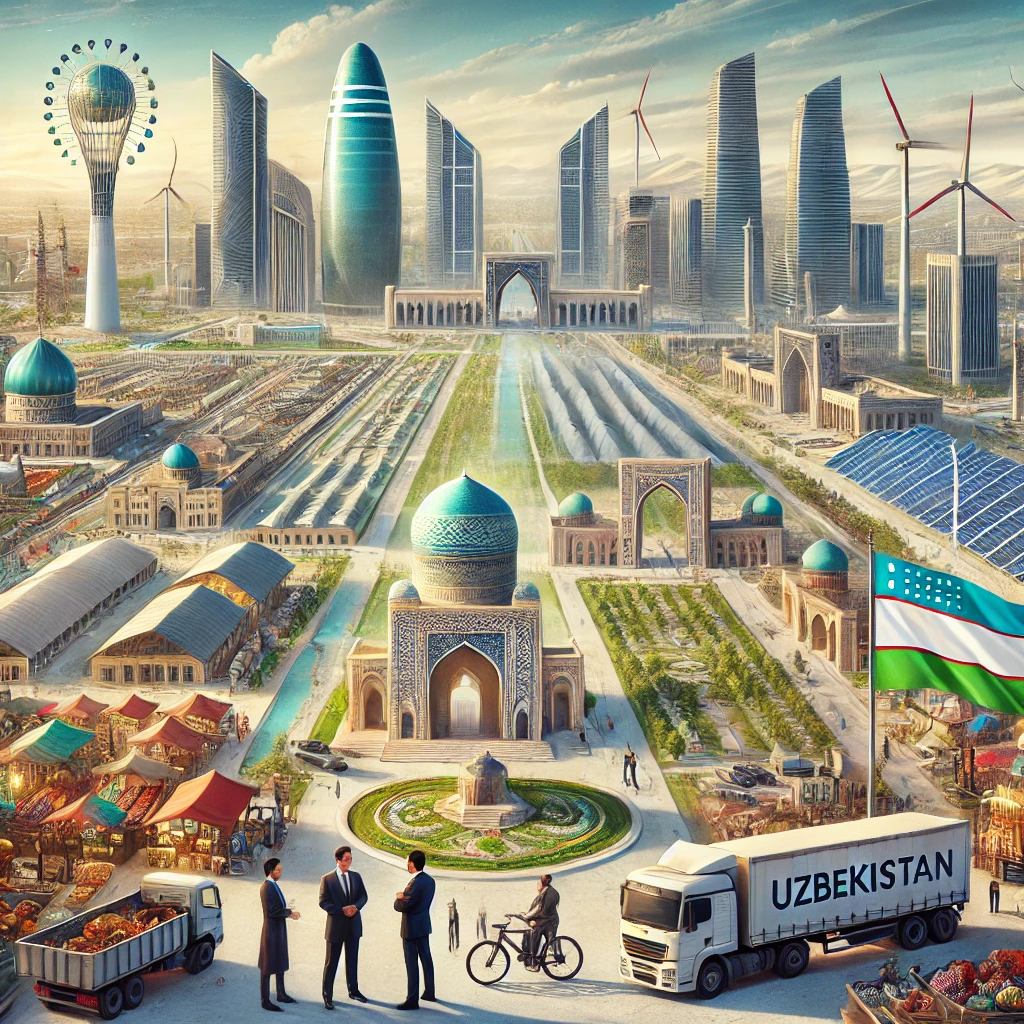
In recent years, Uzbekistan has experienced a groundbreaking transformation driven by modernization, improved regulatory frameworks, and a revitalized private sector. Entrepreneurs and small business owners now have access to a dynamic market characterized by rapid economic growth, transparent reforms, and abundant opportunities for sustainable investment. While navigating this emerging economy may seem challenging, understanding its unique dynamics can yield significant rewards.
Rising Economic Dynamics in Uzbekistan
Once primarily agrarian, Uzbekistan is now evolving into a diversified emerging economy that has captured global attention. Consistent economic liberalization, major infrastructure upgrades, and reduced bureaucratic impediments are fueling unprecedented growth and drawing international investments. This evolution is the direct result of strategic government initiatives and comprehensive reforms designed to stimulate robust business development.
Historically, investors viewed the market as too risky. Today, however, enhanced legal frameworks, supportive fiscal policies, and a commitment to transparency have transformed Uzbekistan into a prime destination for both new and seasoned investors. The government’s dedication to economic diversification harmonizes traditional sectors, such as agriculture and textiles, with modern industries like energy, mining, and technology.
Government-Led Reforms and Business-Friendly Initiatives
A pivotal turning point for Uzbekistan was the implementation of reforms aimed at opening its economy to global markets. These market reforms and improved investment prospects are steadily transforming the business climate by cutting red tape and aligning with international best practices. Initiatives such as revised tax policies, simplified licensing, and judicial enhancements send strong signals to global investors.
Investors adopting long-term strategies in this emerging economy appreciate the government’s consistent efforts to boost transparency and reduce corruption. Infrastructure development projects offer broad socioeconomic benefits by nurturing entrepreneurial ecosystems and stimulating consumer demand. This dual focus on immediate and future gains makes Uzbekistan an attractive market for those seeking both short-term returns and enduring growth.
Furthermore, these initiatives have spurred growth across multiple sectors. For example, energy and mining are attracting significant foreign capital, while technology and digital services are emerging as key growth drivers. This diversification reduces risks by balancing investment portfolios between traditional and innovative industries. Prominent publications like Forbes have spotlighted Uzbekistan’s potential to become a regional market leader in Central Asia.
Sector Spotlight: Opportunities Across Industries
Entrepreneurs eyeing Uzbekistan are presented with a diverse portfolio of opportunities. Whether capitalizing on the country’s rich agricultural tradition or pioneering innovations in technology, each sector offers its own set of profitable prospects.
Agriculture and Agro-Processing: With fertile lands and deep-rooted agricultural practices, Uzbekistan remains a reliable investment for food production and agro-processing technologies. Modern farming techniques and sustainability initiatives are boosting yields and quality, solidifying agriculture as a cornerstone of the national economy.
Energy and Natural Resources: Uzbekistan’s abundance of natural resources presents significant opportunities in both traditional fossil fuels and renewable energy. Investments in advanced technologies for responsible resource management are unlocking new growth streams, driving the transition towards a greener economy.
Technology and Innovation: A young, tech-savvy population is fueling Uzbekistan’s burgeoning IT sector. Government initiatives to drive digital transformation are giving rise to tech hubs and start-up incubators, creating fertile ground for innovation. This digital revolution is a critical component of the country’s broader economic strategy, attracting both digital entrepreneurs and investors.
Building Long-Term Investment Strategies
For investors with a long-term vision, Uzbekistan offers a promising landscape where strategic investments can lead to substantial gains as reforms mature. The country’s current wave of market improvements, combined with a forward-looking government agenda, creates ideal conditions for sustainable growth.
A strategic, long-term approach involves aligning investments with future governmental priorities. Key sectors such as infrastructure, digital technology, and sustainable resource management are expected to yield significant returns as projects come to fruition. Tracking policy updates and market trends will help identify future drivers of economic expansion.
Collaborations with local partners further enhance long-term investment success. Local firms provide essential market insights and facilitate navigation through cultural and regulatory landscapes. Such partnerships foster knowledge exchange and strengthen local networks, which are vital for implementing successful, long-term strategies in Uzbekistan.
Business owners seeking practical insights can explore resources like comprehensive business insights. These platforms offer up-to-date market analyses and strategic recommendations tailored for entrepreneurs looking to capitalize on dynamic economic trends.
Combining calculated risk management with proactive investments in reform-driven projects is crucial. Focusing on sectors backed by clear governmental plans and evolving market demands positions investors to secure a significant stake in Uzbekistan’s future while establishing a foothold in one of Central Asia’s most promising emerging markets.
Navigating the Business Landscape in Uzbekistan
Entrepreneurs entering this rapidly evolving market should prepare for a balance of challenges and rewarding opportunities. While regulatory improvements continue, success hinges on strategic planning, adaptability, and comprehensive market research. Embracing cultural nuances and expanding professional networks are essential steps for effective market entry and growth.
One of Uzbekistan’s most appealing attributes is its strategic location, bridging Europe and Asia. This unique position enhances international trade, making it an attractive hub for multinational supply chains. As logistics and trade frameworks evolve, Uzbekistan’s role as a regional connector will only grow stronger.
The government’s commitment to fostering innovation, supporting startups, and incentivizing foreign investments creates an inviting environment for entrepreneurs. When combined with a well-crafted business strategy, these factors pave the way for exciting ventures and enduring partnerships.
Uzbekistan’s progress is a testament to the transformative potential of emerging markets. Strategic reforms are laying the groundwork for robust economic growth, particularly benefiting investors who are agile and open to change. With a strategic blend of local insight and international best practices, businesses can capitalize on an expanding consumer base and thriving trade corridors.
Savvy investors are now viewing the region not only as a source of immediate returns but also as a strategic venue for diversifying portfolios. The interplay between traditional industries and innovative sectors offers a sustainable framework for investment, where calculated risks and persistence yield substantial rewards.
As Uzbekistan continues its journey toward global integration, staying informed is crucial. Monitoring economic indicators, engaging with industry experts, and leveraging trusted resources will ensure your investment strategies align with market realities. The synergy of government reforms, economic growth, and international partnerships clearly marks Uzbekistan as a credible and attractive destination for new ventures.
- Uzbekistan’s transition from an agrarian economy to a diversified emerging market is attracting significant foreign capital.
- Government-led reforms are creating a transparent, business-friendly regulatory environment.
- Diverse sectors—from agriculture to technology—offer attractive opportunities for both short-term gains and long-term investments.
- Strategic local partnerships and informed investment decisions are key to navigating Uzbekistan’s evolving market landscape.