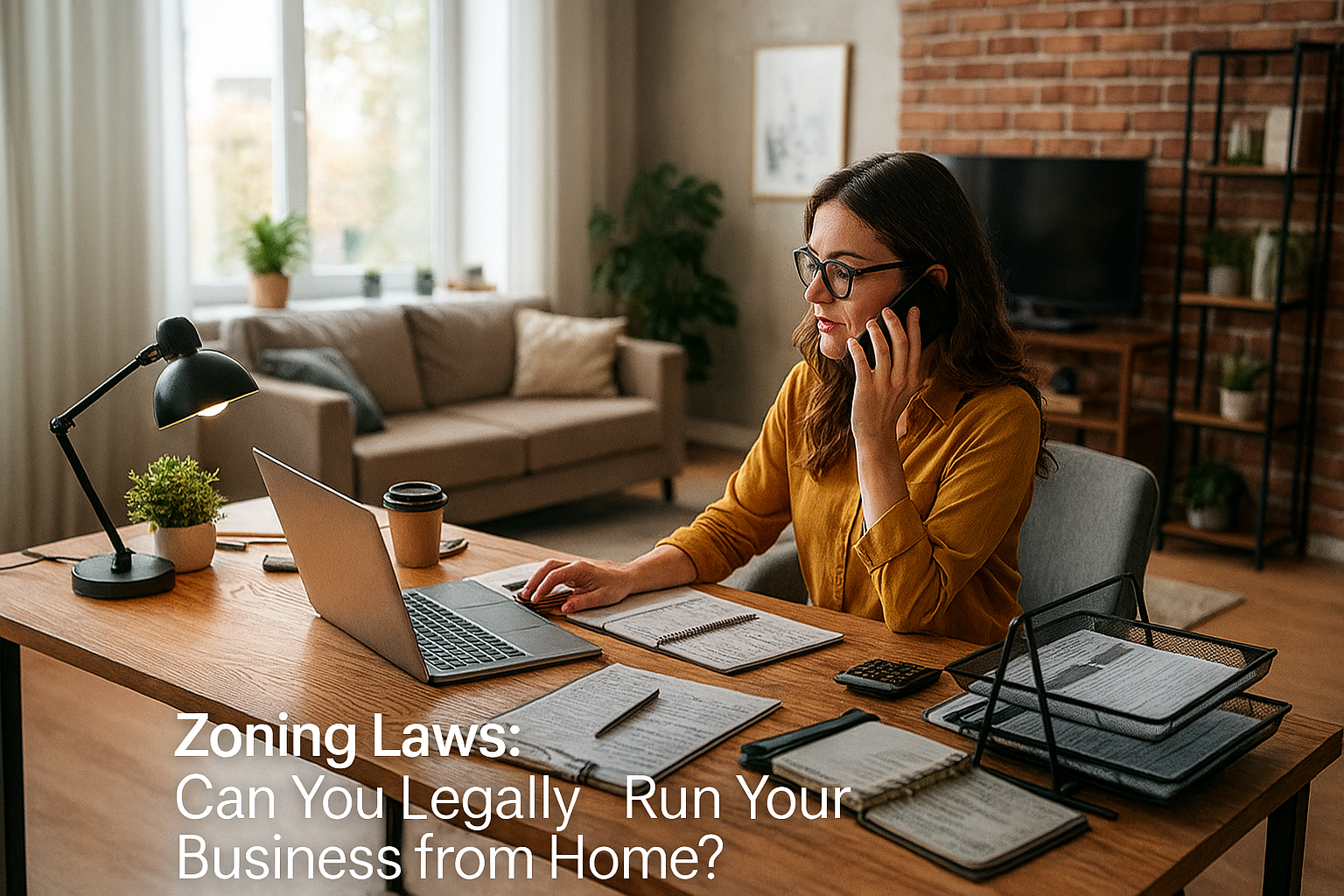
Working from home has gained immense popularity, leading many entrepreneurs to transform their living spaces into productive business hubs. However, before launching your home-based business, it’s essential to understand local zoning laws that impact home business operations. Converting your living room or garage into an office can be exciting, but conflicting zoning regulations can derail your plans and result in unexpected fines.
Understanding the Basics of Zoning Laws
Zoning laws are municipal regulations that dictate how land and buildings can be used in specific areas. Their main purpose is to separate commercial, residential, and industrial zones to maintain community order. These rules help prevent disruptions such as increased traffic, noise, or environmental issues that could arise from business activities in residential neighborhoods.
For entrepreneurs, knowing the zoning laws for home business operations can be the key to a smooth launch and sustainable growth. In many regions, home-based businesses are permitted under certain conditions. However, meeting the legal requirements for running a business from home is critical to avoid complications. You might also find valuable insights in our article on Home Occupation Permits, which discusses the regulatory considerations for home businesses.
Navigating Local Zoning Regulations
Before you establish your business at home, contact your local planning or zoning department. These offices provide the most current information on zoning regulations in your area. Rules can vary significantly from one area to another; some locations offer flexibility for small-scale operations, while others have more stringent restrictions.
Ask important questions like: What types of businesses are allowed in residential neighborhoods? Are there limitations on signage or restrictions on customer visits during specific hours? Understanding these details will help you achieve home-based business zoning compliance and avert potential legal challenges.
For additional insights, consider reading articles from trusted sources like Entrepreneur. These resources offer examples of successful home-based businesses that have effectively navigated local zoning challenges.
Meeting Legal Requirements for Home Business Operations
Compliance with legal requirements for running a business from home involves more than just obtaining proper zoning clearance. It’s about meeting various standards, including:
- Business licenses and permits: Depending on your industry and location, you may need specific licenses or permits, from sales tax permits to health and safety inspections.
- Home Occupation Permits: Many municipalities require a special permit for operating a business from a residential property. This permit details what is allowed and outlines any restrictions specific to your business type.
- Insurance policies: Standard homeowner’s insurance may not cover liabilities associated with business activities. Additional business insurance can protect against potential risks tied to home-based operations.
Staying proactive and well-informed can save you time and money. Each legal requirement not only protects your business but also safeguards the well-being of the local community.
Strategies for Successful Zoning Compliance
Transitioning to a home-based business model requires thorough planning and research. Consider these strategies to ensure your operations comply with local regulations:
1. Conduct Early Research: Investigate zoning restrictions before you launch your business. Review all relevant local zoning laws and reach out to local authorities to clarify any questions. This proactive approach can help identify issues before they become major obstacles.
2. Adjust Your Business Model if Necessary: If you find that local laws restrict certain activities, consider modifying your operational strategy. This might mean shifting operations online, reducing in-home customer visits, or combining your home base with a nearby co-working space.
3. Seek Professional Guidance: Consulting with a local attorney or business advisor with expertise in zoning laws can be invaluable. These professionals can help you navigate bureaucratic challenges and ensure your business meets all legal requirements for home-based operations.
4. Engage with Your Community: Talk with your neighbors about your home-based business plans. While their opinions won’t change zoning laws, a supportive community can help reduce complaints and foster a positive business environment.
For more assistance, explore the resources available at Make Business Guides. Their expert advice and comprehensive materials can help you address the challenges of setting up and maintaining a successful home-based business.
Weighing the Pros and Cons
Running a business from home offers many advantages, such as greater control over your work environment, reduced commercial rental expenses, and increased flexibility for balancing work and life. However, the legal and regulatory responsibilities of converting your home into a professional workspace must not be overlooked.
In regions with strict zoning enforcement, even minor violations can lead to fines or, in severe cases, force a shutdown of your operations. This can be particularly challenging for small business owners managing tight budgets.
Additionally, not every business is ideally suited for a home setting. High-traffic retail stores, manufacturing activities involving hazardous materials, or operations that require frequent customer visits may not meet the criteria for home-based business zoning compliance.
Entrepreneurs considering a home-based business should carefully assess how their operations align with local zoning laws. This evaluation helps balance the benefits of working from home with legal and community requirements. More details on this topic can be found in our piece on Local Zoning Regulations, which further explores compliance strategies.
In summary, when building your enterprise from home, be aware of both the opportunities and challenges associated with home-based business operations. Making informed decisions regarding zoning laws not only protects your business but also lays the foundation for a compliant and sustainable business model.
By integrating diligent research and planning into your business strategy, you contribute to a thriving entrepreneurial community where innovation and regulatory compliance go hand in hand. Next steps might include visiting your local planning department, consulting a zoning expert, and revising your business plan to reflect local guidelines.
Home business success depends on more than market potential or innovative products—it requires effectively navigating the regulatory landscape. Through careful research and adherence to zoning compliance standards, you set your home-based business up for long-term success without unexpected legal challenges.
- Understand local zoning regulations and their impact on your home-based business.
- Review legal requirements, including permits and licenses, for running a business from home.
- Consult local authorities and professionals to ensure compliance with home business zoning laws.
- Balance the advantages of home-based operations with the responsibility of adhering to community regulations.