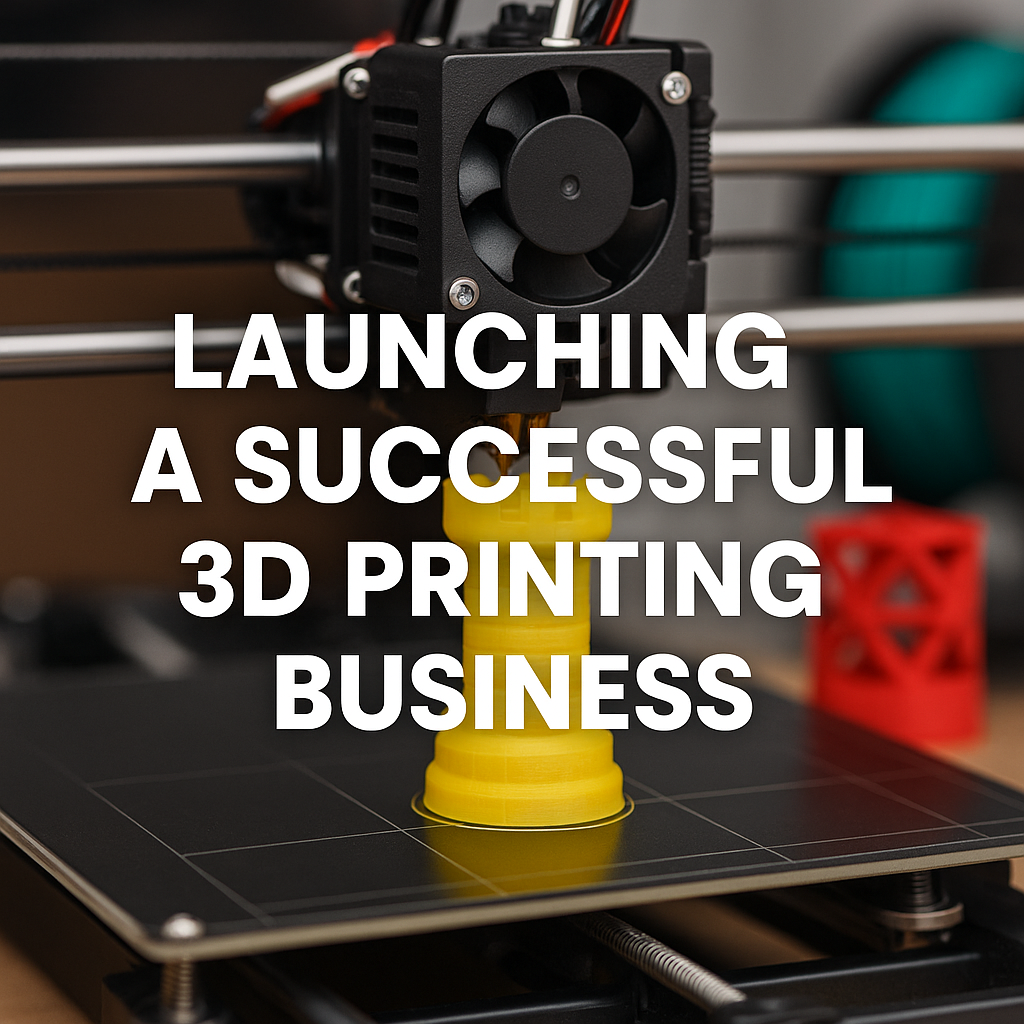
In today’s fast-paced economy, cutting-edge technology and entrepreneurial flexibility are driving many innovators to the world of 3D printing. Whether you’re a tech enthusiast or a small business owner looking to diversify, entering the 3D printing arena offers endless opportunities in a dynamic and rapidly evolving industry.
Understanding the Landscape of 3D Printing
The rise of 3D printing has revolutionized traditional design and production processes. Thanks to advanced technology, you can quickly create prototypes, produce bespoke products, and execute small-scale manufacturing on demand. With this growing trend, more entrepreneurs are exploring ways to start a profitable 3D printing business.
Our comprehensive guide on launching a successful 3D printing business offers key insights into market trends, emerging technologies, and proven revenue models. With strong demand across sectors like healthcare and automotive, you can tailor your offerings to meet specific needs, ensuring lasting value for your customers.
3D printing is not limited to prototyping—it now supports diverse applications including small-batch production, personalized consumer products, and architectural models. This versatility allows your business to adapt to changing market requirements and expand over time.
Crafting a Business Model That Works
Every successful venture begins with a well-defined business model. When planning your 3D printing business launch, start by clarifying your value proposition. Ask yourself what unique problem you are solving and how your solution stands apart from existing alternatives. This clarity will attract clients and pave the way for steady growth.
Deciding whether to focus on local markets or expand globally will impact your business operations. Consider the initial investments required in equipment and training, and remain adaptable to keep pace with rapid technological changes. Continuous learning and strategic training are essential for long-term competitiveness.
Researching the competitive landscape helps you identify untapped niches and geographic areas. Partnering with local educational institutions or technical groups can create mutually beneficial relationships that enhance technology access and boost market exposure.
Building a Step-by-Step 3D Printing Business Launch Plan
Starting a profitable 3D printing business requires careful planning and a clear roadmap. A comprehensive launch plan should include both short-term objectives and long-term goals. Consider these key steps:
- Market Research and Feasibility: Begin by evaluating market demand. Analyze customer segments, pricing strategies, and major industry players. Utilize reputable resources like Forbes or Entrepreneur to stay updated on industry trends.
- Technology and Equipment: Invest in scalable technology that meets your business needs. Choose from various 3D printing technologies—FDM, SLA, or SLS—based on the specific applications you intend to pursue. Explore the benefits of the latest 3D printing technologies to ensure you are equipped for success.
- Business Model and Funding: Determine your pricing strategy, whether it’s cost-plus, subscription-based, or project-based fees. Plan your initial investments and explore funding options such as grants or small business loans.
- Location and Infrastructure: Secure a suitable physical space that supports your operational requirements. Consider a dedicated workshop or co-working space that can grow along with your business.
- Regulations and Licensing: Stay informed about local intellectual property laws and safety standards. Compliance not only protects your business but also builds trust with your clients.
- Marketing and Branding: Build a strong digital presence and a compelling brand narrative from the start. Leverage SEO strategies by incorporating keywords such as “launching a successful 3D printing business” and “how to start a profitable 3D printing business.” For more insights, visit Make Business’s website.
This structured 3D printing business launch plan allows you to address every aspect of your startup journey, manage risks effectively, and adjust strategies as market conditions evolve.
Navigating the Challenges and Opportunities
Launching a 3D printing business in a technology-driven field presents unique challenges. Entrepreneurs must be prepared for stiff competition and the rapid pace of innovation. Staying updated with new materials and printer capabilities is essential for maintaining a competitive edge.
Investing in continuous improvement, such as attending industry conferences and participating in online forums, ensures you remain at the forefront of emerging trends. Balancing initial costs with anticipated returns can be challenging, but well-planned investments in equipment, maintenance, and research pay off in the long run.
Diversifying your revenue streams can help mitigate market volatility. Consider offering design consulting services, establishing on-demand manufacturing lines, or even developing proprietary printing materials. These innovative approaches further enhance your business’s resilience and potential for long-term growth.
Digital marketing strategies, particularly search engine optimization (SEO), are crucial for ensuring potential clients find your services online. Naturally incorporate keywords such as “successful 3D printing business guide,” “profitable 3D printing business,” and “step-by-step 3D printing business launch plan” within your content to attract targeted traffic. Additionally, learn more about digital marketing strategies to boost your online visibility.
Networking with industry professionals also plays a significant role. Join local business groups or online forums to forge partnerships, gain insights into industry trends, and showcase your expertise. With strong analytics, proactive marketing, and a diversified portfolio, you are well-positioned for sustained success.
Remember, flexibility is key in a dynamic market. By planning strategically and staying adaptable, your business can quickly pivot to meet technological advancements and shifting market demands, building a brand synonymous with quality, innovation, and reliability.
Embarking on the journey where technology meets creativity can be challenging, but with determination and the right strategy, your 3D printing business is poised for success. Thorough research, smart investments, and a commitment to quality will help you navigate the competitive landscape and achieve your entrepreneurial dreams.
- Conduct thorough market research to understand evolving trends in 3D printing.
- Develop a clear, diversified business model to manage investments and boost revenue.
- Stay updated with technology and digital marketing strategies for long-term competitiveness.
- Engage in continuous learning and networking to build a resilient foundation for growth.