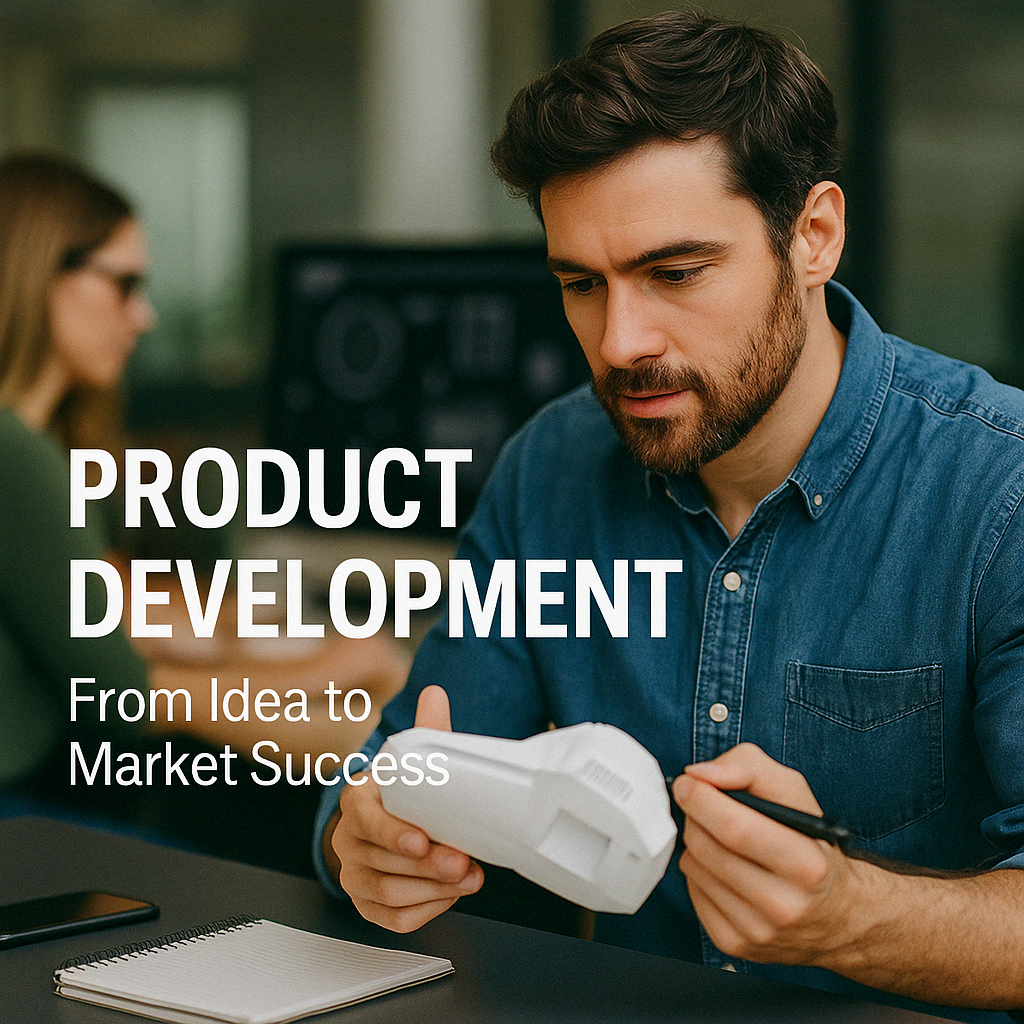
Every entrepreneur dreams of transforming an innovative idea into a thriving business asset. Turning a concept into a market-winning product requires a strategic, well-planned journey. While inspiration is essential at the beginning, a realistic and structured roadmap is crucial for achieving lasting success in the marketplace. If you need a step-by-step guide for taking your product from idea to market triumph, you’re in the right place. This article details the product development process and offers a comprehensive roadmap to help you succeed.
Defining Your Vision and Strategy
Before diving into detailed planning, it is vital to clearly define your product vision and business strategy. This foundational phase informs every decision that follows. Start by asking critical questions: What problem are you solving? Who is your target audience? How does your idea align with current market trends? Answering these questions will guide your product development process from idea to market success.
Develop your product vision through thorough market research, competitor analysis, and feasibility studies. These steps not only validate your concept but also highlight unique selling points (USPs) that set your product apart. Entrepreneurs and small business owners can leverage insights from resources like Entrepreneur magazine to understand market dynamics and emerging trends.
Consider collaborating with industry experts or using platforms like Innovative Business Insights to refine your approach. A well-articulated strategy will serve as your blueprint, ensuring every decision aligns with your ultimate goal of market success.
Building a Step-by-Step Guide to Product Development for Market Launch
Breaking the product development journey into manageable steps is key to transforming an idea into market success. Although the process can be complex, a clear roadmap simplifies execution. Below are the essential phases to include in your comprehensive product development plan.
1. Ideation and Concept Development
This stage is where creativity meets practicality. Brainstorming sessions, focus groups, and initial prototypes help transform a vague idea into a clear concept. Engage potential customers through surveys and social media to refine your idea and ensure it resonates with your audience. Early feedback is critical and sets the stage for a successful product development process.
2. Planning and Feasibility Analysis
With a refined concept in hand, it’s time to plan the details. This phase involves assessing technical feasibility, resource requirements, and market positioning. Prepare detailed roadmaps and project plans that include budgets, timelines, and key performance indicators. By anticipating challenges and planning meticulously, you lay a solid foundation for your journey to market success.
Utilize tools like SWOT analysis (Strengths, Weaknesses, Opportunities, Threats) to gain insights. Consider potential market disruptions and prepare contingency plans. This thorough planning is crucial for ensuring that your product development process from idea to market success is resilient and well-prepared.
3. Design, Development, and Testing
At this stage, your idea begins to take physical form. Work closely with designers, developers, and engineers to create a prototype that embodies your vision. Emphasize a superior user experience and robust functionality, while incorporating feedback to refine the product continuously.
Testing is an ongoing process. Whether you conduct alpha and beta testing or user acceptance tests (UAT), every round of feedback should lead to improvements. The aim is to ensure your product not only meets but exceeds customer expectations when it reaches the market.
4. Market Preparation and Launch
Successful product launches require comprehensive preparation. Beyond generating buzz, ensure that logistics, customer service, and product support are fully in place. Develop a robust marketing plan that integrates digital campaigns, social media strategies, and influencer partnerships. A well-crafted market entry strategy is vital for a successful launch.
Now is the time to equip your internal teams. Sales, support, and technical staff must be well-versed in the product’s features and benefits. Consider hosting internal webinars and training sessions so that everyone is aligned when addressing customer queries. A seamless launch is driven by these critical preparatory activities, ensuring your product is well-received from day one.
Navigating Post-Launch Growth and Adaptation
The launch is just the beginning. Post-launch efforts focus on monitoring performance, collecting user feedback, and making continuous improvements. Remaining agile and ready to adjust your product or business model in response to market demands is essential.
Success metrics extend beyond initial sales. Incorporate measures such as customer retention, user engagement, and net promoter scores (NPS) into your evaluation process. Data-driven insights can guide future updates and iterations, ensuring your product development process from idea to market success remains dynamic and effective.
This post-launch phase is also an ideal time to seek strategic partnerships or additional funding opportunities. Whether scaling up or pivoting, long-term planning is essential to sustain your product’s success in evolving markets.
Entrepreneurs and small business owners can greatly benefit from ongoing learning and adaptation. Participating in industry forums, webinars, and communities provides valuable perspectives. Resources like Make Business offer insights that empower you to make informed strategic decisions tailored to your market niche.
Recognize that product development is a continuous journey. Every improvement adds value to your brand’s reputation. By harnessing customer feedback and industry insights, you not only stay ahead of the curve but also pave the way for sustained market success.
Following these structured steps and ensuring meticulous planning and execution at every stage will transform your innovative ideas into successful products. Whether you’re just starting or refining an existing product, clarity, strategy, and flexibility will ensure your journey from idea to market success is as rewarding as the destination. Stay passionate, keep learning, and always deliver exceptional value.
- Establish a clear vision and robust strategy aligned with market needs.
- Follow a detailed, step-by-step guide to product development for a successful launch.
- Continuously iterate and improve based on testing and user feedback.
- Prepare comprehensively for post-launch growth for lasting market success.