Embracing the Power of Collaboration
Success in business is not just about having a great idea or a reliable product—it’s about uniting people and cultivating an environment where each team member’s unique skills contribute to a shared vision. In today’s competitive marketplace, entrepreneurs and small business owners are constantly seeking ways to boost productivity and drive innovation. Prioritizing teamwork and implementing effective team-building strategies can lead to a resilient, thriving company culture.
Team building is more than organizing retreats or team lunches; it is a strategic process that strengthens interpersonal relationships, promotes clear communication, and fosters a creative work environment. In such a space, employees feel empowered to share ideas and challenge the norm, paving the way for innovative business practices.
A highly engaged team is the backbone of any successful organization. When individuals collaborate harmoniously, they generate synergies that spark innovation and consistent performance. For small business owners with limited resources, investing in a cooperative work culture can yield significant returns.
Effective Approaches to Team Building
Clear and transparent communication is the foundation of effective team building. For many entrepreneurs, open dialogue across all organizational levels is not just beneficial—it’s essential. Regular check-ins and team meetings allow everyone to share ideas and address concerns, creating an atmosphere of mutual respect and accountability.
Consider hosting structured brainstorming sessions that encourage team members to discuss challenges and share creative solutions. These sessions, with clearly defined objectives, promote a cohesive approach to problem-solving and drive collective success.
Clarifying roles is another vital strategy. When each team member understands their responsibilities and how their work supports the overall mission, it builds accountability and uncovers hidden talents. This targeted approach boosts productivity and develops high-performing collaborative teams.
Integrate professional development opportunities like workshops and training sessions to enhance both interpersonal and technical skills. Led by external experts or experienced internal leaders, these sessions not only enrich your workforce but also contribute to your team members’ career growth.
Nurturing an Environment That Thrives on Trust and Mutual Respect
Building a collaborative work environment doesn’t happen overnight. It requires leadership commitment to create a culture that is both supportive and challenging. Trust is the cornerstone of any successful team, and it begins at the top.
Leaders should not only advocate for collaboration but also model it consistently. Encouraging transparent feedback, whether positive or constructive, can significantly enhance team performance by addressing issues before they escalate.
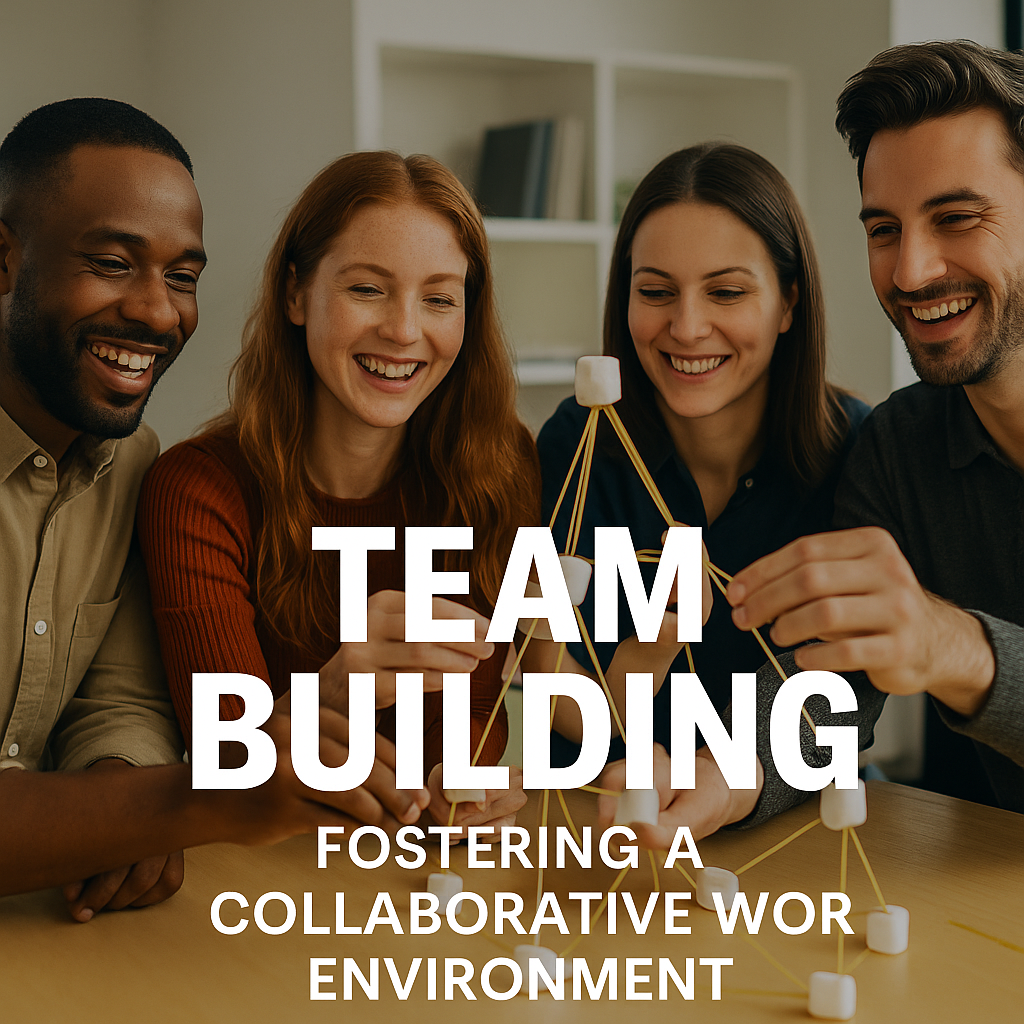
Team-building exercises that reveal the group’s strengths and weaknesses are also valuable. Whether through outdoor challenges or problem-solving games, these activities help team members understand diverse working styles, leading to improved communication and stronger bonds.
Recognizing both individual achievements and team successes is essential for building morale and encouraging a culture of shared celebration. This supportive environment motivates employees to take calculated risks, push creative boundaries, and strive for excellence without fear of failure.
Practical Tips for Cultivating a Collaborative Culture
Entrepreneurs and small business owners can adopt several actionable strategies to enhance team building:
- Schedule regular team-building activities to keep your team motivated and engaged.
- Create cross-functional teams to leverage diverse perspectives for effective problem-solving.
- Invest in technology tools like project management software and communication platforms to streamline collaboration.
- Offer continuous learning opportunities to help team members master new skills and adapt to evolving challenges.
Implementing these initiatives is just the beginning. Continuously assess their impact and be open to adjustments as your business grows. Dynamic strategies that evolve with market demands ensure sustained team success.
Embracing digital platforms can further enhance remote collaboration and project tracking, keeping your team connected no matter their location. This integration of modern technology reinforces a sense of unity and shared purpose.
For valuable insights on team building and collaborative success, explore platforms like Forbes. These resources emphasize the importance of agility and adaptability in today’s fast-paced business environment.
Building Sustainable Success Through Team Cohesion
Fostering collaboration means breaking down silos and building strong bonds among team members. Whether you are a startup founder or an experienced business owner, investing in team cohesion will pay dividends over time.
Begin by evaluating your workplace culture. Identify communication gaps and areas where misunderstandings disrupt project flow. Use surveys, one-on-one meetings, and informal gatherings to gain insights and pinpoint areas for improvement.
Once you understand your team’s dynamics, design targeted interventions. This might include restructuring projects to promote collaboration or organizing team mixers in a relaxed setting. Establish mentorship programs where experienced staff guide newer members, blending personal development with operational success.
Beyond structured activities, encourage spontaneous interactions by designing workspaces that promote communication. Open-plan offices, communal breakout areas, and quiet zones can all foster a culture of continuous learning and strong team rapport.
Entrepreneurs can also benefit from consulting specialized resources on business growth and team management. For example, visit Comprehensive Business Growth Insights for practical guidelines and success stories that can inspire innovative approaches in your organization.
Ultimately, building a collaborative work environment is an ongoing journey of experimentation, learning, and adaptation. The rewards—enhanced productivity, greater creativity, and a motivated workforce—are well worth the effort.
By focusing on developing interpersonal skills, fostering open communication, and celebrating team achievements, you can create an organization where every member feels valued and trusted. This synergy not only drives business success but also shapes a vibrant company culture that endures.
As you continue your entrepreneurial journey, remember that strong teams are built on mutual respect, transparent communication, and a shared vision. By championing these values, you not only improve operations but also inspire your team to achieve excellence.
- Prioritize open communication and regular feedback to enable genuine collaboration.
- Invest in team-building exercises and training sessions to enhance both personal and professional skills.
- Leverage technology and thoughtful workspace design to foster spontaneous interactions and teamwork.
- Create a culture of trust and recognition where team successes are celebrated collectively.