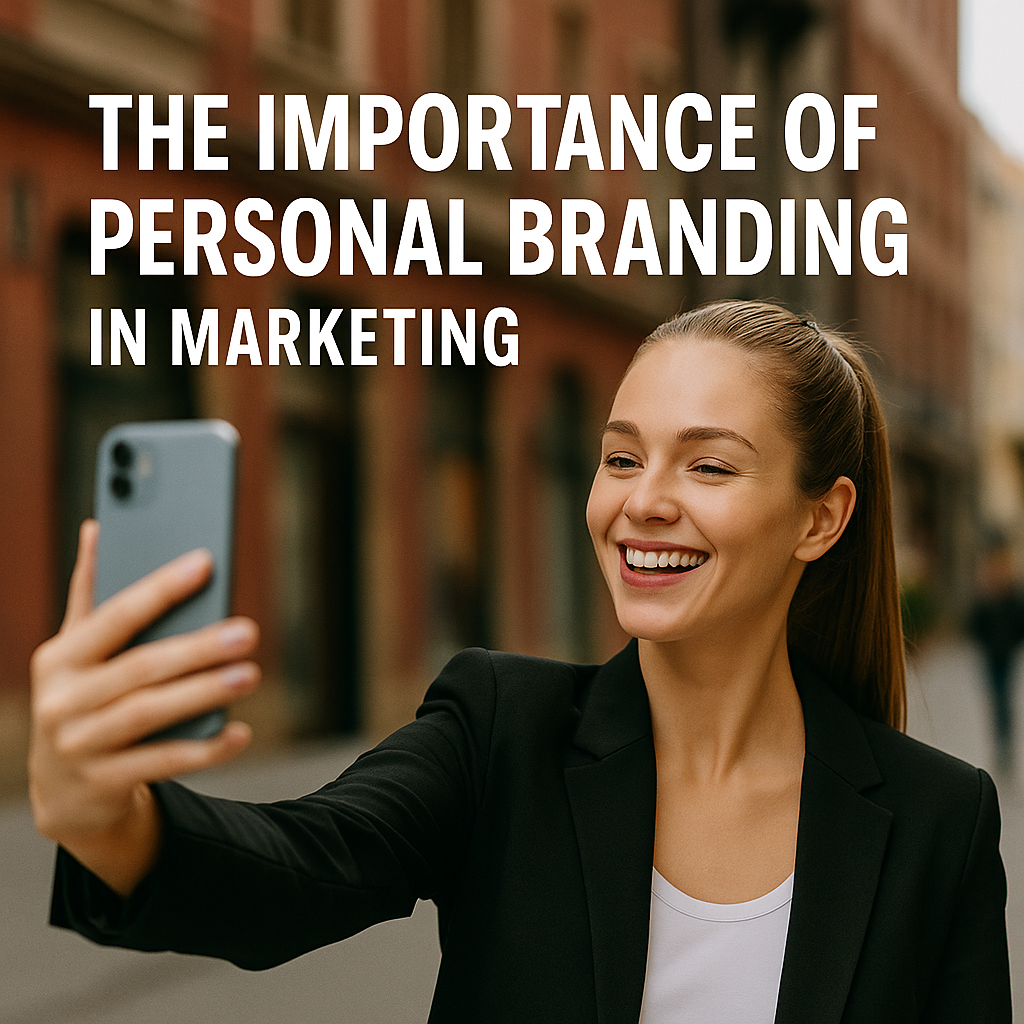
Entrepreneurs and small business owners understand that the market is constantly evolving. One of the most powerful tools to stay competitive today is personal branding. In our digital age—where trust and authenticity are paramount—recognizing the importance of personal branding in digital marketing is essential. A well-defined personal brand not only sets you apart from competitors but also deepens your connection with your audience, fosters lasting relationships, and drives sustainable growth.
Understanding the Digital Landscape Through Personal Branding
In an increasingly crowded digital arena, standing out can be challenging. The rise of social media, influencer culture, and personalized content has elevated personal branding into a strategic business asset. A compelling personal brand tells a story that goes beyond your products or services—it reflects your vision, values, and unique narrative.
Expressing who you are and what you stand for helps your audience connect with you on a deeper level, turning casual visitors into loyal customers. Whether you’re sharing your journey on social media or creating blogs and videos, remember that personal branding is about showcasing authenticity. How you present yourself online influences perceptions and builds credibility, making it a cornerstone of modern digital marketing strategies.
For example, Forbes highlights how business leaders leverage personal branding to craft compelling stories that resonate with audiences, driving engagement and fostering trust.
Personal Branding Strategies for Marketing Success
Every entrepreneur can benefit from proven personal branding strategies for marketing success. Consider these actionable tactics to elevate your brand:
- Define Your Unique Value Proposition: Identify your strengths, core values, and the unique solutions you offer. Ask yourself, “What problem do I solve that no one else does?” Your unique value proposition is the foundation of your personal brand narrative.
- Leverage Social Media Thoughtfully: Use social media platforms to highlight your personality and expertise. Engaging with your community, sharing insights, and revealing behind-the-scenes moments will humanize your brand and build trust.
- Create Valuable Content: Regularly produce high-quality content—whether through blogs, videos, or podcasts—to establish yourself as a thought leader. Focus on addressing your audience’s challenges and providing relevant insights.
- Maintain Consistency: Consistency in storytelling, visuals, and messaging fortifies your brand over time. Ensure that your email signatures, profile images, and tone across all communications align with your brand identity.
Implementing these strategies will not only make your brand memorable but also cultivate a loyal following that trusts your expertise and supports your business growth. For further guidance, check out our post on Personal Branding Strategies for Marketing Success.
For additional perspectives on business development, explore resources at business development insights, where industry trends and expert advice are readily available.
Building a Strong Personal Brand for Marketing Success
In today’s marketing landscape, building a strong personal brand for marketing success means more than just increasing online visibility—it involves cultivating a reputation that reflects both your professional and personal integrity. Consider these practical steps:
Embrace Authenticity: Authenticity is the heartbeat of any effective brand strategy. Instead of conforming to expectations, let your true personality shine through. Authenticity builds trust, which is critical for long-term customer relationships.
Invest in Professional Development: Stay ahead of industry trends and continuously refine your skills. Engaging in online courses, workshops, or networking events not only keeps you relevant but also enhances the quality of the advice and services you offer.
Engage With Your Audience Personally: Digital marketing can be personable. Respond to comments, participate in discussions, and share user-generated content to humanize your brand and foster community.
Monitor and Adapt: The digital landscape is dynamic. Use analytics to assess the performance of your content and tweak your approach accordingly. This ongoing process ensures that your brand remains fresh, engaging, and effective at attracting new customers.
Discover additional insights on creating a cohesive image by visiting our article Building a Strong Personal Brand.
Integrating Your Personal Brand with Business Objectives
Aligning your personal brand with your business goals is crucial. When your messaging and strategies mirror your overall business objectives, you create a cohesive narrative that enhances customer trust. Think of your brand story as one crucial part of a broader ecosystem that includes product offerings, customer service, and company culture.
For instance, if you aspire to be viewed as an industry innovator, your online content should consistently reflect forward-thinking ideas and solutions. Every post, video, or comment should interweave to build credibility and inspire confidence in your potential customers.
This holistic approach is particularly important for small business owners who often juggle multiple roles. By seamlessly integrating your personal brand with your business operations, you ensure that every customer interaction reinforces who you are and what your company represents.
Measuring the Impact of Your Personal Brand
The advantages of a robust personal brand include heightened customer loyalty and improved marketing conversion rates. However, it is equally important to measure the effectiveness of your efforts.
Begin by establishing clear metrics such as social media engagement rates, website traffic from content marketing, or direct inquiries about your services. Regular monitoring allows you to refine your campaigns, ensuring that every digital touchpoint contributes to your brand’s growth.
Soliciting feedback from your audience can also provide valuable insights into the strengths and weaknesses of your brand strategy. Over time, this feedback helps you evolve your approach, solidifying your position as an industry leader.
Remember, personal branding is a continuous journey. By adapting your strategies based on performance and feedback, you can fine-tune your marketing approach to ensure your brand not only survives but thrives in a competitive market.
In today’s digital ecosystem, aligning your personal identity with your business objectives can be a game changer. Investing in a personal brand that authentically represents you lays the groundwork for all future marketing efforts. This approach not only deepens resonance with your existing audience but also attracts new connections, partnerships, and opportunities for growth.
Personal branding is a blend of professional achievements, personal stories, and ongoing market evolution. Entrepreneurs who embrace this comprehensive strategy enjoy enhanced visibility and garner the trust of a diverse customer base, translating a strong personal presence into tangible business success.
The deliberate crafting of your personal brand deepens audience connections, reinforces your credibility, and anchors your marketing initiatives in authenticity and expertise. Whether you are just starting or redefining your strategy, remember that your personal story is a powerful asset in digital marketing.
- Authenticity and consistent messaging are essential for effective personal branding.
- Leverage social media and high-quality content to build strong, trusted relationships.
- Integrate personal branding efforts with your overall business goals for cohesive messaging.
- Regularly measure and adapt your strategies to maintain a dynamic online presence.