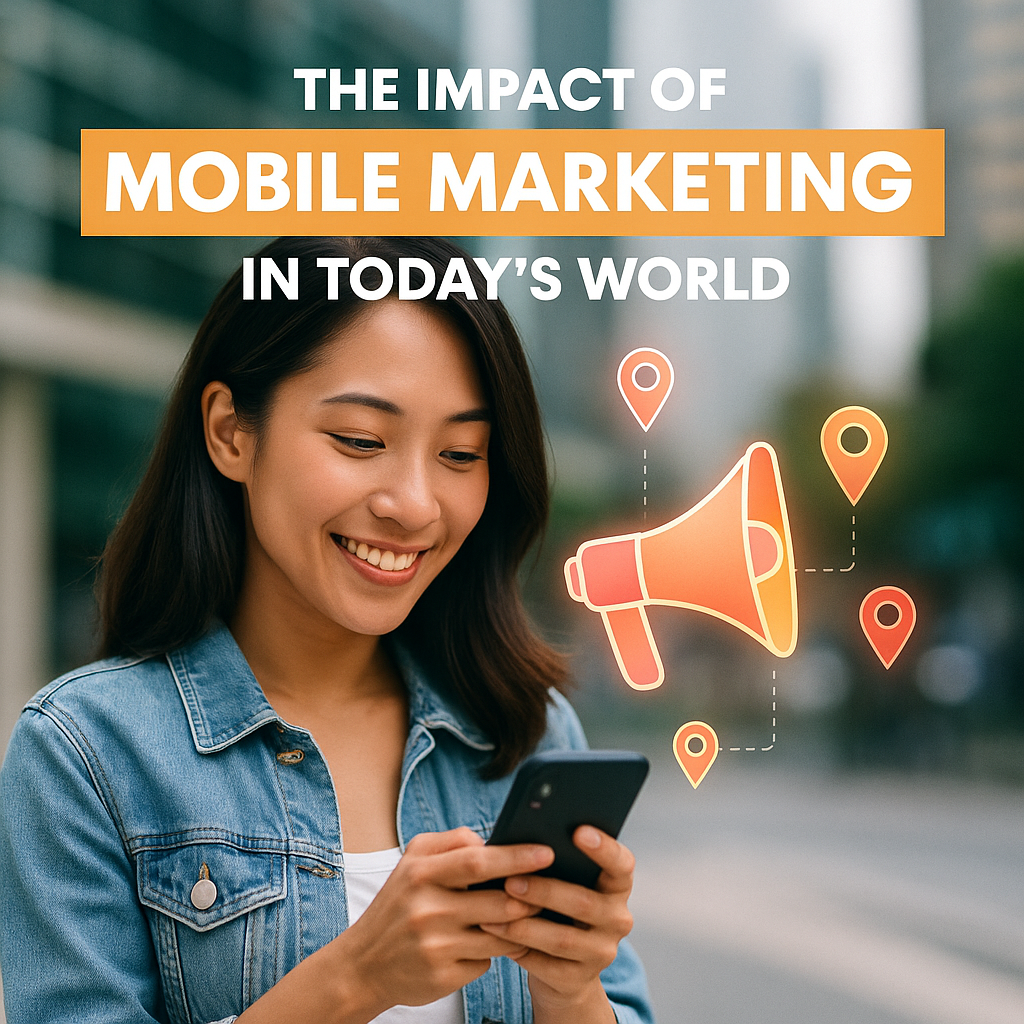
In our fast-paced digital era, smartphones play a pivotal role in our everyday activities—from communication and content consumption to purchasing decisions. Entrepreneurs and small business owners are increasingly turning to mobile marketing strategies to meet consumer demands and drive business growth. By embracing innovative mobile marketing techniques, companies can forge personal connections with their audiences, boost engagement, and build lasting relationships.
The Evolution of Mobile Marketing
Mobile marketing has dramatically evolved over the past decade. In its early days, SMS campaigns and static banner ads were the norm. Today, technological advancements have paved the way for interactive, dynamic, and personalized mobile experiences. This evolution is driven by the widespread adoption of smartphones, the rise of social media, and the increasing sophistication of mobile apps.
Changes in consumer behavior have further accelerated this transformation. Modern users demand convenience, immediacy, and relevance in every brand interaction. As a result, marketers are designing mobile campaigns that quickly capture attention while delivering clear value. Research highlights the impact of mobile marketing on consumer behavior, showing that customers are more responsive to mobile offers and advertisements compared to traditional media.
Understanding the Effect of Mobile Advertising on Digital Consumer Engagement
The power of mobile advertising lies in its seamless integration into consumers’ daily routines. Imagine a user checking notifications, reading emails, or scrolling through social media—all while on the move. This is where the effect of mobile advertising on digital consumer engagement becomes clear, as savvy brands craft campaigns tailored specifically for the mobile environment.
Mobile ads have evolved beyond simple banner placements. They now offer interactive experiences, shoppable content, and even augmented reality features. A compelling mobile ad can prompt immediate action—whether it’s signing up for a newsletter, completing a purchase, or delving into additional content. Platforms like Instagram, Facebook, and TikTok provide targeted advertising options that enable businesses to geo-target audiences, personalize messages, and monitor performance in real time.
This digital shift transforms every ad impression into an opportunity to build brand awareness and foster loyalty. Recent studies, including those featured in Forbes, indicate that well-executed mobile campaigns can significantly enhance customer engagement, proving the effectiveness of customized mobile strategies.
Mobile Marketing Strategies for Business Growth
For entrepreneurs and small business owners, adopting the right mobile marketing strategies for business growth is crucial. It’s not enough to have a mobile-friendly website or an app; success lies in an integrated approach that aligns with your overall digital strategy. Consider these tactics employed by successful businesses:
- Responsive Design: Optimize your website for various mobile devices. A responsive design improves usability and positively impacts search engine rankings.
- SMS and Push Notifications: Send timely, relevant messages directly to users’ devices to boost engagement and drive sales. Use these tools for flash sales, special promotions, and personalized recommendations.
- Location-Based Marketing: Leverage GPS and geofencing to deliver localized offers. For example, a nearby restaurant can send discount coupons to potential customers in the area, increasing foot traffic and sales.
- Social Media Integration: Integrate social media into your mobile strategy to enhance interaction and create shareable content that boosts brand visibility.
Consider embedding clickable links in your mobile ads that connect consumers to valuable resources such as insightful business articles or product pages. This approach enriches the user experience, encourages deeper engagement, and guides the customer journey from awareness to conversion.
Keeping Up With the Trends
To succeed in mobile marketing, staying current with emerging trends is essential. Here are some developments to watch in the coming years:
Voice Search Optimization: With the growing use of voice-activated assistants and smart speakers, optimizing content for voice search is a must. Businesses that cater to voice search queries can attract tech-savvy consumers.
Interactive and Immersive Content: Augmented reality (AR) and virtual reality (VR) are reshaping mobile advertising. Interactive experiences that allow users to virtually try products or immerse themselves in brand storytelling are rapidly gaining momentum.
Data-Driven Personalization: Artificial intelligence (AI) is helping brands analyze consumer data to deliver personalized content. By understanding user behavior, marketers can create targeted mobile campaigns that resonate with specific audience segments.
Cross-Platform Consistency: Consumers expect a seamless experience across mobile apps and desktop sites. Consistent messaging, branding, and functionality across platforms are crucial for maintaining consumer trust and engagement.
Adaptability is key in this dynamic landscape. Businesses must not only implement effective mobile strategies but also continually analyze performance data and adjust tactics in response to evolving consumer preferences and technological advancements.
How Mobile Marketing Shapes Consumer Behavior
The modern consumer is informed, discerning, and constantly on the move. The impact of mobile marketing on consumer behavior is evident in several ways. Mobile marketing has redefined shopping habits, enabling on-the-go purchases and instant product research. With just a few taps, users can read reviews, compare prices, and discover the best deals.
Mobile-centric campaigns also facilitate real-time interactions. Brands can now initiate conversations with customers through chatbots, live support, or interactive social media posts, fostering trust and creating a personalized customer experience.
Additionally, mobile apps are transforming loyalty programs. Digital rewards enable consumers to track and redeem loyalty points effortlessly, while businesses gain insights that help refine their marketing strategies.
Personalized mobile marketing delivers tailored content based on user preferences and past behavior. This approach transforms generic ads into valuable, customized communications that speak directly to individual needs and aspirations.
Charting the Path Forward
Decisions made today regarding mobile marketing strategies will shape the future growth of your business. Crafting compelling mobile experiences isn’t just about adopting the latest technology—it’s about building deeper connections with your audience. Effective mobile marketing transforms customer interactions from simple transactions into memorable brand experiences.
To remain competitive, business leaders must blend innovative technology with a deep understanding of their audience. Whether launching a new product or refining an existing strategy, consider how each campaign can tap into the vast potential of mobile channels.
This integration of technology and strategy represents a shift in mindset that prioritizes consumer convenience and personalization. By combining storytelling with data-driven techniques, brands can build strong relationships, generate high-quality leads, and drive sustainable long-term growth.
As the mobile landscape evolves, the lessons learned from early campaigns remain valuable blueprints for future success. Embracing change, staying adaptable, and continuously exploring new approaches are essential to mastering the mobile revolution.
- Consumers now expect immediate, personalized, and convenient interactions.
- Innovative mobile campaigns significantly enhance digital consumer engagement.
- Entrepreneurs must continually refine mobile marketing strategies to stay ahead of trends.
- Aligning mobile initiatives with overall business goals drives sustainable growth.


