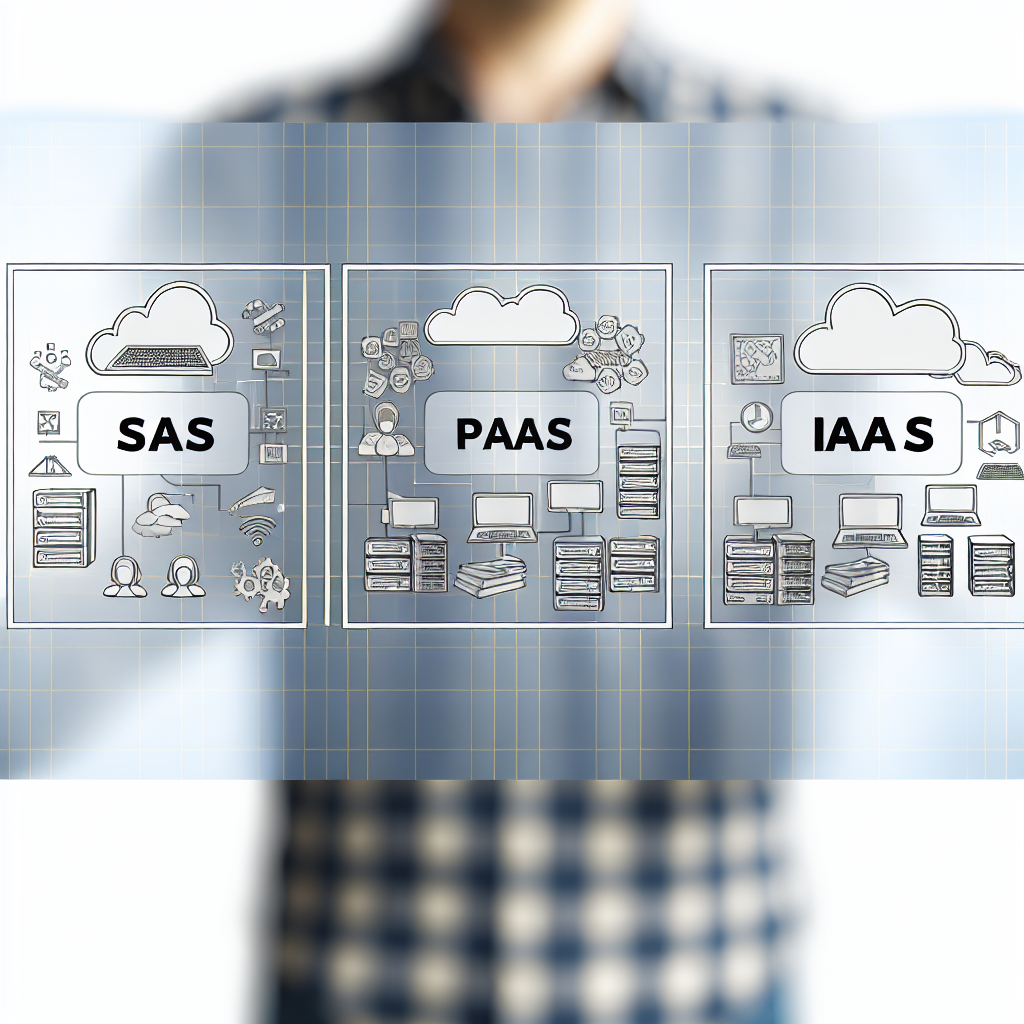
Cloud services are transforming modern business by offering flexibility, scalability, and cost-effective solutions for companies of all sizes. For entrepreneurs and small business owners seeking to streamline operations and scale without heavy upfront investments, understanding cloud computing is crucial. Many have leveraged these services to optimize costs, as shown in How to Start a Business with No Money.
Embracing Cloud Computing
Cloud computing is far more than a trending term—it delivers computing resources such as servers, storage, databases, networking, software, and analytics over the Internet. This approach eliminates the need for businesses to invest in expensive physical infrastructure or manage on-premise servers, enabling a stronger focus on growth and innovation.
This efficient model is especially beneficial for entrepreneurs, who often juggle limited budgets with vast opportunities. By migrating to cloud services, small businesses enjoy improved collaboration, faster deployment, and anytime, anywhere accessibility. Whether you’re starting a new venture or running an established enterprise, cloud computing brings advanced technology within reach.
The SaaS Advantage: Simplifying Software Solutions
Software as a Service (SaaS) is one of the most widely adopted cloud service models. With SaaS, applications are hosted by third-party providers and delivered over the Internet, removing the burden of installing and maintaining software on your own servers. This model streamlines updates, security patches, and daily software maintenance so you can focus on your core business activities.
SaaS is ideal for businesses requiring off-the-shelf applications—from email and project management to customer relationship management (CRM) and accounting tools—available on a flexible subscription basis. With regular updates and lower IT overhead, SaaS allows you to keep pace with evolving market demands and operational challenges.
For many small businesses, SaaS offers a smart, cost-effective solution that delivers high-quality software without long-term contracts, enabling rapid adaptation to market trends and customer demands.
Exploring PaaS: The Platform for Digital Innovation
Platform as a Service (PaaS) bridges the gap between raw computing power and fully managed software solutions. PaaS provides a complete development platform that enables developers to build, test, and deploy applications without managing the underlying infrastructure such as servers or databases. This makes it an attractive option for startups and tech-savvy businesses aiming to accelerate their time-to-market.
By leveraging PaaS, businesses benefit from an integrated environment that includes development tools, middleware, and database management systems. Developers can concentrate on writing code and refining applications while leaving system architecture challenges to the provider. This results in shorter development cycles and more innovative solutions that align with dynamic market trends.
The customization options within PaaS give you the freedom to create an environment that suits your specific business requirements. Many platforms also offer features like automated scaling and robust security protocols, ensuring that your applications grow and adapt alongside your business.
Demystifying IaaS: Customizable Infrastructure on Demand
Infrastructure as a Service (IaaS) provides the foundational layer of cloud computing—offering essential resources like servers, storage, and networking on a pay-as-you-go basis. This service model is perfect for businesses that demand high levels of flexibility and control over their IT infrastructure.
IaaS is especially suitable for companies with fluctuating demands or those expanding their digital presence without investing in physical hardware. With this model, you only pay for the resources you use, enabling precise cost management and effortless scalability to match your business cycles.
Entrepreneurs can take advantage of IaaS as a testing ground for new ideas and digital platforms. Its tailored infrastructure supports both experimentation and scalable growth. To maximize cost efficiency, consider strategies outlined in How to Run a Profitable Business Without a Large Budget.
Choosing the Right Cloud Service for Your Business
Selecting between SaaS, PaaS, and IaaS depends on your business objectives, technical capabilities, and budget. Consider these scenarios:
- If your priority is operational efficiency with ready-made applications, SaaS offers immediate deployment and reduced IT complexity.
- For companies with robust development teams looking to craft custom applications, PaaS delivers a comprehensive environment without the hassle of infrastructure management.
- If you need complete control over your IT resources and scalable infrastructure, IaaS provides the flexibility to tailor and adjust your setup as your business evolves.
No matter which model you choose, cloud services give your business a competitive edge by enhancing efficiency, cutting capital expenditures, and freeing you to focus on growth. For expert insights and tailored solutions, visit makebusiness.eu and explore innovative strategies for your industry.
Preparing for a Cloud-Ready Future
Adopting cloud services is not simply a technological upgrade—it’s a strategic move toward long-term success. Cloud computing offers access, management, and scalability of resources that are critical in today’s digital marketplace. Entrepreneurs and small business owners can tap into global resources, reach diverse markets, and respond quickly to shifting demands.
SaaS provides the latest software innovations and seamless integrations, while PaaS creates an ideal environment for developing unique applications. IaaS, meanwhile, offers the freedom to design an IT backbone tailored exactly to your needs. Investing in cloud services now can lead to significant cost savings and operational benefits in the future.
Staying informed through reputable sources like Entrepreneur can help you keep up with technological advancements and market trends that drive business success.
In today’s fast-paced marketplace, proactive technology adoption is essential—not a luxury. Cloud services empower small businesses to compete with large enterprises by streamlining operations, speeding up development, and scaling infrastructure effectively. By understanding SaaS, PaaS, and IaaS, you can make informed decisions that propel your business forward.
Your journey into cloud computing is a path to greater efficiency, innovation, and agility. Evaluate your unique needs and challenges to ensure that your cloud strategy supports your long-term business goals.
- Cloud services minimize upfront hardware investments.
- SaaS offers ready-to-use applications for everyday business operations.
- PaaS fosters rapid development and innovation without infrastructure hassles.
- IaaS provides customizable, scalable infrastructure for growing demands.