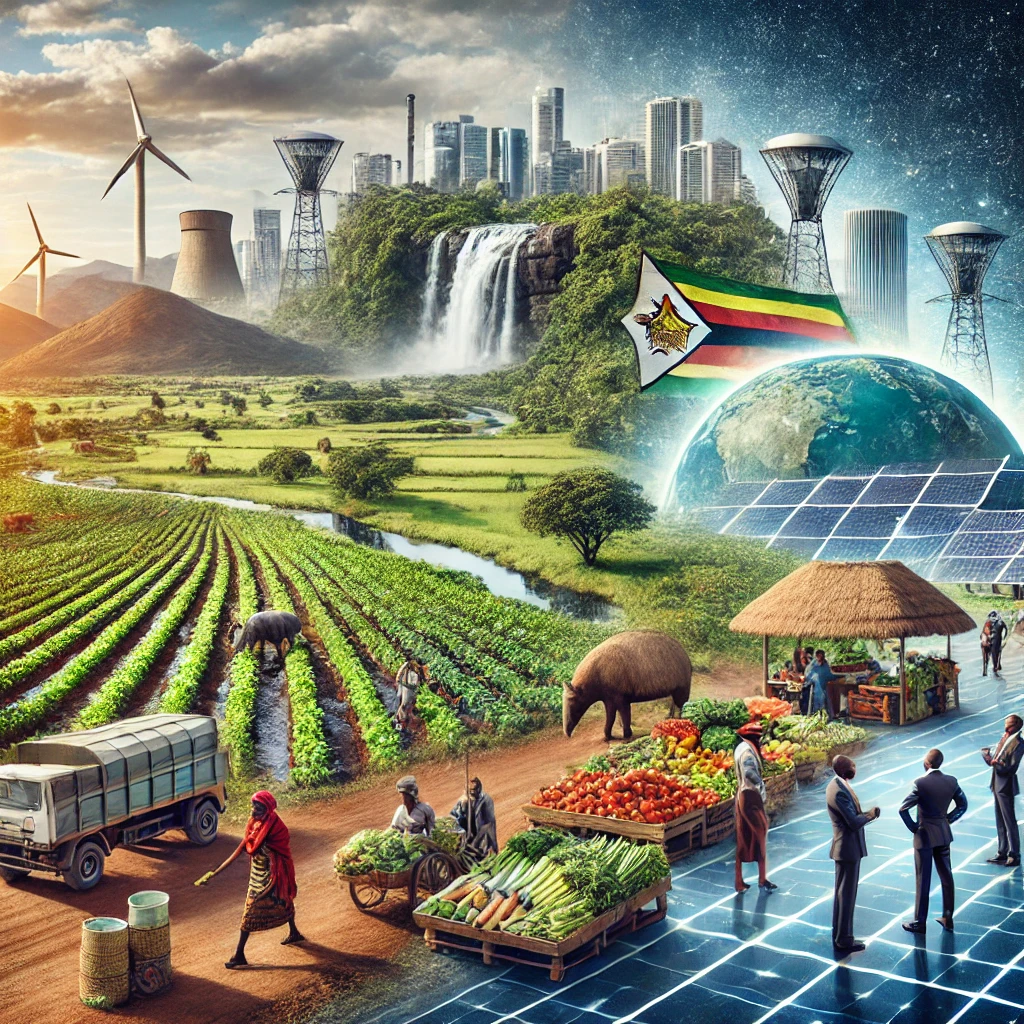
Zimbabwe is emerging as a leader in integrating sustainable agriculture with renewable energy, offering a wealth of opportunities for entrepreneurs and small business owners alike. With fertile land ready for modernization and communities eager to embrace clean energy, the country is primed for innovative solutions in both agriculture and energy sectors.
Opportunities Amid Economic Transformation
In recent years, Zimbabwe has reinvented its economic landscape by adopting sustainable practices that promote long-term growth. This shift has spurred significant investments in modernizing agriculture, with local crops benefiting from innovative techniques and efficient water management. Government and private sector partnerships are empowering farmers through new technologies that boost yields while reducing environmental impact.
At the same time, Zimbabwe’s energy sector is undergoing a renaissance. Renewable resources like solar and hydroelectric power take center stage under strategic energy expansion initiatives. By integrating traditional agriculture with cutting-edge energy solutions, Zimbabwe not only increases productivity but also positions itself as a forward-thinking market in both sectors.
Business leaders now recognize that combining established agricultural practices with renewable energy strategies can unlock new markets. This integrated approach drives innovation, improves operational efficiency, and meets growing consumer demand for food security and clean energy solutions.
Innovations Paving the Way Forward
The deliberate integration of agriculture and renewable energy reflects years of planning, research, and investor confidence. Entrepreneurs are piloting projects that use solar-powered irrigation systems—a key element of Zimbabwe’s integrated agricultural and energy development strategy—to maintain water supply during power outages. These innovative systems ensure reliable crop production even in remote areas.
International investors and major publications like Forbes have highlighted Zimbabwe’s growing advantage through sustainable practices. The nation’s entrepreneurial ecosystem is evolving with models that emphasize both sustainable growth and clean energy adoption.
Beyond hardware innovations, digital platforms and smart agriculture solutions are bridging the gap between rural farms and urban markets. Real-time monitoring and resource management tools are now accessible to small business owners, delivering data-driven insights, scalable solutions, and financial models once reserved for large corporations and governments.
Community-Centric and Environmentally Responsible
At the heart of Zimbabwe’s progress is a strong commitment to community-based projects that address local needs. In rural areas, small-scale farmers are transitioning to renewable energy sources such as solar lighting and biogas systems. These initiatives lower carbon footprints and empower communities by promoting energy independence.
Local governments are streamlining policies to support these changes, offering incentives for businesses that invest in renewable projects and creating frameworks to ensure equitable resource distribution. This approach underscores Zimbabwe’s integrated agriculture and energy development, ensuring that growth benefits everyone.
Collaborative ventures between local cooperatives, international NGOs, and private enterprises have further strengthened these initiatives. Microgrid projects using solar panels, wind turbines, and small-scale hydro installations are delivering clean energy to remote villages, reducing energy poverty and boosting overall community resilience.
Strategic Implications for Entrepreneurs
Entrepreneurs looking to invest in Zimbabwe will find a business environment that prizes sustainability as much as profit. Whether launching a startup or expanding an existing venture, integrating sustainable agriculture with renewable energy forms the foundation of a modern and resilient business strategy.
Success in Zimbabwe’s agricultural sector depends on understanding local environmental conditions, weather patterns, and supply chain challenges. Precision farming tools—such as drones and IoT sensors—enable detailed monitoring of crop health, soil conditions, and water usage. These innovations not only boost productivity but also reinforce the focus on sustainable agricultural growth, building lasting investor confidence.
Similarly, Zimbabwe’s renewable energy expansion offers abundant opportunities for creating value-added services. Companies specializing in installing, maintaining, and managing renewable infrastructures are in high demand as the country drives toward energy independence. Supported by robust government policies and financial incentives, these projects are ideal for small business owners ready to embrace cutting-edge technologies.
For those looking to deepen their understanding of integrated business models, resources like the Make Business insights offer valuable guidance on market trends, regulatory landscapes, and innovative strategies linking agriculture with renewable energy.
Investing in a Greener Future
Financial institutions and venture capitalists are increasingly investing in projects that deliver robust economic returns while championing environmental sustainability. Channeling funds into green initiatives is not just a regulatory necessity—it positions businesses as pioneers in a global movement towards responsible practices. The rise of investment funds targeting sustainable projects highlights Zimbabwe’s commitment to renewable energy expansion as a cornerstone of future growth.
Business owners who blend renewable energy with agricultural practices can enjoy reduced operational costs, enhanced brand reputation, and a competitive market edge. Cleaner production processes, lower greenhouse gas emissions, and efficient resource management contribute to a portfolio that attracts both consumers and eco-conscious investors.
This blend of sustainability, technology, and community engagement is reshaping Zimbabwe’s business operations. Entrepreneurs are encouraged to transcend traditional silos, integrating multifaceted approaches to drive long-term sustainability, community well-being, and profitability. These forward-thinking practices are essential to Zimbabwe’s integrated agriculture and energy development.
In summary, Zimbabwe offers a dynamic landscape for entrepreneurial ventures that blend agricultural excellence with sustainable energy practices. Whether exploring innovative financing models, leveraging smart technologies, or forging strong local partnerships, investors and small business owners can capitalize on a resource-rich market eager for sustainable transformation. As Zimbabwe continues to refine its economic strategies, businesses that combine tradition with innovation will shape a vibrant, resilient future.
Entrepreneurs and established businesses alike can open new markets, reduce operational costs, and contribute to societal progress by embracing integrated solutions backed by clear policy and community support. Zimbabwe is poised for a new era where sustainable agriculture and energy practices drive both productivity and environmental stewardship.
For more tips, success stories, and practical guides on thriving in this evolving business ecosystem, trusted platforms like Make Business deliver insightful resources that bridge the gap between vision and success.
- Zimbabwe is pioneering an integrated approach that combines sustainable agriculture with renewable energy solutions.
- Investments in smart technologies like solar-powered systems and precision agriculture are rapidly increasing.
- Collaboration among local communities, government agencies, and international investors drives the nation’s growth.
- Entrepreneurs can leverage innovative business models to tap into emerging opportunities and fuel long-term success.


