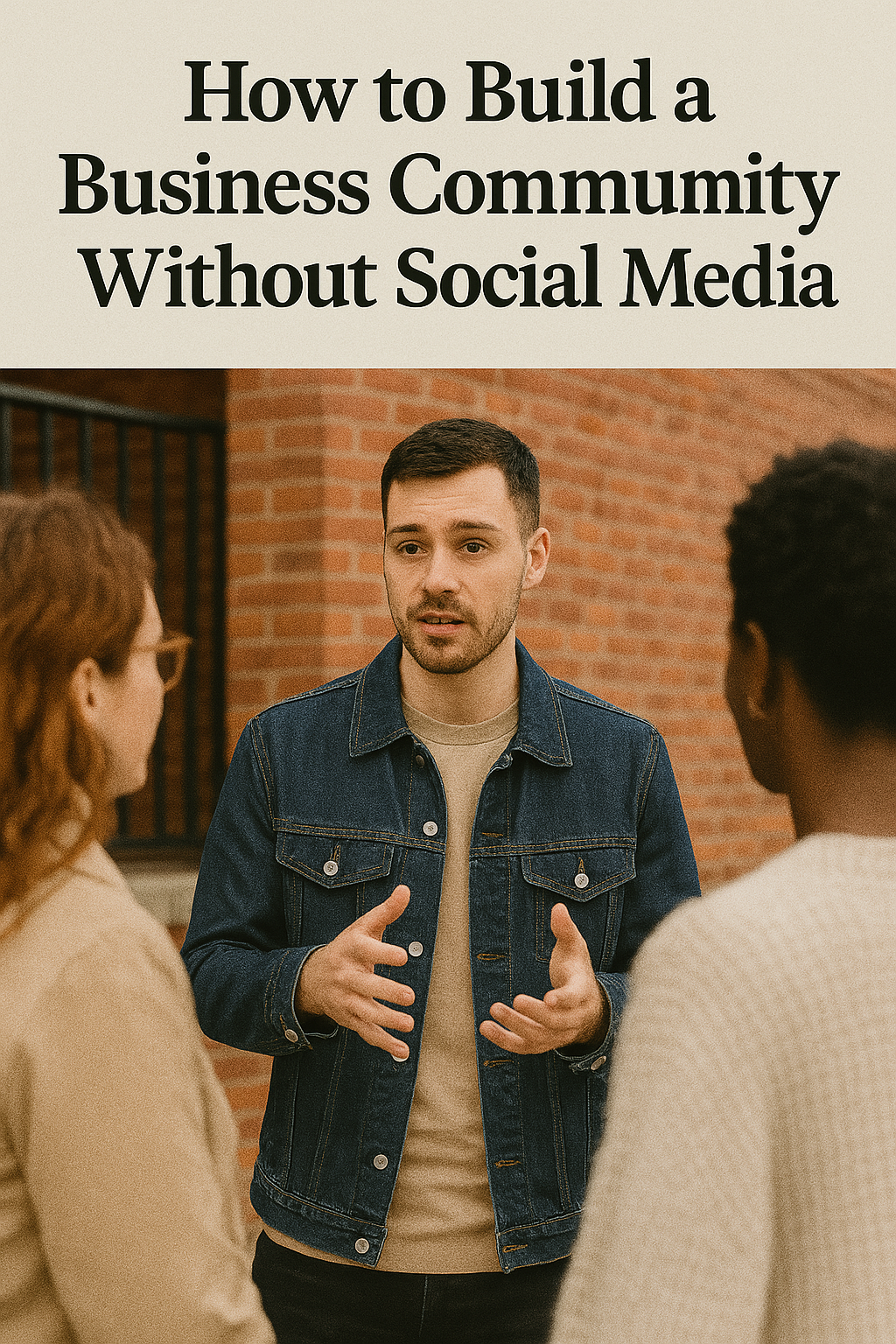
Entrepreneurs and small business owners often feel pressured to maintain a constant online presence. However, building a thriving community doesn’t always require social media. In fact, many successful business leaders are embracing traditional, offline techniques to form deep, lasting connections within their local networks. This guide explores practical offline strategies for creating a robust business community that thrives on real-world engagement.
Discover Offline Strategies for a Strong Business Community
The digital world has changed how we connect, yet offline engagement offers powerful opportunities for business growth and customer loyalty. Whether you’re wondering how to build a business community without social media or looking to diversify your outreach, offline methods provide a refreshing alternative. These strategies emphasize personal interactions and community trust, which are essential for long-term success. For more insights on building a local community, check out Local Community Building Tips.
Offline techniques can create authentic relationships that go far beyond surface-level online connections. In-person events, face-to-face networking, and local partnerships enable you to learn about your community’s needs and respond directly. These efforts not only make your business stand out in a crowded digital space but also foster genuine loyalty among your customers.
Leverage Local Networks and In-Person Events
Connecting with your target audience starts by tapping into local networks. Attend community events, join local business associations, and explore neighborhood meetups as practical ways to build your business community without social media. These activities promote your brand directly while offering valuable insights from peers and potential customers.
Consider hosting workshops, seminars, or informal networking gatherings at coworking spaces or community centers. Focus on topics relevant to your industry and audience to share your expertise while providing a learning opportunity for attendees. These face-to-face interactions build trust and lay the foundation for lasting relationships.
For specialized guidance, explore resources like the Forbes community network series, which offers insights on effective offline engagement methods to build a supportive network of collaborators and advocates.
Nurture Relationships with Collaborative Community Initiatives
Strong business communities are built on ongoing, thoughtful efforts to nurture relationships. Develop long-term partnerships with local organizations, associations, or complementary businesses to create co-hosted events and joint ventures that benefit everyone involved.
For example, a local café and a nearby bookstore might collaborate on a series of literary nights or themed discussions. Such partnerships not only merge customer bases but also enhance credibility through cross-promotion and shared expertise.
Integrate your efforts with targeted offline marketing techniques such as newsletters, local print media, and community bulletin boards. These traditional channels effectively convey a sense of belonging and reliability, reaching audiences less active on social media and reinforcing your commitment to local engagement.
Adopt a Multifaceted Approach to Community Building
Transitioning away from social media may seem challenging, but embracing offline strategies opens new doors for creative and impactful engagement. Begin by identifying your target audience and discovering their preferred modes of connection—be it local town meetings, industry conferences, or casual neighborhood gatherings. Tailor your events and collaborations to fit these preferences for the best results.
Create a schedule of regular events and partnerships to establish your business as a reliable local presence. These engagements become valuable touchpoints for direct feedback, helping you refine your products or services while demonstrating your genuine care for the community.
Enhance your offline efforts by connecting them with select online content. For example, if you have published articles on community building on business growth strategies, invite your local audience to explore them for additional insights. This dual approach solidifies your authority across multiple platforms.
Another effective strategy is to organize community brainstorming sessions. Invite local business owners, community leaders, and students to discuss ways to boost local engagement. These sessions can spark innovative ideas that lead to future community projects and strategic partnerships.
Consider forming a local advisory board made up of dedicated community members who provide honest feedback and act as ambassadors for your business. Their personal testimonials and local influence can significantly enhance your credibility as you expand your presence within the community.
Combining offline methods with a selective digital presence creates a balanced strategy that can yield long-term rewards. This multifaceted approach ensures that your community remains vibrant, resilient, and deeply rooted in genuine relationships.
By experimenting with different techniques and adapting to your community’s evolving needs, you’ll discover that building a business community without social media is both achievable and beneficial. Listen, observe, and adjust your strategy based on real-world interactions to create a supportive network that grows organically over time.
True community building thrives on authenticity rather than algorithms. The trust built through face-to-face interactions and shared experiences forms the backbone of a loyal customer base, driving referrals, collaborative ventures, and sustained growth for years to come.
- Prioritize genuine, face-to-face interactions for lasting trust.
- Utilize local events and partnerships as core components of your strategy.
- Blend offline techniques with targeted digital content for broader reach.
- Continuously adapt your strategy based on direct feedback and community insights.


