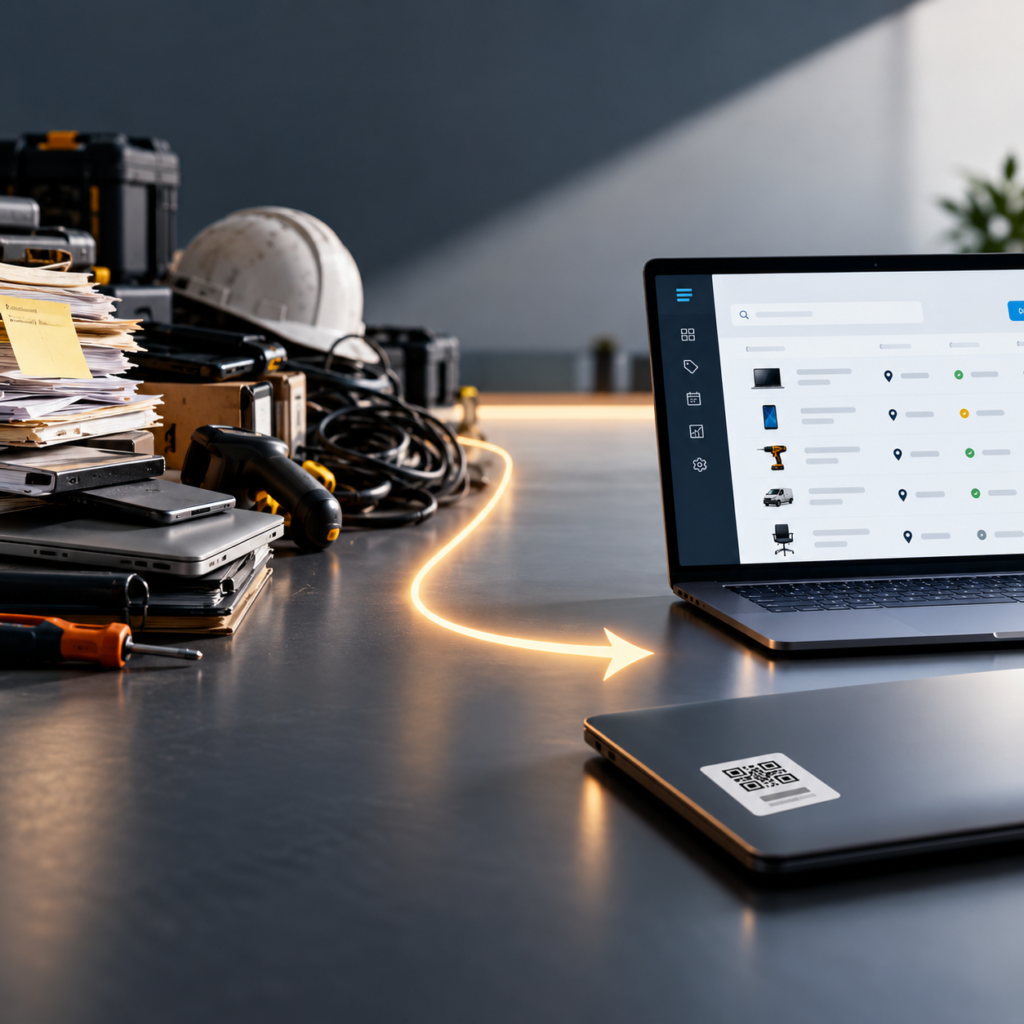
Demo automation is not one uniform software category. A sales team may need an interactive product tour for inbound prospects, a personalized environment for account executives, a reliable live-demo workspace, or a leave-behind experience that buyers can share internally. Choosing a platform before distinguishing those jobs often leads to overlapping tools, underused licenses, and demos that quickly become outdated.
The Small Business Trends roundup of Saleo alternatives illustrates the breadth of the market, but a vendor list alone cannot identify the right fit. Sales and revenue leaders need a decision process grounded in their own buying journey, technology stack, operating capacity, and measurable commercial goals. The following framework turns market research into a defensible evaluation.
Start With the Demo Jobs, Not the Vendor Shortlist
Map where demonstrations currently occur and what each one must accomplish. Avoid treating “we need better demos” as a sufficient requirement. Interview account executives, sales engineers, marketing, revenue operations, and customer-facing teams to document the scenarios that matter.
For every scenario, identify the audience, funnel stage, presenter, degree of personalization, expected buyer action, and current failure point. Useful categories may include:
- Self-guided discovery: a prospect explores core workflows before speaking with sales.
- Rep-led qualification: an account executive shows a concise value narrative without depending on a technical specialist.
- Technical validation: a sales engineer demonstrates detailed workflows, integrations, or role-specific behavior.
- Account-specific storytelling: the experience reflects a prospect’s terminology, data context, or priority use case.
- Post-call follow-up: buying-committee members revisit or share a controlled experience.
- Events and enablement: teams need a dependable environment that avoids the uncertainty of a live production instance.
Rank these jobs rather than requiring every conceivable format. A platform optimized for unguided website tours may not be the best environment for complex, rep-led demonstrations. Conversely, a powerful live-demo system may be excessive if the primary requirement is a short product walkthrough for inbound visitors.
Record the present baseline as well: preparation time, specialist involvement, demo failure frequency, follow-up engagement, and relevant opportunity outcomes. Even where reliable numbers are unavailable, documenting what is and is not measured prevents unsupported ROI claims later.
Translate Use Cases Into Testable Requirements
Convert the highest-priority scenarios into must-have, should-have, and optional capabilities. Requirements should describe an observable result rather than repeat vendor terminology. For example, replace “easy personalization” with “an account executive can prepare an approved, account-specific version in ten minutes without administrator support.”
Demo format and buyer experience
Determine whether the platform supports the exact experiences required, then test how they feel to a prospect. Consider navigation, mobile or browser behavior, load time, accessibility, sharing controls, and whether the experience clearly separates simulated behavior from the actual product. Buyers should understand the value without becoming trapped in hotspots, rigid scripts, or unrealistic product states.
Workflow and sales-stack fit
Map the journey from content creation to delivery and measurement. Ask how reps find the correct demo, personalize it, present or send it, and record engagement. Validate any necessary fit with the CRM, sales-engagement platform, marketing systems, analytics, identity controls, and content-management processes.
Do not accept a generic “integration available” answer. Establish what data moves, in which direction, how quickly, under what permissions, and into which CRM objects or fields. A connector that creates manual cleanup or hides engagement outside the rep’s normal workflow may have little practical value.
Maintenance and governance
Demo content changes whenever the product interface, positioning, pricing context, or approved claims change. Evaluate how components are updated, reused, versioned, archived, and published. Determine whether one change can propagate safely or whether teams must repair many separate copies.
Governance requirements should include roles and permissions, approval workflows, auditability, brand controls, data-handling rules, and protection against reps distributing obsolete or unapproved experiences. Security and legal stakeholders should review how prospect information, credentials, recordings, and analytics are handled.
Run a Scenario-Based Evaluation, Not a Feature Parade
Use the alternatives roundup to identify possible suppliers, then narrow the field according to demo format and non-negotiable requirements. Because the supplied source is a market roundup rather than independent proof of every product’s current functionality, verify all capabilities directly with vendors and in a trial or controlled proof of concept.
Give each shortlisted supplier the same representative tasks. For example:
- Create a demo of a recently changed product workflow.
- Personalize it for a sample account while preserving approved messaging.
- Have an ordinary rep locate and present it without help.
- Send a follow-up version to multiple buyer roles.
- Update a shared screen or component and inspect every affected experience.
- Capture engagement and route the agreed data into the sales workflow.
- Restrict, expire, archive, and audit the content.
Include both skilled builders and reluctant users. Time each task, document assistance required, and record failure points. Test an awkward case—such as an interface update just before an important meeting—because operational resilience matters more than an ideal vendor-led demonstration.
Create a weighted scorecard before testing. Weight demo-format fit, prospect experience, rep workflow, maintenance effort, governance, integration, analytics, implementation burden, and total cost according to business priorities. Require written evidence for every score. This reduces the risk that an impressive presentation or a long feature list determines the outcome.
Calculate the Operational Cost and Risk
License price is only one component. Compare implementation, content production, integrations, training, administration, security review, ongoing maintenance, and potential professional-services costs. Clarify pricing units and the consequences of expanding creators, viewers, workspaces, or usage. Avoid assuming that packaged tiers will align neatly with team structure.
Check for overlap with digital-adoption tools, product-tour software, sales-enablement platforms, sandbox environments, video tools, and existing product-led growth capabilities. Overlap is not automatically wasteful, but leadership should know which platform owns each demo job and whether another contract can be reduced or retired.
The largest hidden risk may be stale content. An inaccurate demo can undermine trust precisely when the platform is supposed to improve consistency. Estimate the number of experiences likely to exist, the frequency of product changes, and the staff time needed to review them. A tool that makes initial creation fast but ongoing updates difficult can produce growing operational debt.
Other risks include poor adoption, weak CRM visibility, unauthorized claims, inappropriate use of customer-like data, and an experience that oversimplifies the real product. Put these issues in the procurement record, with an owner and mitigation for each.
Assign Ownership and Tie Rollout to Sales Outcomes
Before purchase, name an executive sponsor and an operational owner. Revenue operations might own measurement and integrations; product marketing may own narrative and approved claims; sales engineering may validate technical fidelity; enablement may train reps; and product teams may notify owners about interface changes. The exact model can vary, but responsibility for creation, approval, review, retirement, and support cannot remain implicit.
Pilot with one defined use case, a limited content set, and a representative rep cohort. Train participants within their normal workflow rather than providing only builder training. Give them clear guidance on when to use the automated experience, when a live product demo is more appropriate, and how to escalate customization requests.
Agree success metrics before signing. Adoption measures could include active rep usage, time to prepare, reuse, and specialist support avoided. Buyer-experience measures might include completion, return visits, sharing, or engagement by additional stakeholders where tracking is appropriate. Commercial measures could include demo-to-next-step conversion, sales-cycle movement, or outcomes for comparable opportunities. These signals require careful interpretation: demo usage may correlate with stronger deals without causing them.
Review the pilot against its baseline and examine qualitative evidence from reps and prospects. Proceed only if the platform solves the priority demo jobs, can be maintained with available resources, fits the sales workflow, and produces evidence connected to agreed outcomes. If those conditions are absent, expanding deployment will magnify the process problem rather than fix it.