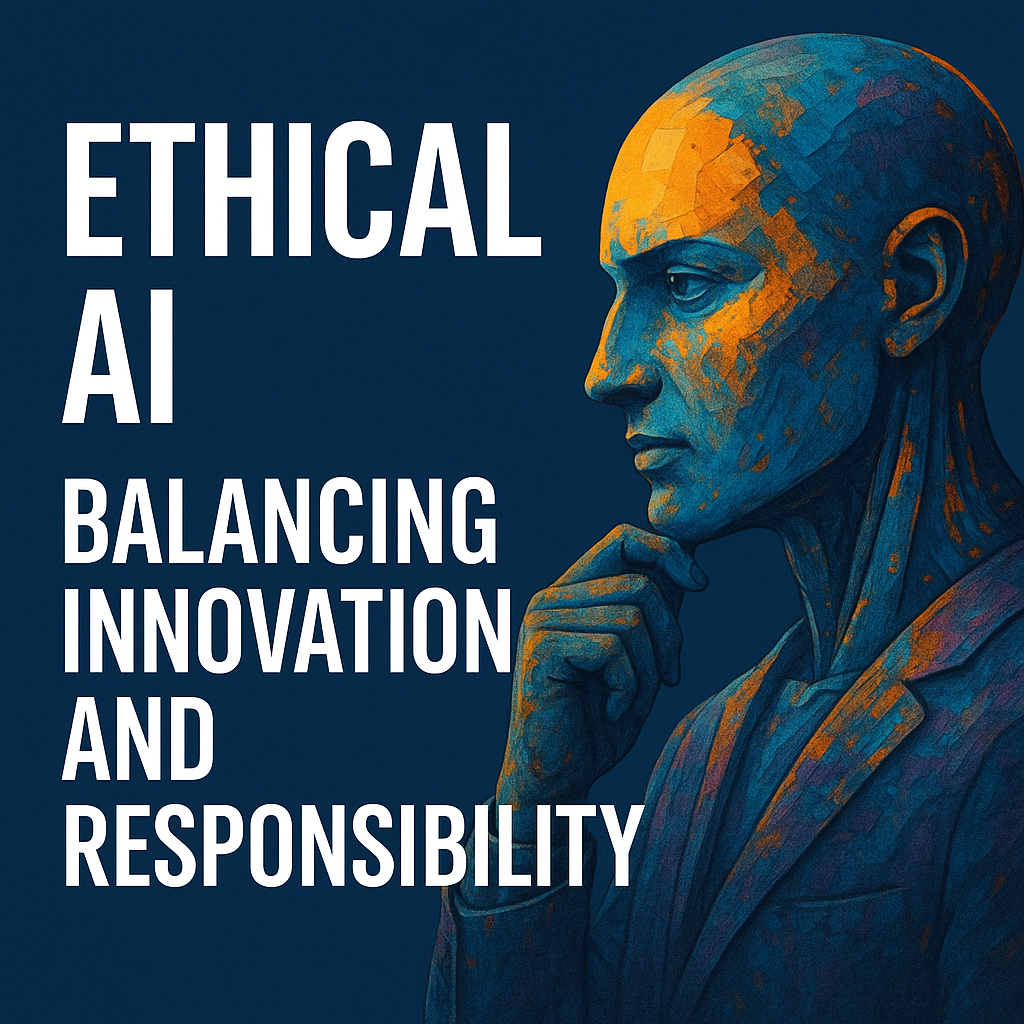
In today’s rapidly evolving business landscape, artificial intelligence is revolutionizing industries and unlocking unparalleled opportunities. Entrepreneurs and small business owners are eager to harness these advancements; however, many remain cautious about the ethical challenges of integrating AI into their operations. Successfully navigating this complex terrain requires a visionary approach that blends innovation with a commitment to fairness, transparency, and social responsibility.
Embracing Change While Upholding Core Values
Integrating artificial intelligence into business systems is more than just a technological upgrade—it’s a cultural shift. As entrepreneurs explore innovative solutions to boost efficiency and drive growth, they must address crucial questions about privacy, fairness, and human rights. Companies that adopt ethical AI best practices not only enhance their reputation but also build strong customer trust and loyalty.
A steadfast commitment to ethical standards ensures that the benefits of AI are not overshadowed by unintended negative consequences. By engaging in open dialogue with stakeholders—from employees to consumers—businesses can identify potential pitfalls and proactively prevent biases in automated processes. This balanced approach supports AI innovation while upholding ethical responsibility through transparent and accountable decision-making frameworks.
The true challenge lies in recognizing the pervasive influence of AI across various business functions, from recruitment to customer service. Implementing ethical guidelines at every stage of development makes solutions robust and adaptable. By carefully weighing the risks of algorithmic errors against opportunities for significant efficiency gains and creative problem-solving, companies can develop a responsible artificial intelligence framework that drives sustainable innovation.
A Collaborative Approach to Responsible AI Implementation
Implementing ethical AI practices requires a team effort. Collaboration among technologists, legal experts, industry analysts, and community representatives is essential to set realistic expectations and ensure that innovative steps align with broader societal values.
For small businesses and startups, forming advisory panels or partnering with research institutions focused on responsible technology can be highly beneficial. By pooling expertise and resources, these organizations can develop clear guidelines that serve as a roadmap for ethical AI development. Encouraging a culture of continuous learning and open feedback also ensures that ethical policies evolve alongside technological advancements.
Entrepreneurs who invest in long-term ethical strategies often see enhanced operational efficiency and a strengthened brand. Today’s consumers are increasingly aware of corporate social responsibility, making transparency and ethical practices significant competitive advantages.
Navigating Challenges and Seizing Opportunities
Despite the advantages, integrating ethical considerations into AI projects presents challenges. Regulatory uncertainty, rapid technological changes, and conflicts between short-term gains and long-term responsibilities can complicate the path to responsible innovation. Addressing these issues requires proactive investments in staff training, expert consultations, and staying current on evolving regulations.
Emerging tools such as algorithm audits and bias detection software offer practical solutions to assess the performance of AI systems and ensure they operate as intended. These measures help entrepreneurs confirm that AI models are fair, unbiased, and ethically aligned. Additionally, staying engaged with industry forums, academic research, and specialized platforms can empower business leaders to make well-informed decisions regarding responsible AI.
A recent Forbes article illustrates how companies are transforming internal processes to value sustainability and ethical practices alongside profitability. By analyzing diverse case studies and industry reports, entrepreneurs gain practical insights into the benefits of integrating ethical considerations into AI-driven innovation.
The Road Ahead for Ethical AI and Small Businesses
Looking forward, the priority is to develop scalable and adaptable frameworks that balance technological progress with ethical integrity. For both startups and established businesses, it is essential to weave these principles into the very fabric of their operations. This balance not only reinforces stakeholder trust but also sets a new standard for how technology should serve society.
Numerous platforms now provide resources on ethical technology practices. Entrepreneurs can access comprehensive guides and expert analysis to help integrate ethical strategies into business operations. By leveraging these resources, companies can establish robust governance frameworks that protect customer data and foster responsible innovation.
While the journey toward ethical AI can be challenging, it presents a unique opportunity to create a future where advanced technology and ethical integrity coexist harmoniously. By constantly refining policies that emphasize both innovation and accountability, entrepreneurs can ensure their AI initiatives lead in responsible development. Decision-makers are encouraged to promote open dialogue, invest in long-term solutions, and utilize the vast expertise available within industry communities.
Ultimately, balancing technological innovation with ethical responsibility is a win-win scenario. Companies that proactively embrace ethical AI are better prepared for regulatory shifts, risk management, and emerging market trends. By meticulously designing and executing AI projects on a solid ethical foundation, businesses can foster a safer digital environment and a sustainable business model that appeals to customers and partners alike.
Viewing challenges as opportunities for growth transforms setbacks into chances for responsible innovation. Modern businesses must develop agile strategies that not only respond to technological advances but also reflect evolving social values. Entrepreneurs who recognize that ethical innovation is a continuous journey are more likely to succeed in an increasingly competitive market.
Establishing a responsible artificial intelligence framework starts with a practical commitment to continuous learning, policy review, and actively listening to customer feedback and expert advice. Sustainable growth is achieved when a company evolves in both ethical integrity and technical prowess. A balanced approach is an invaluable asset that promotes resilience and drives ongoing success.
- Ethical AI integration is crucial for building trust and achieving long-term success.
- Collaboration with experts and diverse stakeholders fosters robust ethical guidelines.
- Proactive measures, including algorithm audits and ongoing training, are key to overcoming challenges.
- Embracing responsible innovation paves the way for both technological advancement and ethical integrity.


