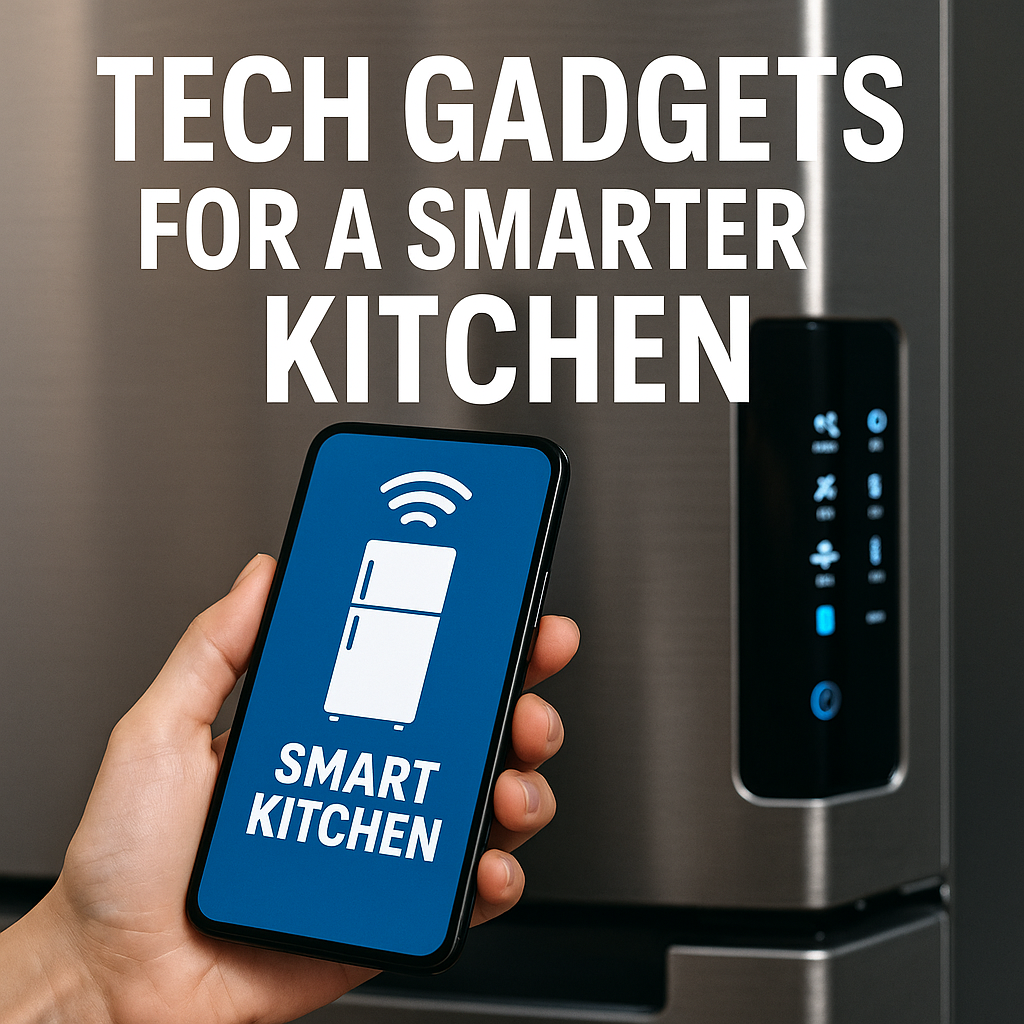
The kitchen is no longer just a space for cooking—it’s now a hub of innovation. Affordable smart kitchen tech gadgets are revolutionizing the way entrepreneurs and small business owners work, enhancing productivity, efficiency, and overall quality of life. Whether you’re testing new technologies or planning to invest in advanced smart kitchen appliances for home chefs, the benefits are clear: a smarter kitchen leads to a smarter home and smarter business decisions.
The Intersection of Business and Culinary Innovation
Entrepreneurs traditionally focus on office automation, streamlined communication, or marketing innovation when considering tech advancements. However, cutting-edge kitchen gadgets demonstrate that the culinary space is equally ripe for transformation. For many small business owners, the kitchen has evolved from a simple meal-prep area to a creative laboratory that reflects brand values such as sustainability, efficiency, and modern design.
Today’s kitchens boast precision-controlled ovens and smart refrigerators that track food stocks and expiration dates. Integrating technology into everyday cooking appliances helps businesses streamline operations, reduce waste, and deliver high-quality meals that resonate with modern customers. As startups and established businesses adopt these smart solutions, the productivity of commercial kitchens soars, ensuring efficient resource allocation and continuous process improvement.
Affordable Innovations Making a Mark
Many entrepreneurs worry that integrating technology into the kitchen will be costly. However, the current market offers a range of affordable smart kitchen gadgets that deliver robust features without the hefty price tag. These user-friendly devices are accessible even to those without a technical background, making the transition to a smarter cooking environment seamless.
For instance, many smart appliances feature Wi-Fi and app connectivity, allowing business owners to monitor performance or troubleshoot issues remotely. This not only minimizes downtime but also includes energy-saving modes that pay off in the long run. Equipped with sensors and performance analytics, these gadgets provide actionable data to optimize cooking techniques and inventory management, resulting in significant operational savings.
These cost-effective solutions are particularly beneficial for small business owners and entrepreneurs who previously might have been put off by expensive industrial equipment. The democratization of smart kitchen technology means that even a small bistro or boutique café can enhance operational efficiency and elevate the customer experience.
Smart Kitchen Gadgets Transforming Home Chefs’ Environments
Home chefs are embracing innovative smart kitchen appliances that integrate seamlessly with modern cooking practices. Whether you’re a hobbyist experimenting in your home kitchen or a small business owner developing new menu concepts, these gadgets offer endless possibilities.
Smart ovens, for example, adjust cooking temperatures automatically using real-time sensor data, eliminating guesswork and ensuring perfectly cooked meals every time. By automating tasks that require constant attention, these ovens free up chefs to focus on creativity and presentation.
Smart refrigerators are also changing the game by maintaining optimal temperature and humidity to extend food longevity. With automatic alerts for food safety, inventory management, and even integration with online grocery services, these refrigerators promote sustainable practices, reduce food waste, and optimize resource use.
Beyond these essentials, businesses are investing in smart tools like digital thermometers, instant-read sensors, and programmable induction cookers. Each gadget contributes to a smoother workflow by reducing inconsistent results, minimizing ingredient waste, and streamlining manual processes.
Practical Business Strategies for Embracing Smart Kitchen Tech
Adopting smart kitchen technology requires a strategic approach. Small business owners should focus on enhancing workflow, improving customer experience, and boosting operational efficiency rather than chasing trends.
Begin by evaluating your kitchen’s daily operations to identify areas where time is lost or precision is critical. Once these pressure points are clear, choose gadgets that address these challenges. For example, if your kitchen struggles with maintaining consistent temperatures or managing energy usage, investing in appliances with automated control systems can yield significant long-term benefits.
Integrating technology doesn’t mean replacing the human touch. In many modern cafes and restaurants, smart appliances assist staff with routine tasks, allowing them to create unique dining experiences and engage more closely with customers.
Consider learning from case studies and expert insights. A recent Forbes article highlighted how food service businesses leverage technology to streamline operations and craft personalized customer experiences. Adapting these insights to your kitchen can be incredibly rewarding.
Also, think about the scalability of your smart kitchen setup. Early technology investments can generate valuable data and insights that drive informed decision-making as your business grows. Resources like business growth strategies provide expert guidance and detailed analyses to help entrepreneurs navigate this transition.
The journey to a smarter kitchen can be gradual and cost-effective. Start small by upgrading your basic cooking tools with one or two smart gadgets, observe the benefits, and then plan further investments based on clear returns.
Why Embracing Technology is More Than a Trend
For modern entrepreneurs, adopting technology in the kitchen is a smart business strategy that meets evolving consumer expectations. Tech-savvy customers appreciate the efficiency and consistency offered by smart appliances, which not only enhance food quality but also reinforce the sophistication of the brand.
Environmental sustainability is another crucial factor. Many smart kitchen gadgets feature eco-friendly options like energy conservation and waste reduction. These innovations lower operating costs while appealing to eco-conscious consumers and reinforcing a brand’s commitment to responsible business practices.
Moreover, smart kitchen solutions promote a culture of continuous improvement. Real-time data from these devices help business owners identify bottlenecks, optimize inventory, and experiment with new recipes and services based on measurable outcomes. This precision fosters an environment where both culinary art and business operations can thrive.
Integrating technology into the kitchen is a harmonious blend of tradition and modernity. The art of cooking meets advanced functionality, resulting in transformative benefits. Entrepreneurs who embrace innovation in the kitchen can redefine the culinary experience for customers while streamlining operations—a win-win for both business success and customer satisfaction.
By investing in advanced smart kitchen appliances for home chefs and incorporating affordable tech gadgets into daily operations, small business owners pave the way for a future where technology, efficiency, and sustainability intersect. In today’s competitive market, these strategic moves can distinguish a brand as forward-thinking, customer-focused, and well-prepared for tomorrow’s challenges and opportunities.
- Boost productivity and operational efficiency with smart kitchen technology.
- Explore affordable smart kitchen gadgets that offer user-friendly automation options.
- Merge traditional cooking techniques with advanced smart appliances.
- Implement tactical tech investments for long-term business growth and operational benefits.


