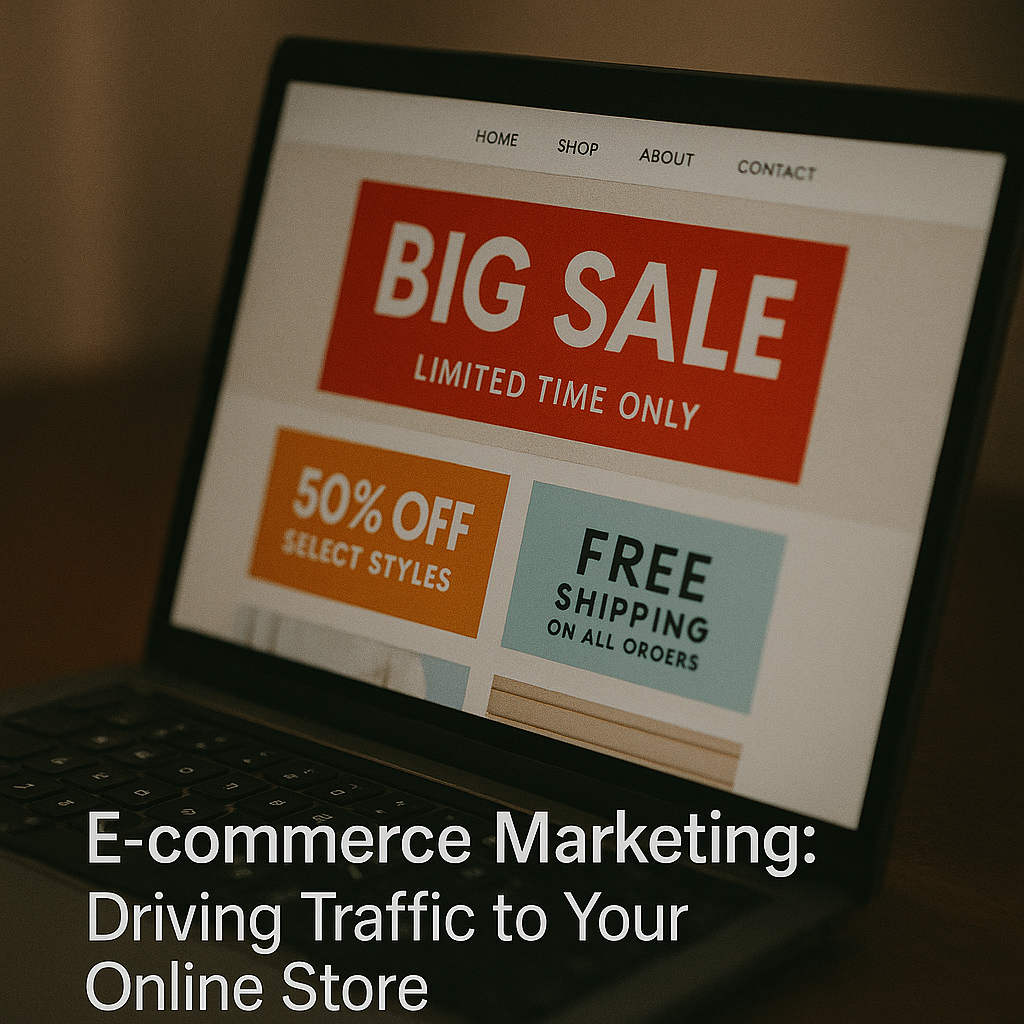
The digital marketplace is more competitive than ever, making it essential for entrepreneurs and small business owners to attract quality visitors to their online stores. Whether you’re launching a new venture or boosting an existing business, emerging trends and techniques offer fresh opportunities. In this article, we explore innovative methods and insights to help you generate more visitors who can become loyal customers.
Understanding the Foundations of E-commerce Traffic
Effective online traffic generation begins with a comprehensive strategy. In the past, a well-designed website was considered enough. Today, however, success depends on a balanced approach that combines high-quality content and exceptional performance. Instead of quick fixes, successful online stores invest in long-term strategies that integrate advanced e-commerce marketing techniques with in-depth audience analysis and continuous performance monitoring.
A crucial first step is understanding your target audience. By identifying who your ideal customers are, their needs, and where they spend time online, you can tailor your digital marketing tactics to attract high-quality traffic. Data-driven decisions not only set you apart from competitors but also ensure you can continuously refine your campaigns for optimal results.
Embracing Advanced E-commerce Marketing Strategies
The evolution of digital marketing has introduced a variety of sophisticated tools and techniques. Whether you’re experienced in SEO, content marketing, or social media advertising, embracing advanced e-commerce strategies is essential for growth. Beyond basic search engine optimization and paid search, consider incorporating:
- Content Personalization: Customize your website and email content based on customer behavior and preferences to create tailored, engaging experiences.
- Interactive Features: Enhance customer engagement with chatbots, quizzes, and dynamic product recommendations.
- Retargeting Techniques: Re-engage previous visitors with targeted ads to encourage conversions.
While integrating these strategies may pose challenges, persistent testing and adaptation will help you discover what resonates with your audience. Leverage robust analytics to refine these techniques and optimize every step of the customer journey.
Targeted Online Store Traffic Generation Techniques
Not all website visitors are equal. For any online store, attracting the right audience is key to converting visits into sales. Targeted traffic generation techniques for e-commerce platforms focus on reaching visitors who are genuinely interested in your products or services.
Start with keyword research to guide your content strategy. Identifying long-tail keywords and phrases that potential customers use in their searches allows you to craft content that appeals directly to your target market. This strategy complements advanced e-commerce marketing tactics, driving high-quality traffic through well-crafted blog posts, videos, and infographics that address common challenges, industry trends, or product comparisons.
In addition, use targeted ads on social media platforms and Google. These platforms offer precision targeting based on interests, demographics, and online behavior, enabling you to reach audiences that are more likely to convert. Collaborating with influencers in your niche can further amplify your reach, adding credibility and expanding your customer base.
The Role of Content Marketing in Attracting Quality Visitors
Content marketing remains one of the most effective and sustainable strategies in the digital landscape. By creating valuable content—such as how-to guides, industry insights, or tutorials—you build trust and establish authority in your niche. High-quality content encourages visitors to share your insights and return for more, organically boosting your site’s reach. How to Create Content That Converts
Integrate targeted traffic generation techniques into your content plan through consistent research, SEO optimization, and strategic promotion. By seamlessly incorporating digital marketing tactics into your content, you enhance your online store’s visibility and user engagement.
Explore successful case studies on trusted platforms like Forbes and industry-specific blogs to gain proven strategies tailored to your business model.
Leveraging Digital Marketing Tactics for Continuous Growth
Digital marketing is a dynamic field that demands agility and innovation. The most impactful methods for driving high-quality traffic include email marketing, social media campaigns, and search engine advertising.
Email Marketing: Regular newsletters and tailored email campaigns keep your audience informed and nurture long-term relationships. Segment your email lists and customize messages based on purchase history or browsing behavior to boost engagement and drive repeat visits.
Social Media Marketing: Social channels not only facilitate casual interaction but also serve as powerful promotional tools. Create authentic content that resonates with your audience, including live sessions, product demonstrations, and customer testimonials to build trust and encourage sharing.
Pay-Per-Click (PPC) Advertising: PPC campaigns are effective for gaining immediate visibility while your organic SEO efforts mature. Test different ad creatives, copy, and demographics to optimize your budget and achieve better results.
For additional insights, check out resources like business growth insights, where evolving digital trends and actionable marketing strategies are discussed in detail.
Balance organic and paid strategies by combining in-depth analytics with experimentation. This approach not only improves traffic quality but also increases conversion rates over time.
As your store grows, diversify your digital marketing mix with video marketing, emerging ad networks, and influencer collaborations. Monitor the performance of each channel to identify the best return on investment for your business.
The Importance of Tracking and Adapting Your Strategy
No digital marketing strategy is complete without robust tracking and analysis. Regularly monitor your website analytics to assess campaign effectiveness and make data-driven decisions. Tools such as Google Analytics, SEMrush, and Ahrefs help you track key metrics like visitor behavior, bounce rates, and conversion paths.
These insights allow you to adjust your approach on the fly. If a specific keyword or campaign underperforms, pivot quickly to maintain long-term growth without missing opportunities.
Staying agile is essential in online marketing as consumer trends shift rapidly. Regular feedback from analytics, customer surveys, and market research will help you fine-tune your strategy, keeping your store competitive and relevant.
Engage directly with your customers through social media, online reviews, and direct feedback channels to gain qualitative insights. Listening to your audience may reveal hidden opportunities and necessary improvements.
Ultimately, create a feedback loop where your digital marketing tactics are continuously refined based on real-world performance. As technology evolves, so should your strategies, ensuring a steady stream of engaged, high-quality visitors ready to convert.
By combining smart content marketing, targeted advertising, and thorough analytics, you can stay ahead in the digital marketplace. Remember, every business is unique, and continuous learning and adaptation are the keys to sustained success.
Compelling photography, engaging storytelling, and persuasive calls-to-action all work together to attract visitors and convert them into loyal customers. As digital marketing trends evolve, staying informed and adaptable will help you achieve and exceed your business goals.
- Implement advanced marketing strategies to align with digital trends.
- Leverage in-depth audience analysis to attract high-quality visitors.
- Adopt both organic and paid tactics for sustainable traffic growth.
- Continuously monitor, analyze, and refine your strategy to maintain a competitive edge.