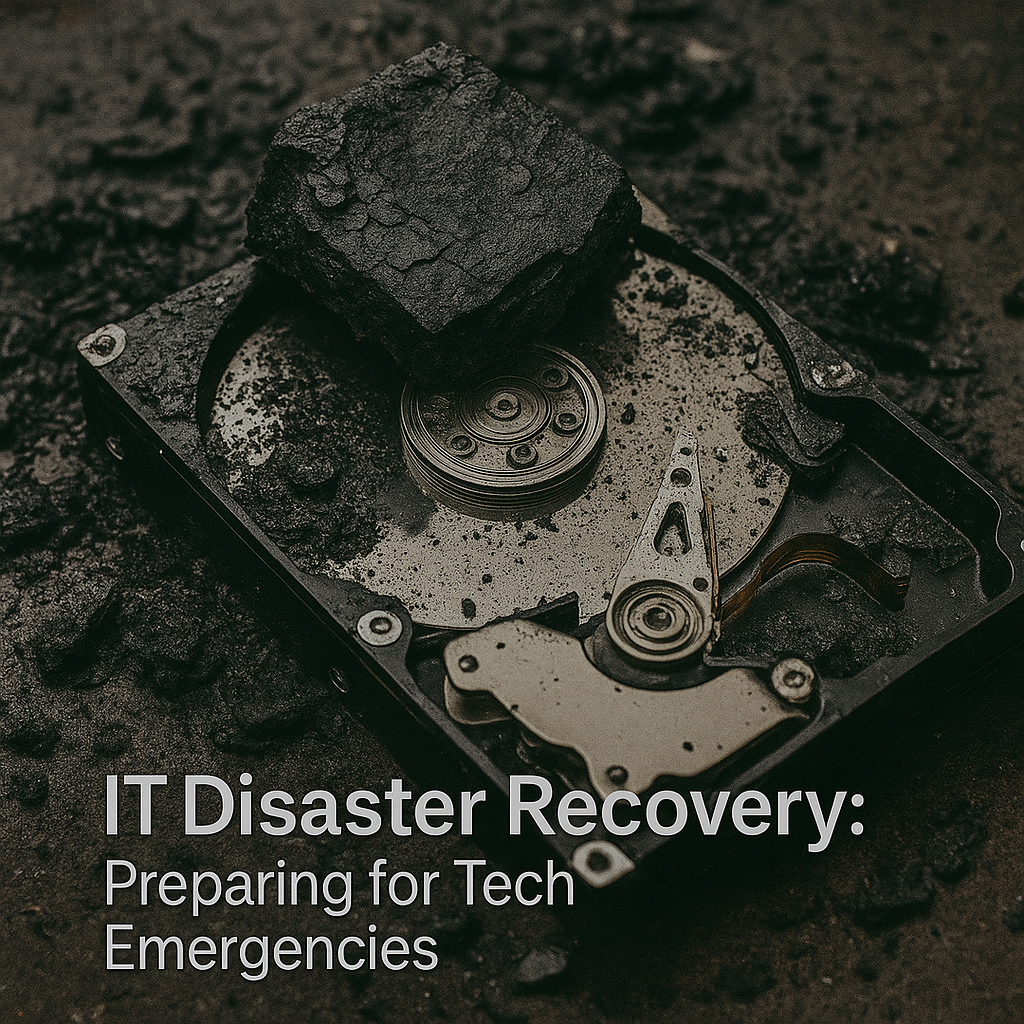
In today’s digital era, technology is the backbone of every business. For entrepreneurs and small business owners alike, ensuring uninterrupted access to IT systems and data is not simply operational—it’s a strategic imperative. When crises strike, from natural disasters and cyberattacks to hardware failures, a robust IT disaster recovery plan can mean the difference between swift business continuity and prolonged downtime. This article reveals essential strategies for tech emergency preparedness, helping you build resilient infrastructure, reduce risks, and safeguard your business.
Understanding the Need for IT Preparedness
Modern businesses depend on technology to drive operations, yet this reliance also brings significant risks. Whether facing external threats like hackers or internal issues such as system errors, disruptions are a constant possibility. An effective IT disaster recovery plan is not just a technical manual—it is a strategic roadmap designed to sustain critical business functions during an emergency. With proactive planning, even small businesses can recover quickly, protect sensitive data, and preserve their market reputation.
Platforms like Make Business offer valuable resources to help you anticipate potential threats and plan your responses. A well-aligned disaster recovery plan integrates IT priorities with overall business objectives, ensuring you can act promptly and effectively when unexpected challenges arise.
Identifying Risks and Vulnerabilities
Effective disaster recovery begins with a comprehensive risk assessment to identify potential threats. Both internal factors—such as human error or system misconfigurations—and external hazards, including cyberattacks, natural disasters, or power outages, must be thoroughly evaluated.
This evaluation lays the foundation for a customized IT disaster recovery guide tailored to your business needs. Document every potential weak link in your IT infrastructure to prioritize resource allocation and response protocols. A detailed recovery guide serves as the blueprint for ensuring operational resilience in any scenario.
Best Practices for IT Tech Emergency Preparedness
Implementing best practices for IT emergency preparedness is essential for businesses of all sizes. Establishing clear procedures and protocols not only facilitates quicker recovery but also streamlines decision-making during a crisis.
Key components of an effective IT disaster recovery plan include:
- Regular Backups: Ensure multiple, redundant data backups across both physical and cloud storage to protect against data loss.
- Defined Roles and Responsibilities: Establish a clear chain of command that outlines who manages system checks, client communications, and technical resolutions during emergencies.
- Communication Protocols: Develop a communication strategy that keeps everyone informed, whether through internal messaging systems or external platforms, to minimize confusion during a crisis.
- Routine Testing: Conduct regular drills to test and refine your disaster recovery procedures. Real-world simulations help uncover vulnerabilities and ensure team readiness.
By adhering to these guidelines, you create a resilient recovery strategy that protects your business both during crises and in day-to-day operations. Remember, effective preparedness is an ongoing commitment to enhancing your IT defenses.
Integrating Technology and Human Resilience
While technology is critical to disaster recovery, the importance of a well-trained team cannot be overlooked. Educate your staff to identify early warning signs and empower them to act decisively. Investing in training and workshops builds confidence and promotes a proactive mindset, which is invaluable during emergencies.
Consider forming a dedicated incident response team familiar with both technical and organizational aspects of potential disasters. This team is key to translating automated alerts into swift, effective action and ensuring seamless recovery operations.
Regular updates and refresher sessions on your disaster recovery plan not only keep your team informed but also ensure that your strategies evolve alongside emerging technologies and threats.
Effective Strategies for Business Continuity
Creating effective IT disaster recovery strategies for business continuity requires a proactive, tailored approach. One-size-fits-all solutions rarely work; instead, customize your strategies to reflect your business model and unique challenges.
Adopt a layered approach that combines technical safeguards and operational contingencies. Consider these practical strategies:
- Redundant Systems: Implement failover mechanisms and maintain backup infrastructure to keep critical systems running seamlessly during disruptions.
- Cloud Adoption: Migrate services to the cloud for enhanced flexibility. Cloud platforms often include integrated disaster recovery solutions that simplify data synchronization and operational maintenance under pressure.
- Vendor Partnerships: Collaborate with IT recovery experts and security vendors to add extra layers of protection and gain insights into potential vulnerabilities.
- Data Prioritization: Identify and protect mission-critical data. Prioritizing key information ensures your resources are focused on the most important assets during recovery.
Investing in smart monitoring tools, regular system updates, and continuous strategy reviews helps maintain business continuity with minimal disruption for customers, partners, and stakeholders.
Regularly review and update your disaster recovery plan as your business grows and technology evolves. This proactive approach minimizes risks and keeps your response protocols effective in the face of emerging challenges.
Implementing sound IT disaster recovery strategies not only enhances your competitive edge but also builds trust among clients and partners. Demonstrating the ability to maintain services during outages can transform a crisis into an opportunity to showcase your commitment to resilience and excellence.
Remember, staying current with the latest security measures—including outsourced IT solutions, periodic audits, and software updates—is essential. By combining technical vigilance with strategic planning, you create a robust shield against disruptions while ensuring long-term business continuity.
A comprehensive approach to IT disaster recovery embraces immediate responses and long-term planning. Continually refine your emergency protocols to empower your team and protect your business assets, transforming potential setbacks into opportunities for growth and innovation.
As you integrate these strategies, consider partnering with IT professionals who specialize in disaster recovery and emergency planning. Whether leveraging in-house expertise or collaborating with external specialists, a well-rounded approach ensures your organization is fully prepared to navigate unexpected crises.
In today’s competitive landscape, ensuring operational continuity is critical. With a well-crafted disaster recovery plan and ongoing vigilance, you can turn challenges into opportunities for progress and sustained success.
- Conduct early risk assessments to build a strong foundation for recovery planning.
- Adopt best practices such as regular backups, defined roles, and routine testing.
- Blend technological safeguards with comprehensive human training to enhance preparedness.
- Continuously update and tailor your strategies to meet evolving challenges.