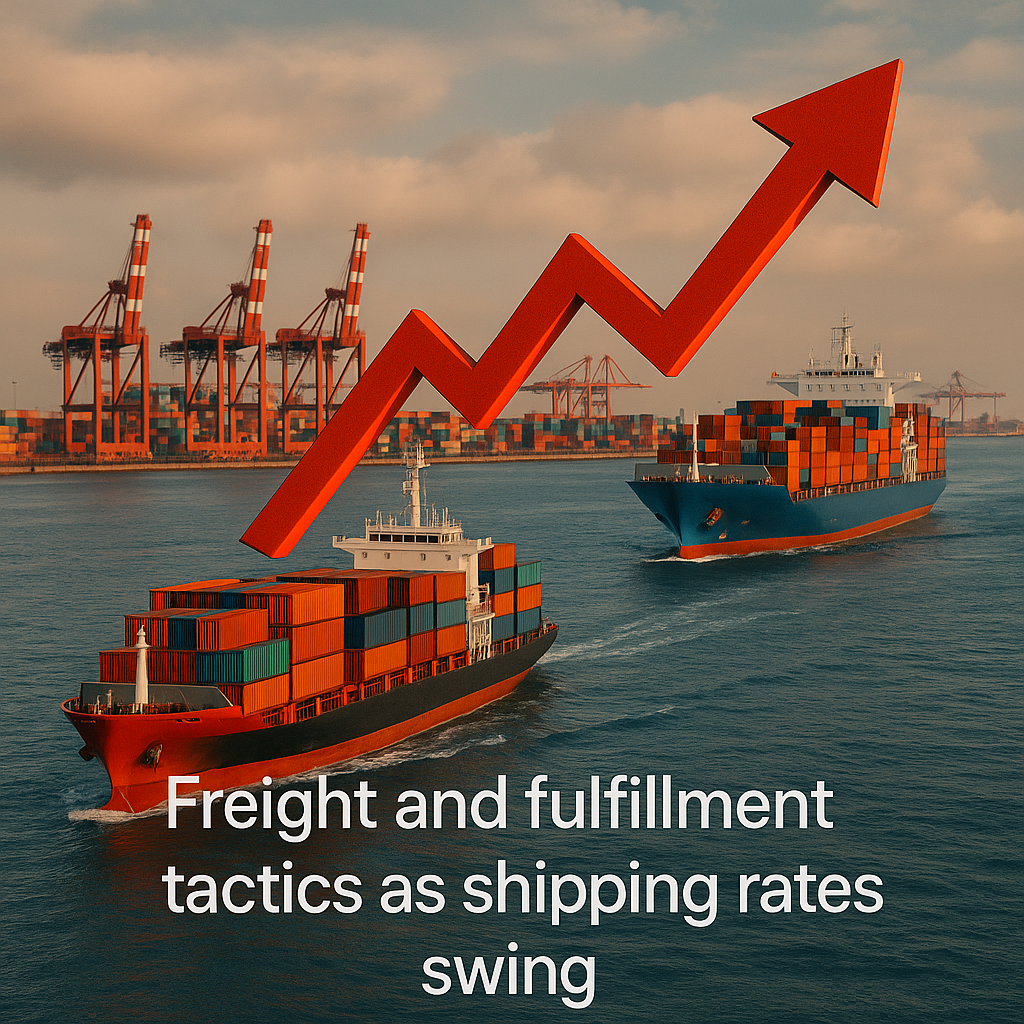
Shipping rates can be as volatile as the market itself, and freight and fulfillment operations are particularly affected. For entrepreneurs and small business owners, adapting to these changes is essential. Successfully navigating fluctuating shipping costs means adopting effective freight fulfillment tactics during shipping rate swings to stay profitable and keep customers satisfied. This article provides insights on strategic shipping rate management and advanced freight and fulfillment strategies for fluctuating shipping costs.
Understanding the Shifting Landscape of Shipping Costs
The shipping sector is evolving rapidly due to global trends, fuel price volatility, and changing regulatory landscapes. As the cost of moving goods rises or falls, businesses must remain agile. Frequent shipping rate fluctuations require regular reviews of logistics strategies. While this volatility may seem daunting, it also creates opportunities for proactive business planning.
Monitoring market trends is a key strategy. Online tools and dashboards offer real-time updates on shipping rate fluctuations shipping dashboard guide, allowing businesses to identify favorable rate periods. With accurate data, companies can plan shipments during low-cost windows and negotiate better deals with logistics partners. Embracing digital transformation in logistics not only streamlines operations but also provides a competitive advantage.
Strategic Shipping Rate Management for Freight and Fulfillment
Effective shipping rate management goes beyond simple calculations—it involves aligning your business strategy with current logistical realities. Understanding when to expedite shipments versus consolidating orders is crucial. For example, batching shipments can be more cost-effective during high-rate periods, while expediting deliveries during low-rate periods can satisfy consumer expectations.
Small businesses can benefit from technology designed to simplify logistics management. Many software solutions now offer automated shipping rate comparisons and seamless integration with major carriers. These tools help entrepreneurs adjust delivery schedules and explore more cost-efficient options.
Maintaining an open dialogue with logistics partners can also lead to better rates and enhanced service reliability. Sharing business forecasts may secure discounts or exclusive deals that mitigate sudden price increases. For further insights on leveraging technology for growth, explore small business strategies at makebusiness.eu.
The Role of Advanced Freight and Fulfillment Strategies
As market conditions evolve, advanced freight and fulfillment strategies become increasingly critical for managing fluctuating shipping costs. These approaches go beyond choosing faster or slower shipping methods—they require a comprehensive view of the supply chain to optimize efficiency, reduce overhead, and enhance customer satisfaction.
Building strong relationships with multiple carriers is essential. Relying on a single partner can be risky when rates spike unexpectedly. A diversified carrier network not only offers more options but also fosters competition that can lower shipping costs over time. Additionally, partnering with third-party logistics (3PL) providers can provide access to bulk shipping deals and advanced management systems.
Automation in warehousing and order fulfillment is another effective strategy. Automated fulfillment centers reduce labor costs and increase order accuracy, which is crucial during periods of high demand or elevated shipping rates. Advanced fulfillment centers use predictive software to anticipate shipping trends and adjust operations, minimizing costs even during peak times. Learn more about how advanced fulfillment systems can transform your logistics operations.
Smart Tactics to Optimize Freight Fulfillment Amid Shipping Rate Swings
Optimizing freight fulfillment during shipping rate swings requires a continuous focus on improvement. One practical approach is to adopt flexible shipping options. Instead of adhering to a fixed daily schedule, consider dynamic scheduling that leverages off-peak times to lower costs.
Efficient packaging also plays a critical role. Streamlined, secure packaging not only protects your products but also reduces dimensional weight charges. Compact and lightweight packages may qualify for more favorable rate categories, resulting in long-term cost savings. In a competitive market, even small improvements in packaging can lead to substantial savings.
Understanding your customer base is equally important. Some customers value rapid delivery, while others are more concerned about costs. Offering multiple shipping options allows you to cater to different customer preferences while keeping operational expenses in check. Balancing customer expectations with efficient operations can significantly boost your bottom line.
Staying informed with industry news is key. Resources like Forbes and Entrepreneur frequently analyze shipping trends and offer forecasts. Such insights can serve as early warning signals for potential surges or drops in shipping rates, giving you time to adjust your strategies.
While some fluctuations in shipping rates are inevitable, implementing strategic and advanced logistical approaches can minimize negative impacts. By mastering shipping rate management for freight and fulfillment, entrepreneurs can position their businesses for sustained growth even in turbulent times. Each fluctuation is an opportunity to refine your strategy and strengthen your operations.
Embracing dynamic approaches allows you to maintain a competitive edge. By continuously refining your processes, integrating innovative technology, and monitoring market trends, you will be better prepared to manage shipping cost fluctuations. Whether through diversified carrier options, automated fulfillment systems, or innovative packaging methods, these investments yield cost savings, improved customer satisfaction, and enhanced operational efficiency.
In today’s competitive business environment, proactive freight fulfillment tactics amid shipping rate swings are essential. The future of shipping requires agility, innovation, and a commitment to continuous evolution. For entrepreneurs, staying informed, adaptable, and ready to embrace advancements in logistics technology is the key to sustaining success—even when shipping rates fluctuate wildly.
- Monitor market trends and adjust shipping schedules accordingly.
- Leverage technology for automated logistics management and cost savings.
- Develop diversified relationships with multiple carriers and explore 3PL partnerships.
- Optimize packaging efficiency and offer flexible delivery options to meet customer needs.


