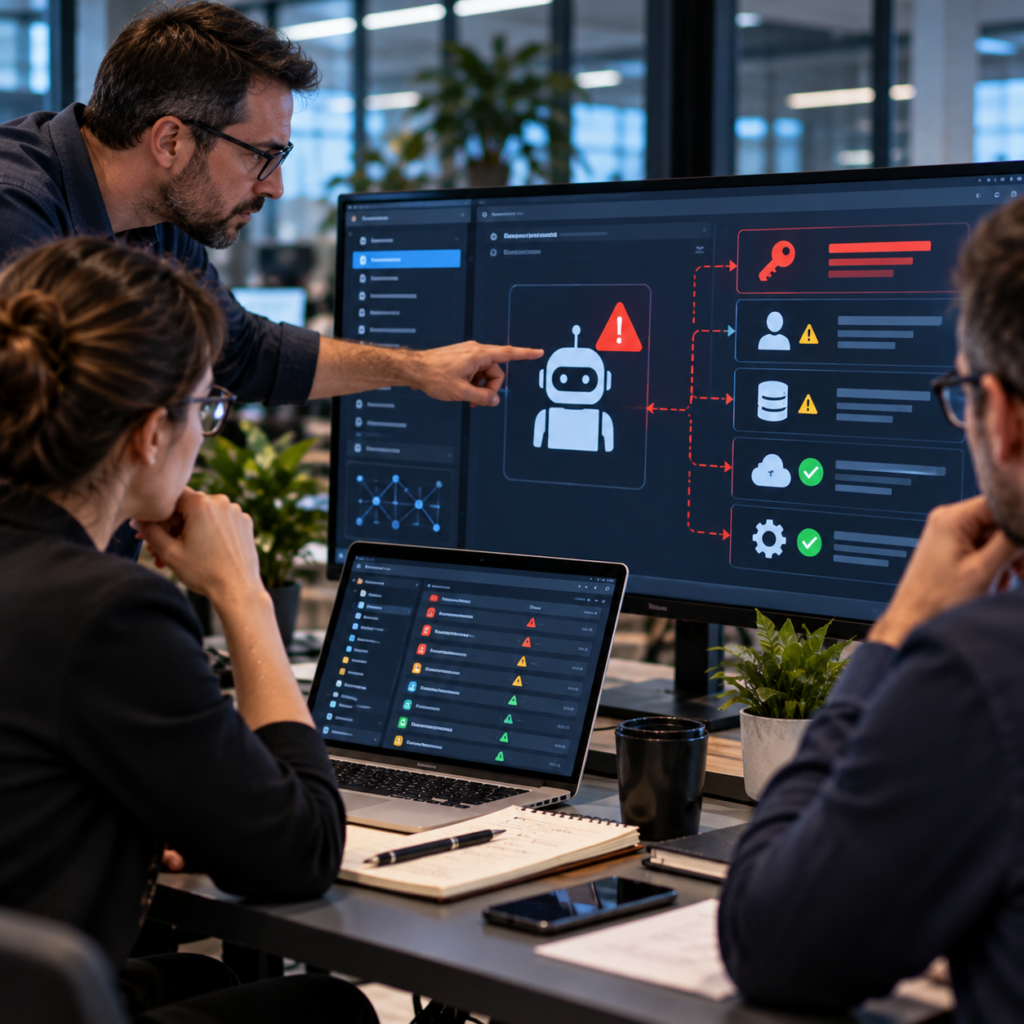
In today’s dynamic business landscape, entrepreneurs and small business owners face the constant challenge of innovating, reducing costs, and enhancing service delivery. With rapid technological advancements, artificial intelligence (AI) and machine learning have evolved from buzzwords into indispensable tools for operational excellence. Embracing these innovative technologies not only automates mundane tasks but also revolutionizes operational process optimization. By integrating AI-driven solutions, businesses are achieving higher efficiency and unlocking new pathways for growth.
Transforming Business Operations Through Advanced Analytics
The influence of AI on operational efficiency extends far beyond replacing repetitive tasks. AI transforms data analysis, forecasting, and decision-making processes, enabling businesses to anticipate customer behaviors, optimize inventory management, and streamline supply chain operations in real time. Advanced AI tools sift through extensive datasets to deliver actionable insights, empowering business owners to make faster, more confident decisions.
This paradigm shift is driving companies to adopt strategies that not only reduce costs but also foster innovation. With increasingly sophisticated algorithms, tasks previously considered too complex for automation are now effectively handled by AI platforms. This allows entrepreneurs to focus on strategic planning and creative problem-solving, fostering a culture that values innovation and continuous improvement. For additional strategies on operational optimization, check out our internal post on Innovation in Operations.
Implementing Machine Learning for Data-Driven Operations
Machine learning is proving that data-driven operational improvement is accessible to businesses of all sizes, not just large enterprises. Today’s user-friendly machine learning tools enable even resource-limited organizations to harness the power of data. By analyzing historical trends, machine learning models can forecast seasonal demand, identify performance bottlenecks before they occur, and recommend pricing adjustments to maximize profit margins.
For instance, a local retailer can leverage machine learning to optimize inventory levels. By analyzing customer purchase histories, weather data, and local events, the system can predict demand surges. This proactive approach helps avoid inventory shortages or overstock situations, ensuring smoother operations and improved profitability. Whether your business is in its early stages or ready for expansion, these adaptable machine learning strategies provide critical insights to drive smarter decisions.
Real-World Impact and Strategic Integration
AI’s practical applications extend across various industries, fundamentally transforming everyday business operations. Integrating AI into operational processes has proven to enhance workflow efficiency, optimize scheduling, improve customer service through intelligent chatbots, and even forecast maintenance needs to prevent equipment failures.
One of the key benefits of AI-driven operational process optimization is its ability to support proactive management. Utilizing predictive analytics, business owners can preempt potential issues before they escalate, reducing downtime, cutting repair costs, and significantly boosting customer satisfaction. As highlighted on MakeBusiness, investing in AI technologies is a strategic move towards building robust operational structures that adapt swiftly to market changes. For insights on leveraging data analytics in your business, see our article on Advanced Analytics Tips.
Global thought leaders, including those featured in a recent Forbes article, emphasize that AI adoption is not solely about technology—it is about fostering a forward-thinking culture that prepares companies for evolving market demands. Business owners must integrate technology with a human-centric approach that prioritizes continuous learning and flexibility.
Navigating Future Trends and Embracing Continuous Evolution
The future of AI and machine learning holds tremendous promise for businesses of all sizes. As these technologies become more deeply integrated into daily operations, expect to see even more advanced forms of optimization—ranging from hyper-personalized customer interactions to sophisticated fraud detection and autonomous decision-making systems.
Entrepreneurs should focus on a balanced approach: rapidly adopting technology while ensuring thoughtful integration. Starting small—such as implementing AI in customer service, inventory management, or predictive maintenance—allows businesses to scale gradually as they reap tangible benefits.
Success in this technological revolution hinges on continuous education and adaptability. Training teams to collaborate with AI, understanding the ethical implications of data use, and preparing for changes in workforce dynamics are essential steps. Proactive adaptation not only positions businesses for future growth but also creates a competitive advantage that drives long-term success.
Moreover, establishing feedback loops where technology and strategy inform each other is crucial. An iterative approach to learning and refinement enables businesses to continuously enhance their operational models. History shows that organizations willing to experiment, learn from setbacks, and make data-driven adjustments are the ones that thrive.
Integrating AI and machine learning into your operations is not a one-time project—it is an ongoing journey. As technology matures, so will your ability to harness its full potential. By gradually embedding these tools into the core of your operations while maintaining agility, you ensure that your technological investments yield lasting benefits.
- AI-driven operational process optimization streamlines tasks and delivers strategic benefits.
- The impact of AI extends beyond cost savings to drive innovation and proactive management.
- Machine learning empowers businesses with data-driven insights and enhanced forecasting accuracy.
- Adapting to technology trends requires a balanced approach, continuous learning, and scalable solutions.