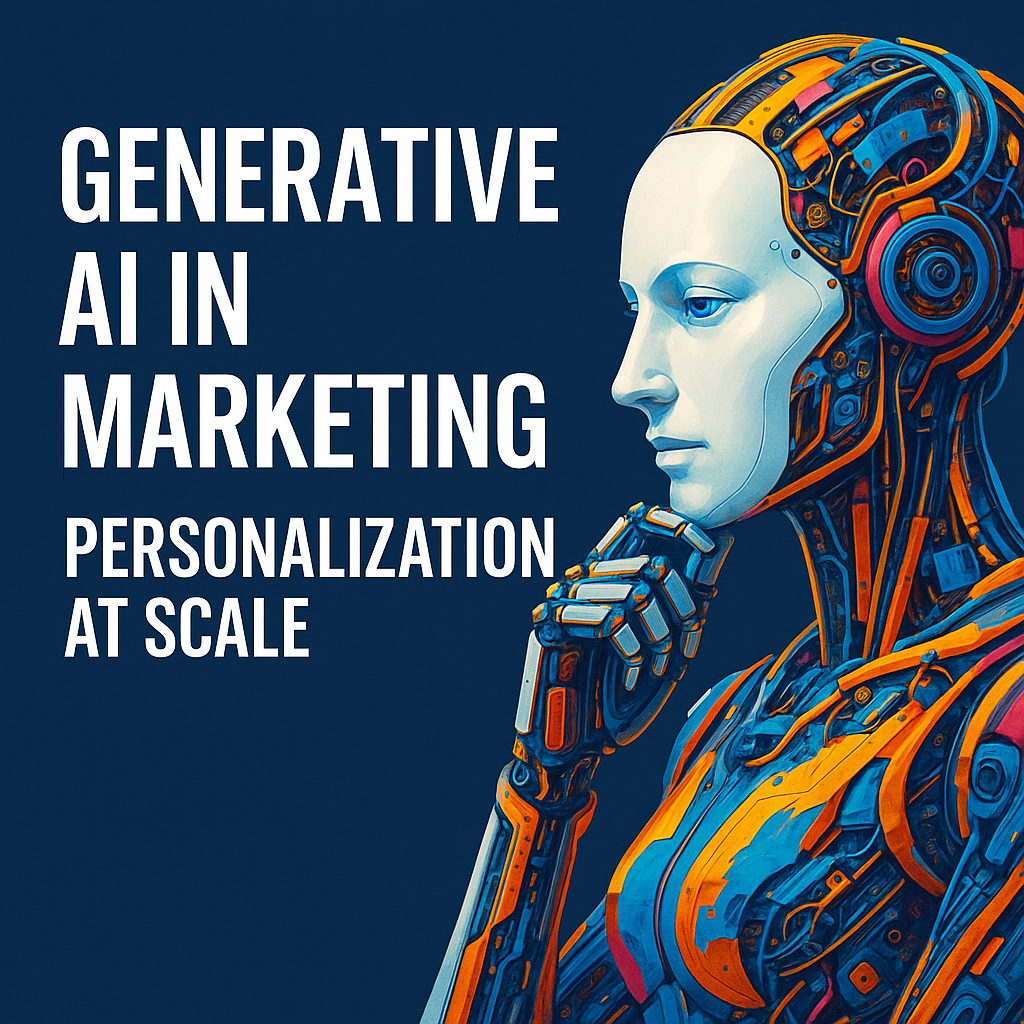
In today’s competitive digital landscape, entrepreneurs and small business owners continuously seek innovative ways to build strong customer relationships without breaking the bank. Generative AI is revolutionizing digital marketing by delivering hyper-personalized experiences that scale effortlessly. This transition from generic messaging to targeted communication creates genuine engagement and drives measurable results.
Understanding Generative AI’s Impact on Marketing
The evolution of marketing technology has been remarkable. What began with basic analytics and automation has now given way to advanced generative AI, enabling scalable marketing personalization for businesses of all sizes. Modern AI platforms create bespoke content, design tailored offers, and even respond to customer queries with a natural, conversational tone. This efficiency is a game changer for small businesses managing multiple tasks on limited resources. For a deeper dive into these innovations, check out our discussion on personalized marketing strategies.
Entrepreneurs are discovering that generative AI not only cuts costs but also removes the need for large creative teams. Instead, machine learning algorithms analyze audience behavior and deliver content that resonates with each unique segment, ensuring every message feels personally crafted.
How Hyper-Personalization Is Shaping the Future
As customer expectations soar, the demand for personalized interactions grows. Generative AI makes hyper-personalization more accessible than ever by leveraging real-time data and analytics. AI tools adapt marketing content on the fly to suit the unique preferences and behaviors of diverse consumer segments.
Imagine an online retailer using these insights to offer individualized product recommendations or a local café sending tailored email offers to its loyal customers. By implementing generative AI for hyper-personalization, businesses can communicate more directly, build trust, foster loyalty, and boost conversion rates.
A recent Forbes article highlights how artificial intelligence is redefining customer experiences across industries. This trend underscores the importance of integrating AI-powered tools into marketing strategies to stay ahead of the competition.
Real-World Applications and Practical Insights for Business Owners
Every business is unique, and generative AI offers adaptable solutions for a variety of challenges. Small business owners can deploy AI-driven chatbots to provide instant, relevant support, ensuring customers feel valued and understood.
Personalized email campaigns and AI-generated social media posts are just two examples of how technology integrates seamlessly into everyday marketing practices. These tools generate natural, data-backed messaging that evolves as your business grows. User-friendly and scalable, AI platforms empower startups to quickly respond to market demands and expand their operations.
For actionable online insights, business owners can explore resources on innovative business strategies. This trusted hub offers practical advice designed to help entrepreneurs stay on top of emerging technology trends.
From Strategy to Execution: A Balanced Approach
Successfully integrating generative AI into your marketing strategy means balancing cutting-edge technology with a deep understanding of your customers. Start by identifying key areas where personalization can make the biggest impact—whether in email marketing, content creation, or real-time support. Invest in a robust AI platform that supports scalable marketing personalization, setting the stage for sustained, long-term engagement.
For instance, a small e-commerce business might use AI to analyze browsing patterns and automatically generate personalized product descriptions or dynamic offers. Over time, these targeted adjustments can significantly boost conversion rates. Leveraging generative AI enables businesses to engage in one-to-one communication at scale.
This transformation is both technical and creative. By understanding your audience’s habits and preferences, you can tailor messages with precision while letting technology handle the heavy lifting. This allows you to focus on strategic decisions that enhance customer satisfaction and accelerate business growth.
Finding the right balance between AI automation and genuine customer engagement is essential. While AI fine-tunes your outreach behind the scenes, your vision and insight keep your brand relatable and trustworthy, ensuring lasting customer relationships.
- Generative AI empowers small business owners to create tailored marketing content without the need for a large creative team.
- Advanced AI tools deliver personalized experiences by precisely analyzing customer data.
- Hyper-personalization drives customer trust, loyalty, and higher conversion rates.
- Integrating generative AI strategies balances technological automation with authentic customer engagement.


