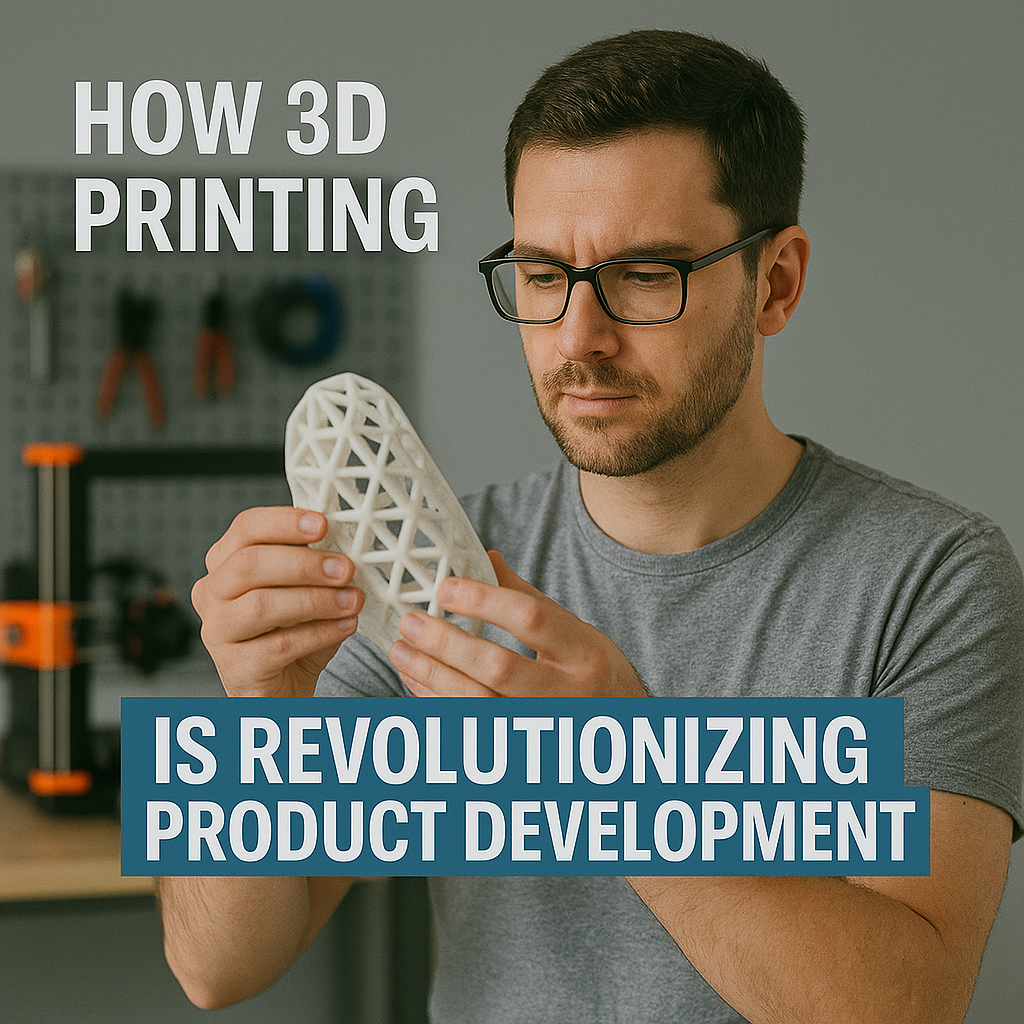
A printed prototype is useful only when the team can explain what it was intended to test and what the result supports. Use this worksheet to keep design versions, build conditions and acceptance evidence together. For choosing a process or supplier, read the 3D-printing prototyping decision guide.
Write the acceptance question
Choose one development question, such as whether a cover can be assembled without interfering with a connector. Specify the relevant dimension or observation, the acceptable result and who can approve it. Avoid a vague objective such as “make the design better.”
A fit-check prototype should be labelled as a fit check. It should not be reused as proof that the product meets load, temperature or regulatory requirements.
Keep a build record
| Field | What to record |
|---|---|
| Design | File name, revision and units |
| Purpose | The test question and excluded uses |
| Build | Supplier or machine, process, material and relevant settings |
| Preparation | Orientation, supports and agreed post-processing |
| Inspection | Measurements, method and instrument where relevant |
| Decision | Accepted, revised or rejected; owner and date |
Inspect before asking users to evaluate it
Check identity and revision, obvious damage, incomplete features and the dimensions relevant to the question. Document any difference from the intended design. A photograph can show appearance but does not replace a measurement when a dimension drives the decision.
Use a test appropriate to the risk and qualified help where needed. NIST’s part-qualification research highlights that dimensions, defects and mechanical properties present distinct measurement challenges.
Make changes traceable
In an illustrative cover-fit test, the first revision might interfere with a connector while the second increases clearance. Keep both revision records and use the same assembly method for comparison. Record whether the result comes from a design change, finishing work or a different build condition.
If several things change at once, do not claim the test identifies which change caused the improvement. Mark that limitation and plan a more controlled comparison if the distinction matters.
Close the development decision
Retain the accepted criteria, observed result, photographs where useful, remaining uncertainties and next action. Track the total cost of the iteration, including design work, build, finishing and inspection. Decide whether the evidence is sufficient for the next stage, not whether the prototype merely looks impressive.
Use the milestone review worksheet to manage unresolved tests. More development resources are in the Technology section.