The rapid transition to remote and hybrid work has forced businesses to rethink their operational strategies. In today’s dynamic landscape, artificial intelligence is becoming essential in enhancing workplace efficiency. Entrepreneurs and small business owners are discovering that AI not only streamlines communication and project management but also fosters a collaborative and productive environment. By leveraging innovative tools that boost remote work productivity and develop smarter hybrid work solutions, companies are well-positioned to thrive in competitive markets.
Transforming Remote Operations with AI Technology
Modern companies are increasingly focused on AI enhanced remote work productivity. With teams working from multiple locations, the demand for reliable communication and efficient task management has never been higher. AI-driven platforms automate routine tasks, enabling employees to engage in creative problem-solving. From automating scheduling and data entry to monitoring team progress, AI solutions are proving indispensable.
For example, AI-powered chatbots and virtual assistants integrated into popular communication tools can quickly answer common questions, recommend next steps, and even schedule meetings. As these platforms learn from user interactions, they offer more personalized support, significantly reducing manual administrative work and boosting overall team effectiveness.
Building a Collaborative Environment with AI-Powered Hybrid Solutions
Businesses are increasingly adopting artificial intelligence hybrid work solutions to manage both in-office and remote teams more effectively. These hybrid models use AI to maintain seamless communication, regardless of location. For instance, AI systems can dynamically adjust meeting schedules to accommodate different time zones, ensuring every team member stays informed.
Intelligent collaboration tools further enhance productivity by analyzing contributions during virtual meetings, tracking participation, and automatically summarizing key discussion points. This approach fosters a culture of transparency and accountability while preserving valuable insights for future reference. For more on effective hybrid practices, see Hybrid Work Models: Enhancing Collaboration. Small businesses, in particular, benefit from these solutions as they promote equality among employees and ensure that remote contributions are recognized.
Internal resources on innovative business strategies illustrate how technology, combined with human ingenuity, can drive success. Incorporating AI into daily operations is not just about adopting new technology—it’s about reimagining your entire business model to adapt to rapid market changes.
Optimizing Remote and Hybrid Work with AI
Modern AI applications offer significant advantages for optimizing remote and hybrid work. When seeking to enhance remote and hybrid work with AI, the focus should be on improving communication, streamlining project management, and ensuring robust data security. AI can process large volumes of data in real time, providing actionable insights that lead to faster, more informed decision-making.
Predictive analytics powered by AI can identify potential bottlenecks in project timelines, enabling proactive interventions before minor issues escalate. This not only keeps projects on schedule but also boosts employee morale as teams feel supported and valued. For additional insights, check out predictive analytics.
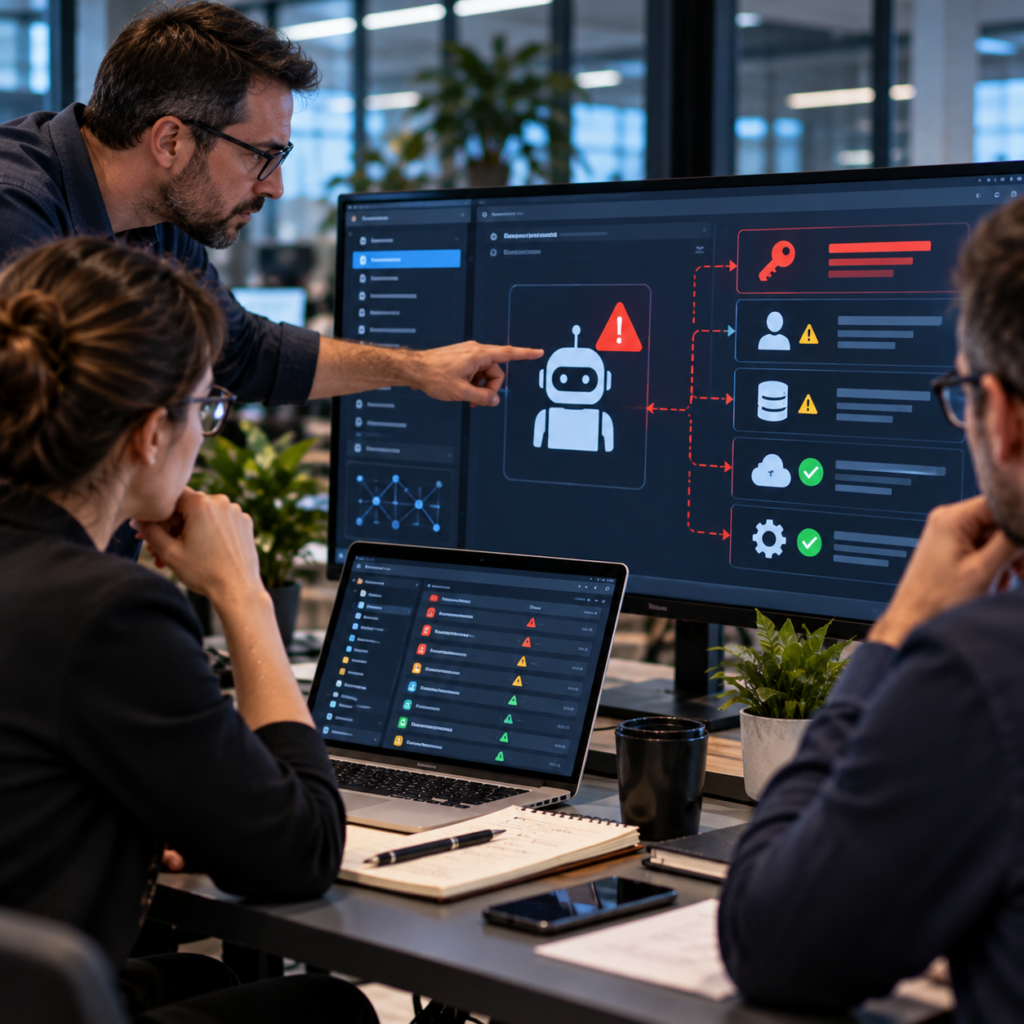
Cybersecurity remains a critical concern, especially for remote teams. AI-enhanced security protocols quickly identify unusual activities, preventing data breaches and cyber-attacks before they impact operations. By integrating AI into security measures, companies can better defend against emerging digital threats.
Integrating AI Solutions for Sustainable Growth
For businesses planning for the long term, integrating artificial intelligence is key to sustainable growth. Entrepreneurs and small business owners must explore how AI can seamlessly blend into their existing infrastructure without disrupting daily operations. A phased rollout of AI solutions allows staff to gradually adapt while continuously benefiting from increased efficiency.
This gradual approach prevents employees from feeling overwhelmed by rapid changes. Training sessions, practical demonstrations, and robust support resources ensure team members quickly grasp AI capabilities, making the transition smoother and more effective. As each layer of AI integration is added, overall efficiency and morale steadily improve.
Beyond enhancing productivity, AI plays a strategic role in forecasting and planning. Business intelligence platforms powered by AI analyze market trends, customer behavior, and internal performance metrics to provide insights that are critical for strategic planning. This allows small businesses to swiftly adjust to market shifts, building resilience and driving long-term growth.
Investing in comprehensive training is as important as selecting the right software. With proper guidance, employees become proficient with new AI tools, empowering them to drive innovation. As technology evolves, businesses that invest in AI not only streamline operations but also secure a competitive edge in a rapidly changing marketplace.
A Forbes report highlights that companies embracing digital transformation experience unprecedented improvements in productivity and communication. By staying informed about AI advancements, businesses can maintain agility and innovation in the face of constant change.
Today, business leaders must recognize that AI is more than just another tool—it is a strategic partner. Whether your goal is to boost AI enhanced remote work productivity or integrate artificial intelligence hybrid work solutions into your operations, the benefits are transformative.
By taking incremental steps to implement these technologies, entrepreneurs and small business owners can create a work environment that meets the evolving needs of remote and hybrid teams, while also preparing for future challenges with confidence. The result is an empowered workforce, efficient operational strategies, and sustainable business growth.
- AI streamlines administrative tasks, leading to improved remote work productivity.
- Hybrid work models benefit from intelligent scheduling and advanced collaboration tools.
- Predictive analytics and enhanced security protocols protect workflows and data integrity.
- Gradual integration and comprehensive employee training ensure sustainable adoption of AI solutions.