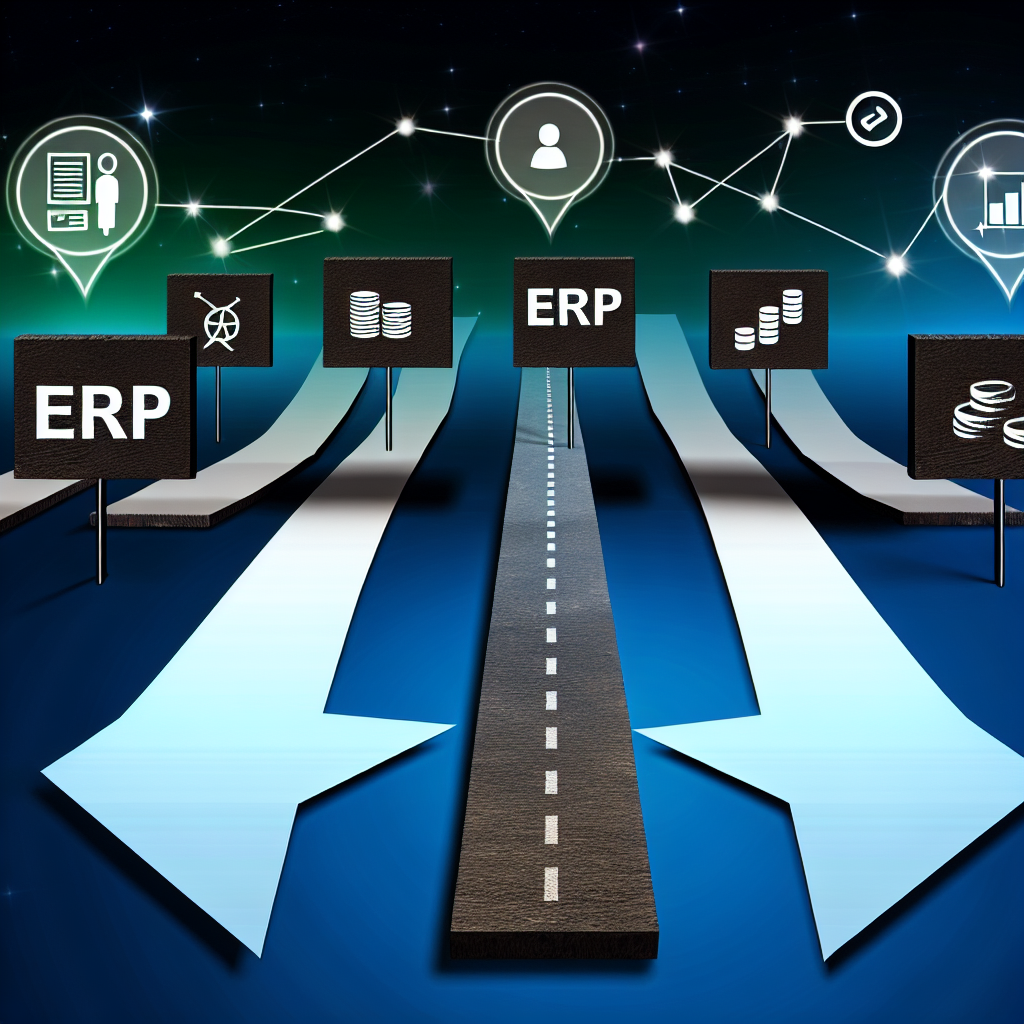
Small business owners and entrepreneurs understand that every new technology must drive overall business success. Integrating an ERP system is one of the most significant yet rewarding decisions you can make. For leaders looking to improve productivity and boost the bottom line, effectively aligning ERP implementation with business goals is essential. This article provides actionable insights and a practical, step-by-step guide for merging ERP systems with your business strategy.
Understanding Your Business Environment
An ERP system is not a one-size-fits-all solution—it needs to be tailored to your unique business environment. Before starting any project, it is essential to fully understand your business processes, identify current challenges, and define your long-term objectives. Ask yourself: Which processes can benefit from ERP automation? How will improved cost efficiency, customer service, and streamlined operations drive your success?
This initial phase is critical in setting the roadmap for a successful ERP implementation. By following a structured guide for ERP implementation and business strategy alignment, you can ensure that all crucial questions are addressed and that your ERP technology is perfectly integrated with your overall business objectives. Begin with an internal assessment by analyzing data flow, inventory control, sales channels, and customer service operations. Identifying inefficiencies provides a clear basis for aligning your new ERP system with measurable business goals.
Effective communication across all departments during this phase is invaluable. Employees on the front lines can offer insights that management might overlook, fostering a sense of ownership that smooths the transition to your new system.
Cultivating a Clear Vision for ERP Integration
After gaining a comprehensive understanding of your business environment, the next step is to develop a clear vision outlining how the ERP system will address your challenges. Aligning ERP implementation with business goals requires visionary planning paired with practical execution. Set clear, measurable outcomes such as reducing redundancy, enhancing inventory management, or improving customer relationship management.
Many successful business owners assemble a cross-functional team of IT experts, managers, and frontline employees to help shape this vision. This collaborative team can create detailed process maps and pinpoint areas where the ERP system will drive efficiency. Incorporate specific milestones and key performance indicators (KPIs) to track your progress and success.
Scalability is another key consideration. As your business grows, your ERP system must adapt to increased data complexity and additional functionalities without causing disruptions. A flexible ERP solution is crucial for long-term success.
Navigating Implementation Challenges
Implementing an ERP system is a complex journey that comes with its own set of challenges. Entrepreneurs and small business owners must be prepared for transitional issues such as data migration hurdles, user resistance, and integration delays with existing systems. A robust strategy and clear, step-by-step guide for ERP implementation and business strategy alignment can help mitigate these risks.
Clear communication channels among all stakeholders are essential. Regular check-ins and feedback sessions help address potential issues early, while training sessions ensure employees quickly become proficient with the new system. When employees feel supported, overall productivity improves significantly.
Set up a dedicated ERP implementation team to oversee the process from planning to execution. This team should monitor progress, anticipate challenges, and adjust timelines as needed. Consider engaging technological advisory services or consulting with experts renowned for their ERP integration successes. Trusted publications like Forbes often underscore the value of expert guidance during major operational overhauls.
Developing a Roadmap for Successful Alignment
A detailed, actionable roadmap is vital for aligning your ERP system with your business strategy. Rather than simply installing new software and expecting immediate results, map out how each ERP component supports your business objectives. By embedding the ERP strategy into the company’s core processes, you enhance daily operations and long-term performance.
Divide the process into distinct phases: planning, execution, and monitoring. The planning phase involves evaluating current systems and defining needs; the execution phase focuses on seamlessly integrating the ERP system into your workflows; and the monitoring phase ensures that performance improvements and cost savings meet your expectations. This phased approach also allows for adjustments as business demands evolve.
Benefit from online resources and expert advice on tailoring technology to your business strategy. For more insights on system scalability and integration challenges, resources from Entrepreneur can be invaluable. Additionally, for tailored advice, visit MakeBusiness, where you can learn strategies that directly support your operational goals.
Remember, ERP integration is an ongoing journey. Include regular evaluation checkpoints in your roadmap to refine processes, upgrade software features, or pivot strategies as your business grows. Aligning technology with business strategy is not a one-time task—it requires constant attention and flexibility.
Integrating advanced technology with your vision not only improves operational efficiency but also fosters innovation. By setting clear objectives, engaging stakeholders early, and planning for challenges, your business is well positioned for long-term success. Stay flexible and monitor which areas yield the best return on investment, as ERP systems are more than just information management tools—they are catalysts for transforming your business into a more integrated, responsive, and forward-thinking enterprise.
Ultimately, the success of ERP integration hinges on understanding your unique business processes, listening to staff, and continuously refining your strategy. A detailed and collaborative approach ensures that every aspect of your ERP investment delivers value. Real success comes from strategic deployment combined with a keen understanding of industry trends. With careful planning and execution, your ERP system will become a cornerstone of operational excellence, propelling your business to new heights.
The fusion of technology and business strategy is transformative. By aligning daily operations with long-term objectives, you lay a robust foundation for growth and innovation—ensuring that your enterprise remains competitive in an ever-evolving marketplace.
- Conduct a thorough analysis of your current business processes to pinpoint areas for ERP integration.
- Establish clear objectives and KPIs that connect ERP functionalities to your business goals.
- Adopt a phased approach—from planning and execution to continuous monitoring and adjustment.
- Engage stakeholders at all levels to ensure smooth transitions and foster innovation.