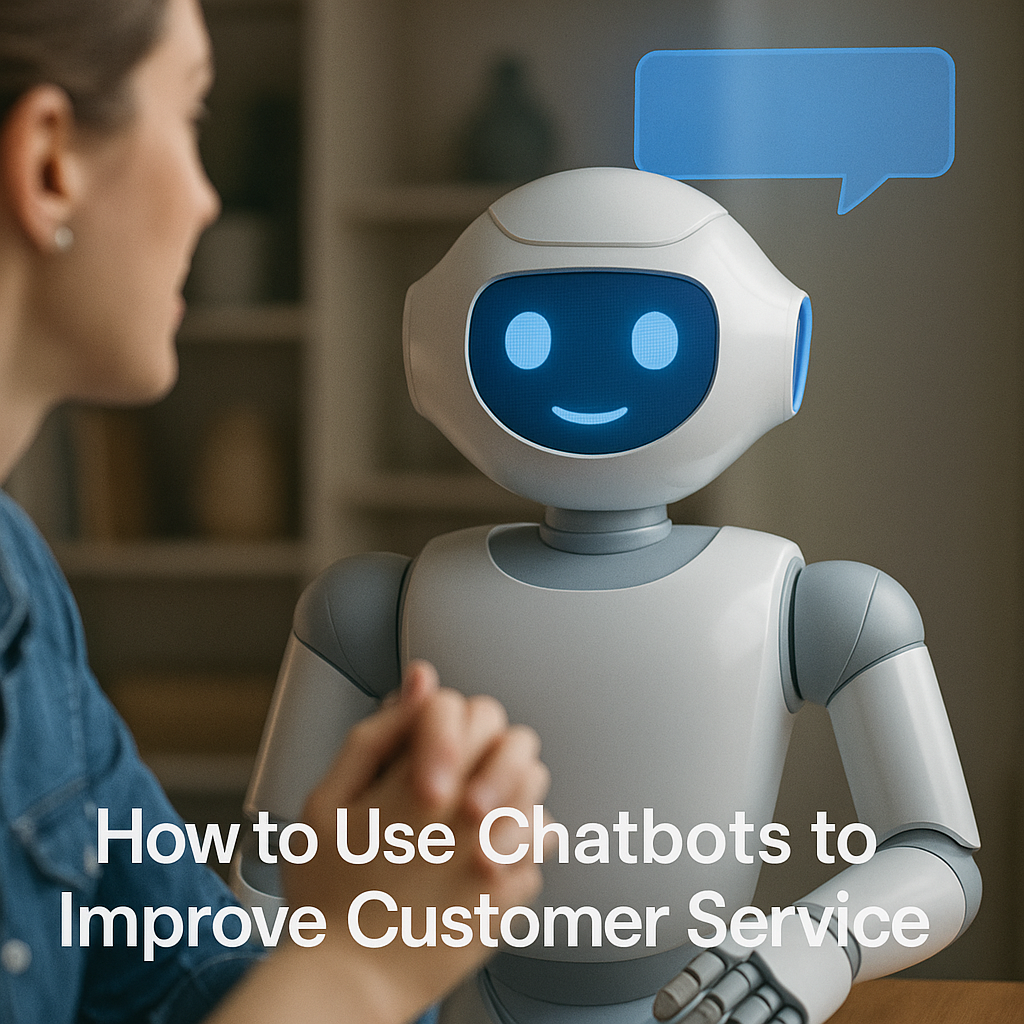
In today’s competitive marketplace, exceptional customer service is crucial for business success. Entrepreneurs and small business owners are increasingly turning to innovative solutions to boost response times, personalize interactions, and deliver efficient, engaging support. Chatbots have emerged as a powerful tool to transform customer service. This article explores how to enhance customer service with chatbots, presents proven strategies for success, and offers a step-by-step guide to seamlessly integrating chatbots into your support system.
The Role of Chatbots in Modern Customer Service
Chatbots are not just automated responders; they are intelligent tools powered by artificial intelligence and machine learning. These systems understand context, learn from interactions, and deliver personalized recommendations. For many small businesses, chatbots have revolutionized customer support by bridging traditional channels with the instant nature of digital communication.
By handling frequently asked questions and guiding users through complex processes, chatbots reduce the workload of support teams while ensuring customers receive immediate, around-the-clock assistance. This 24/7 availability significantly boosts customer satisfaction and loyalty.
Effective Chatbot Strategies for Customer Service Improvement
Implementing chatbots requires a thoughtful strategy and clear service goals. Consider the following effective chatbot strategies for enhancing customer service:
- Personalization: Design chatbots to collect user data and tailor responses. Personalized interactions make customers feel valued, even when engaged with an automated system.
- Omnichannel Integration: Integrate your chatbot with all customer service channels. Whether users contact you via your website, social media, or mobile app, the chatbot should deliver a consistent and seamless experience.
- Clear Escalation Paths: Recognize when a human touch is needed. Establish clear protocols for escalating more complex issues from the chatbot to a live representative.
- Continuous Feedback and Improvement: Regularly collect feedback and analyze chatbot interactions. This data helps refine responses, improve capabilities, and adapt to changing customer needs.
Using these strategies, you can reduce response times and ensure customers receive the right solutions at the right moment, ultimately elevating overall customer satisfaction.
Step by Step Guide to Using Chatbots for Customer Support
Ready to enhance customer service with chatbots? Follow this clear, step-by-step guide to create a responsive and effective chatbot system for your business:
1. Define Your Goals and Objectives
Start by pinpointing key areas where automation benefits your customer support. Whether you aim to reduce wait times, handle common questions, or streamline processes like booking appointments or tracking orders, defining these objectives will help you choose and configure the right chatbot platform for your business.
2. Choose the Right Technology and Platform
Explore various platforms offering different levels of customization and integration. Consider the technical expertise required and the platform’s scalability. Low-code or no-code solutions are ideal for many small businesses, enabling rapid deployment without extensive technical knowledge.
3. Develop a Conversational Flow
Create a detailed conversational flow that anticipates the range of customer inquiries. A well-designed dialogue ensures users feel understood and supported, even when interacting with an automated system. Plan follow-up questions, immediate responses, and a seamless path to human support when necessary.
4. Integrate and Test the Chatbot
Integrate the chatbot with your primary communication channels, including your website’s live chat, social media, or messaging apps. Conduct thorough testing to ensure the chatbot responds accurately and interacts naturally with customers. Pilot testing with a small audience segment can reveal potential issues and offer insights to improve the user experience.
5. Monitor, Analyze, and Iterate
Chatbot implementation is an ongoing process. Monitor performance using metrics like response times, customer satisfaction, and resolution rates. Analyze this data to identify areas for improvement and make regular adjustments to enhance the chatbot’s functionality. Continuous iteration is key to delivering a top-tier customer experience.
For additional insights, explore resources on Forbes to see how modern businesses are leveraging chatbots for growth.
Real-World Examples and Future Possibilities
Many businesses are already benefiting from chatbot integration. Retailers use chatbots to address inquiries about product availability and shipping details, while service providers deploy them to manage bookings and troubleshoot common issues.
Customer feedback has been overwhelmingly positive. Chatbots enable teams to focus on complex issues that require human insight, reducing operational costs while boosting customer satisfaction. As artificial intelligence evolves, expect even more sophisticated chatbots that understand customer sentiment and context at a deeper level.
Entrepreneurs and small business owners can find valuable growth strategies on platforms like Make Business, which offer comprehensive advice on scaling operations and digital marketing.
By adopting a strategic approach and leveraging chatbot technology, businesses can build a responsive, efficient, and customer-focused support system that not only meets but exceeds customer expectations. With clearly defined goals, seamless integration, and ongoing performance reviews, chatbots can truly transform your customer service operations.
While implementing this technology might seem challenging at first, breaking the process into manageable steps will help you integrate chatbots with ease. Over time, you’ll establish a system where customers feel heard, valued, and supported, all while streamlining your business operations.
As digital communication continues to evolve, chatbots are not just a temporary trend but a vital element of effective customer relationship management. Embracing chatbots today ensures your business is prepared to meet current demands while adapting to future market trends.
- Enjoy 24/7 support and rapid responses to common customer inquiries.
- Create a seamless, omnichannel experience by integrating chatbots across multiple platforms.
- Follow a step-by-step guide to implement and continuously optimize your chatbot.
- Leverage customer feedback to refine strategies and enhance overall service quality.