Leveraging Social Media for Your Online Store
In today’s dynamic digital landscape, a strong social media presence is essential for any successful eCommerce store. Whether you operate on Shopify, WooCommerce, or PrestaShop, integrating social media channels not only drives traffic but also boosts customer engagement and sales. Entrepreneurs and small business owners are increasingly combining these powerful tools to support brand growth and foster customer loyalty.
Social media integration goes beyond simply sharing product links. It involves creating an interactive experience that connects your online store with popular platforms like Instagram, Facebook, Twitter, and Pinterest. When executed correctly, this approach transforms casual browsers into loyal customers by engaging them in real-time conversations, delivering valuable content, and leveraging user-generated content.
Choosing the Best eCommerce Platform for Social Media Integration
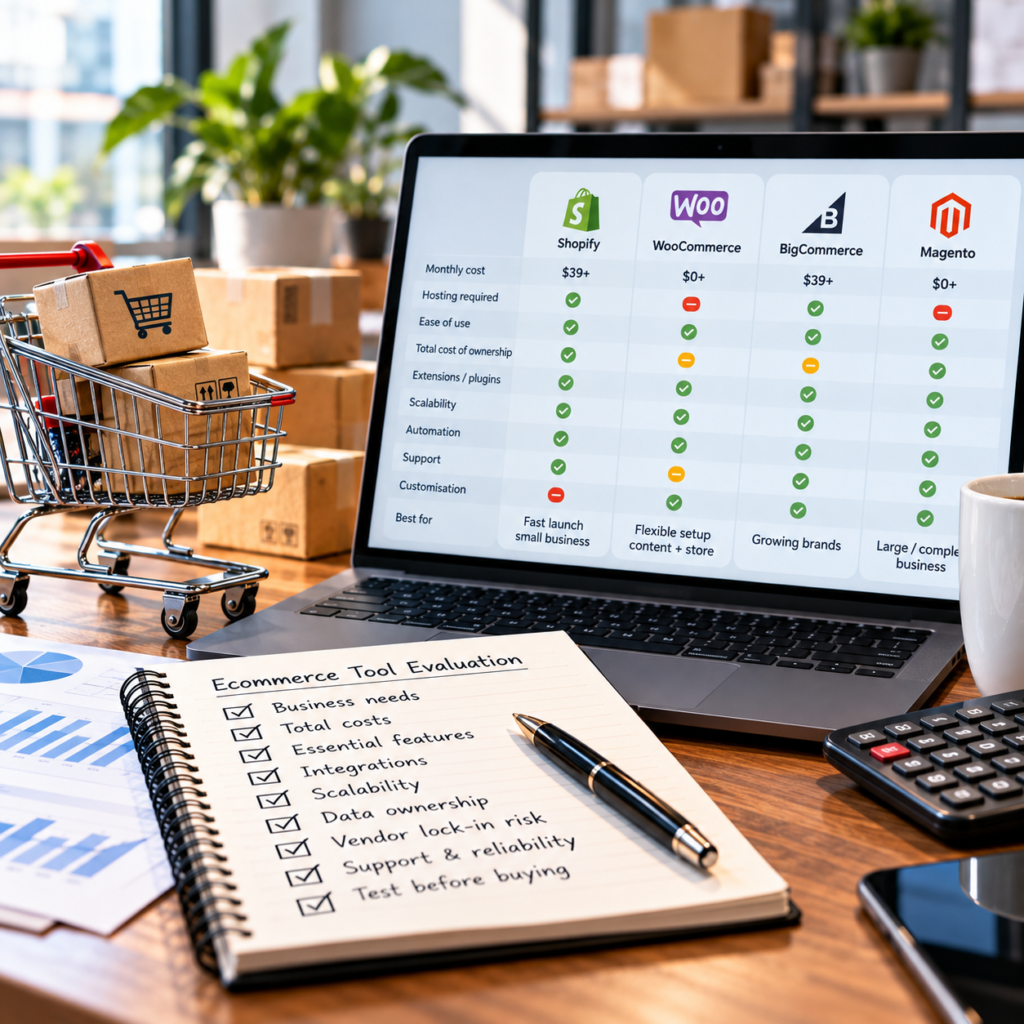
Each eCommerce platform offers unique advantages for social media integration. Shopify, for example, is renowned for its extensive app marketplace, providing seamless integration with popular social networks. This makes it incredibly easy to create shoppable posts and execute targeted ad campaigns. WooCommerce, combined with WordPress, offers flexibility and a vast array of plugins tailored to diverse business needs. Meanwhile, PrestaShop features robust built-in modules that enhance social sharing and support customer reviews. For a deeper dive into comparing platforms, check out Shopify vs WooCommerce Which Is Better for Your Online Store.
When evaluating your options, consider which platform best supports the social media features that matter most to your business. Are you aiming to build a vibrant community through engagement, or do you want to convert social media clicks into immediate purchases? Many small business owners have achieved success by leveraging tailored integrations that include automated social media posting, inventory synchronization, and detailed analytics for tracking engagement. Understanding your platform’s capabilities is key to selecting the right tools for boosting your online visibility.
Strategies to Enhance Your Social Media Integration
Begin by aligning your social media strategy with your business goals. The following actionable ideas can help you maximize your digital marketing efforts:
- Utilize Shoppable Posts: Platforms like Instagram and Facebook now allow you to create posts that enable users to shop directly within the app. By syncing your product catalogs from Shopify or WooCommerce to your social media profiles, you simplify the shopping experience and reduce friction in the purchase process.
- Boost Engagement with Interactive Content: Host live demos, Q&A sessions, behind-the-scenes tours, and customer testimonials to humanize your brand and build trust. These real-time interactions are especially effective for showcasing new products and exclusive promotions.
- Optimize and Track Your Campaigns: Use analytics tools available on your social media platforms and eCommerce backend to determine what resonates with your audience. Data-driven insights allow you to refine your strategy and invest in the channels that deliver the highest ROI.
For additional inspiration, consider expert advice and success stories available from industry leaders like Entrepreneur. These resources provide real-world examples that can help you fine-tune your social media integration tactics.
If you’re interested in exploring digital solutions tailored for eCommerce success, learn more from our experienced team at MakeBusiness. We offer a wealth of resources and expert guidance designed to help small businesses thrive online.
Practical Tips for a Seamless Integration Process
Integrating social media with your Shopify, WooCommerce, or PrestaShop store can be straightforward with a well-defined plan. Begin by analyzing your current customer engagement across different social platforms. Determine if your audience is more active on Facebook, or if they prefer visually driven platforms like Instagram or Pinterest, and tailor your strategy accordingly.
Consider these essential tips as you refine your integration process:
- Invest in Quality Visuals: High-resolution images and compelling videos make your products stand out. Ensure that your media files are optimized for each platform to provide fast load times and exceptional clarity.
- Create Regular, Engaging Content: Consistency is key in social media success. Schedule posts that feature a mix of product highlights, customer stories, and informative content that adds genuine value.
- Encourage User-Generated Content: Build a community by motivating customers to share their own experiences with your products. This not only builds trust but also provides authentic content that resonates with potential buyers.
- Leverage Social Media Advertising: Use advanced targeting options on various platforms to reach potential customers efficiently. Experiment with different ad formats to discover what works best for your business.
Staying updated with the latest trends and tools is crucial. Social media platforms consistently evolve, introducing new features that can give your store a competitive advantage. Regularly revisiting your strategy and exploring resources such as Best E-commerce Platforms for Small Businesses in 2025 ensures that you remain ahead of emerging opportunities.
Integrating customer feedback into your approach is equally important. Listen to your audience, respond promptly to their queries, and adjust your content strategy based on real interactions. This two-way communication cultivates a loyal customer base and positions your brand as one that genuinely values its community.
In an evolving digital marketplace, balancing a robust social media strategy with effective eCommerce operations is an ongoing process that demands adaptability and continuous improvement. By harmonizing these two components, entrepreneurs and small business owners can create a vibrant online presence that drives measurable results.
- Effective social media integration links online engagement directly to sales growth.
- Choosing the right eCommerce platform is vital for a seamless digital experience.
- Consistent and interactive content builds trust and fosters customer loyalty.
- Remaining current with trends and customer feedback is key to long-term digital marketing success.