
Latest News
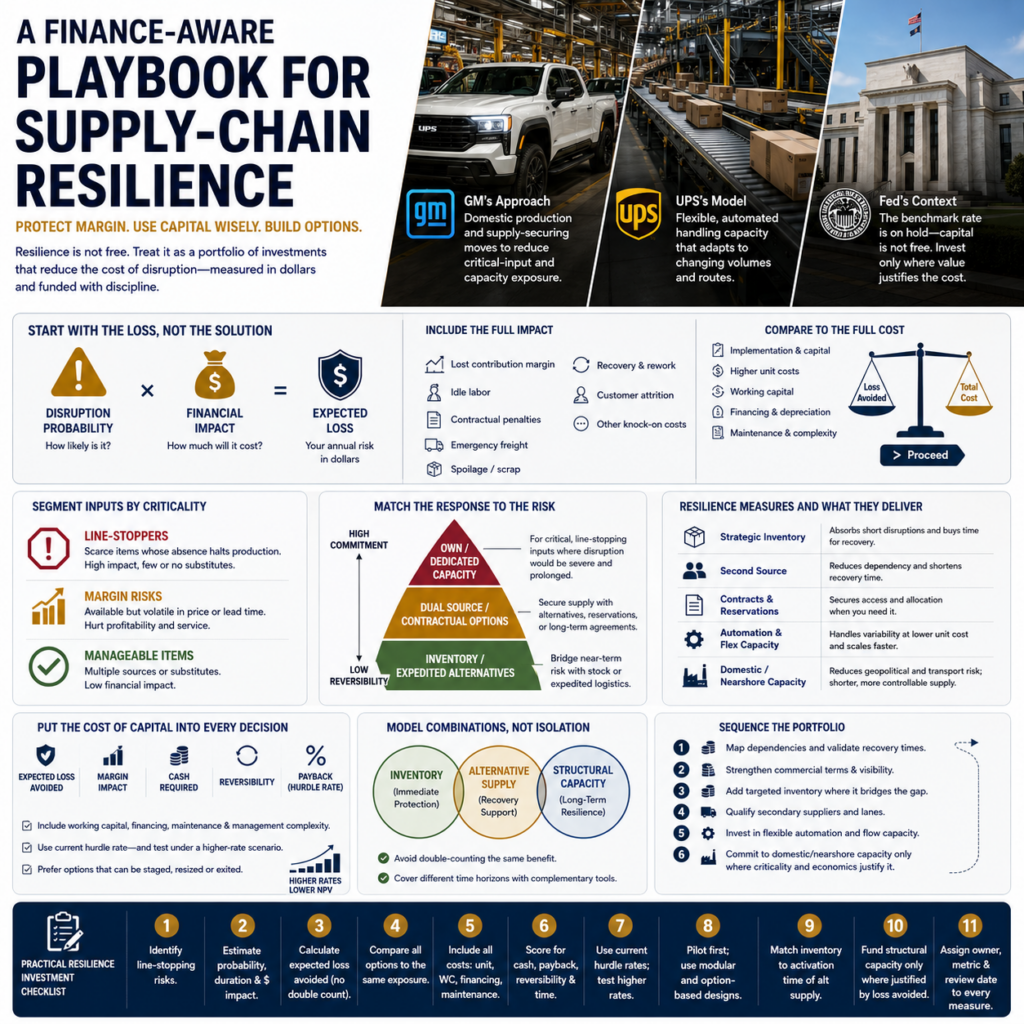
A Finance-Aware Playbook for Supply-Chain Resilience
Resilience is easy to endorse and difficult to fund. When commodities, freight and borrowing all remain expensive, operators cannot simply add suppliers, inventory, domestic capacity and automation at once. Each measure absorbs cash or raises operating costs, while its benefit—the disruption that never happens—is uncertain. The better approach is to treat resilience as a portfolio […]
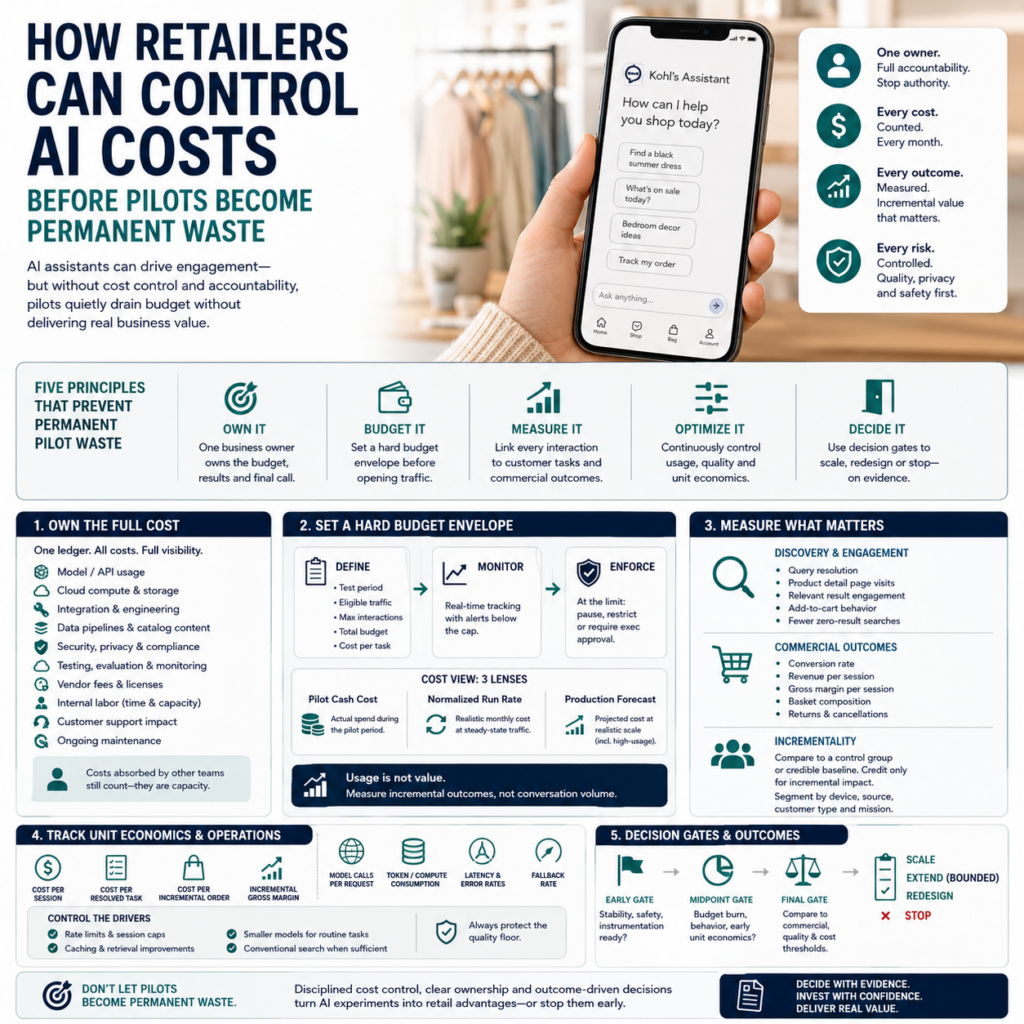
How retailers can control AI costs before pilots become permanent waste
Customer-facing AI can move from experiment to recurring expense faster than retailers can determine whether it creates value. A shopping assistant, for example, may require model usage, cloud infrastructure, data pipelines, systems integration, product-catalog maintenance, security controls and ongoing evaluation. If those costs sit across several departments, the pilot can survive without anyone seeing its […]
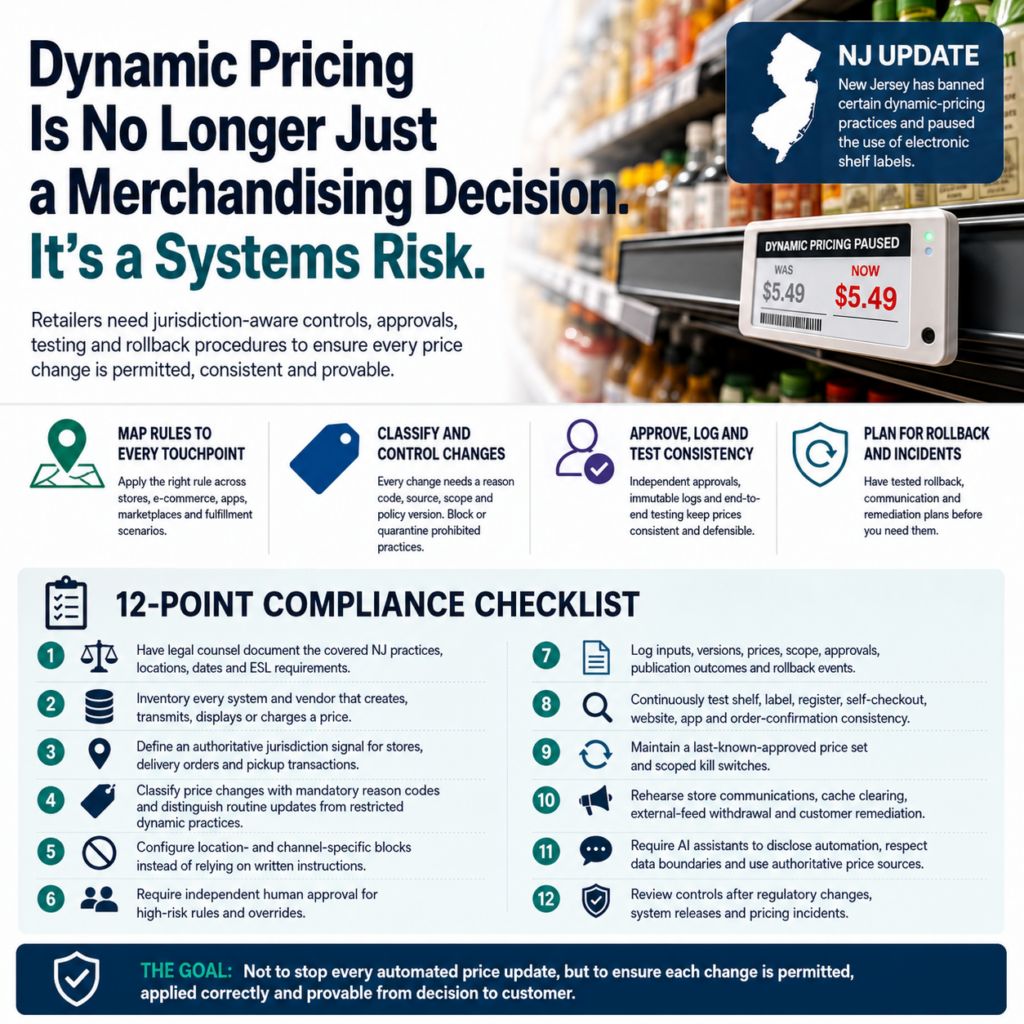
Dynamic-pricing regulation is now a retail systems risk
Dynamic pricing is no longer only a merchandising decision. For retailers operating automated pricing across stores, websites and apps, it is becoming a systems-governance issue: a pricing rule can be commercially sound yet impermissible in a particular location, channel or context. New Jersey’s action banning certain dynamic-pricing practices and pausing the use of electronic shelf […]
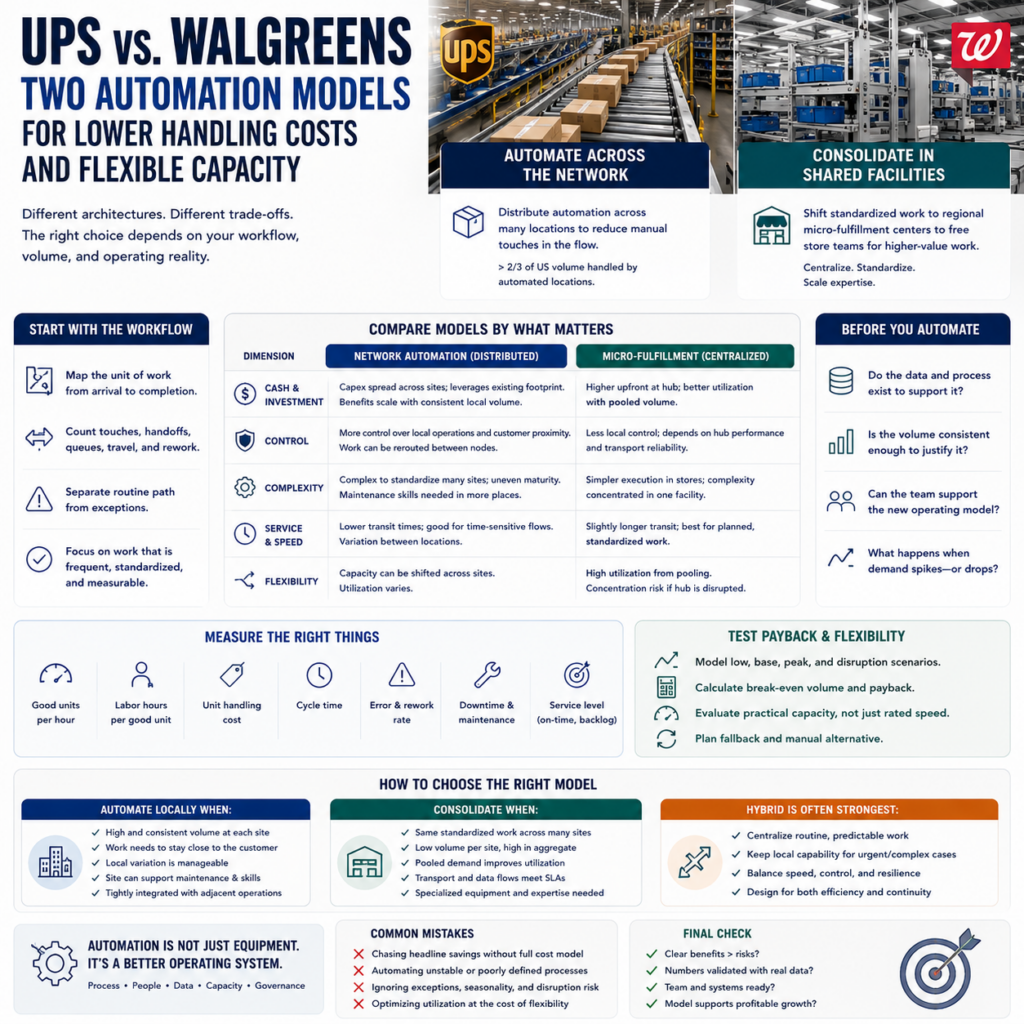
UPS vs. Walgreens: Two Automation Models for Lower Handling Costs and Flexible Capacity
High-volume automation is not one strategy. UPS and Walgreens illustrate two distinct architectures: automate work across an existing operating network, or consolidate repetitive work in a shared facility. Both can reduce manual handling, but they create different dependencies, cost structures and options during demand swings. UPS has expanded automated package handling across its US network, […]
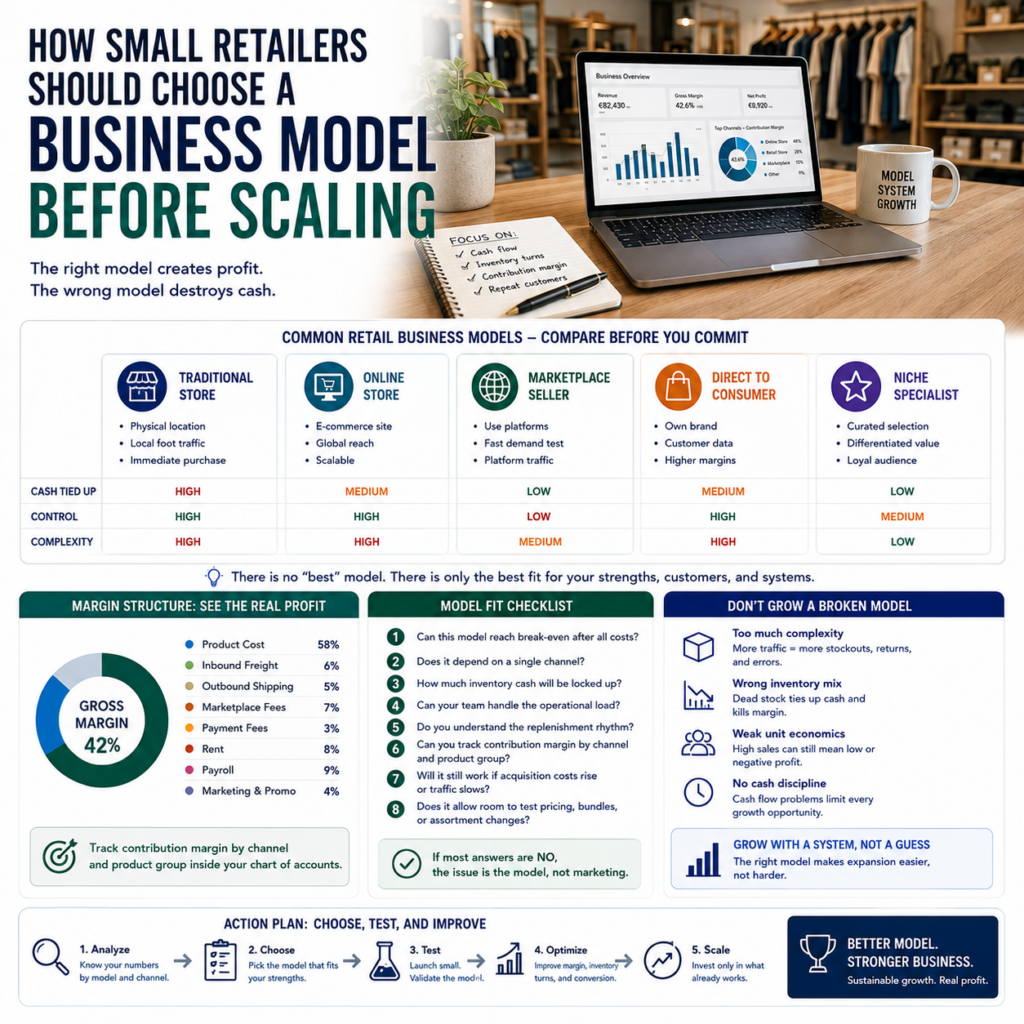
How Small Retailers Should Choose a Business Model Before Scaling
Retail growth is often framed as a marketing problem, but the real constraint is usually the business model. A store that sells the wrong mix of products, carries the wrong amount of inventory, or depends on the wrong sales channel can look busy while quietly leaking cash. The decision is not whether to grow, but […]
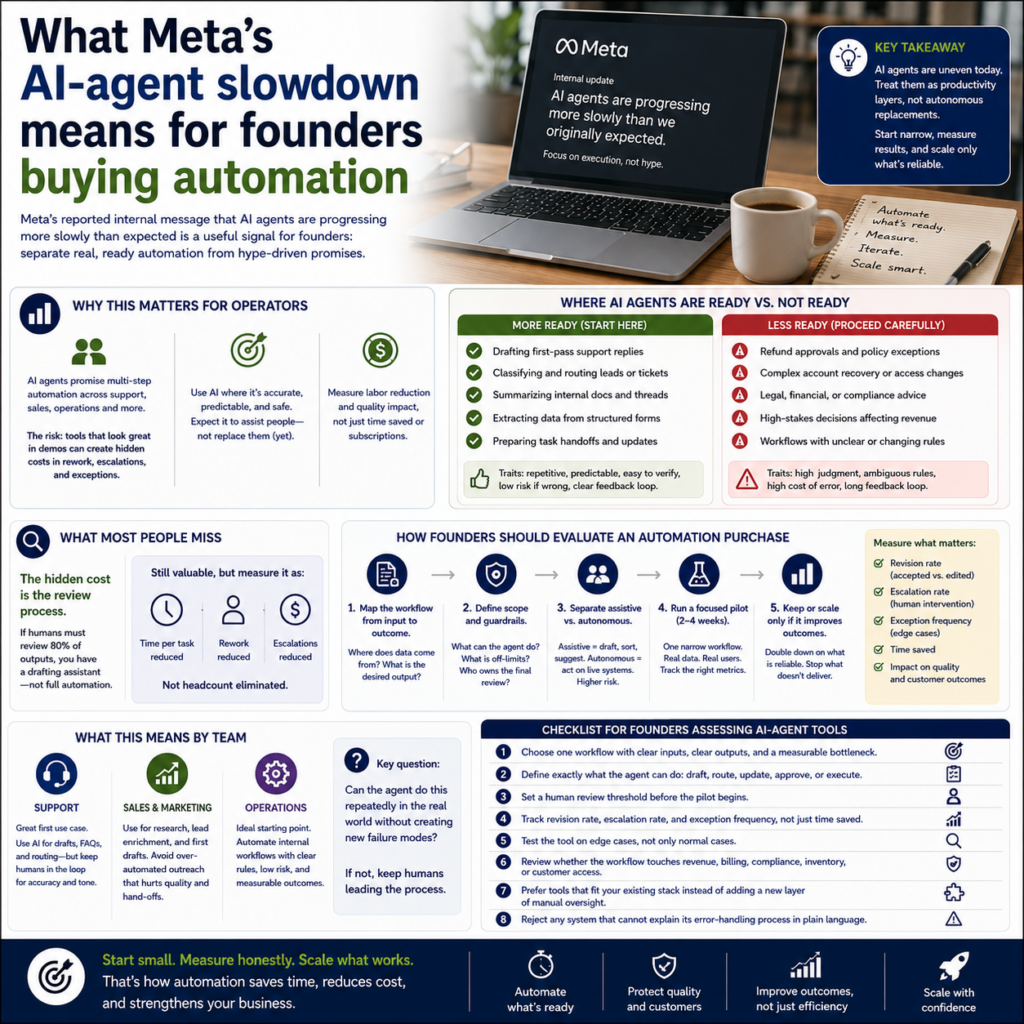
What Meta’s AI-agent slowdown means for founders buying automation
Meta’s reported internal message that AI agents are progressing more slowly than expected is not just a Big Tech story. For founders, it is a […] ...
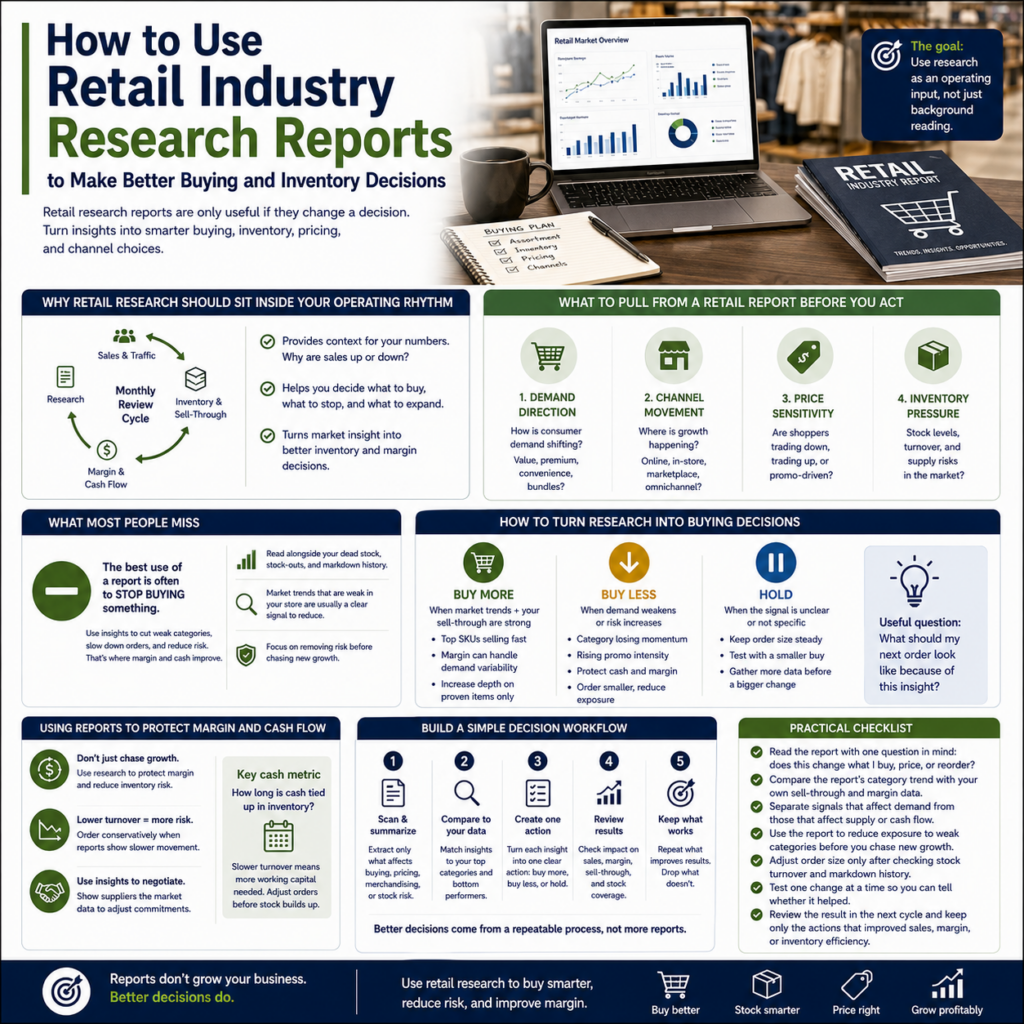
How to Use Retail Industry Research Reports to Make Better Buying and Inventory Decisions
Retail research reports are only useful if they change a decision. For founders and operators, the real value is not reading the market summary, but […] ...
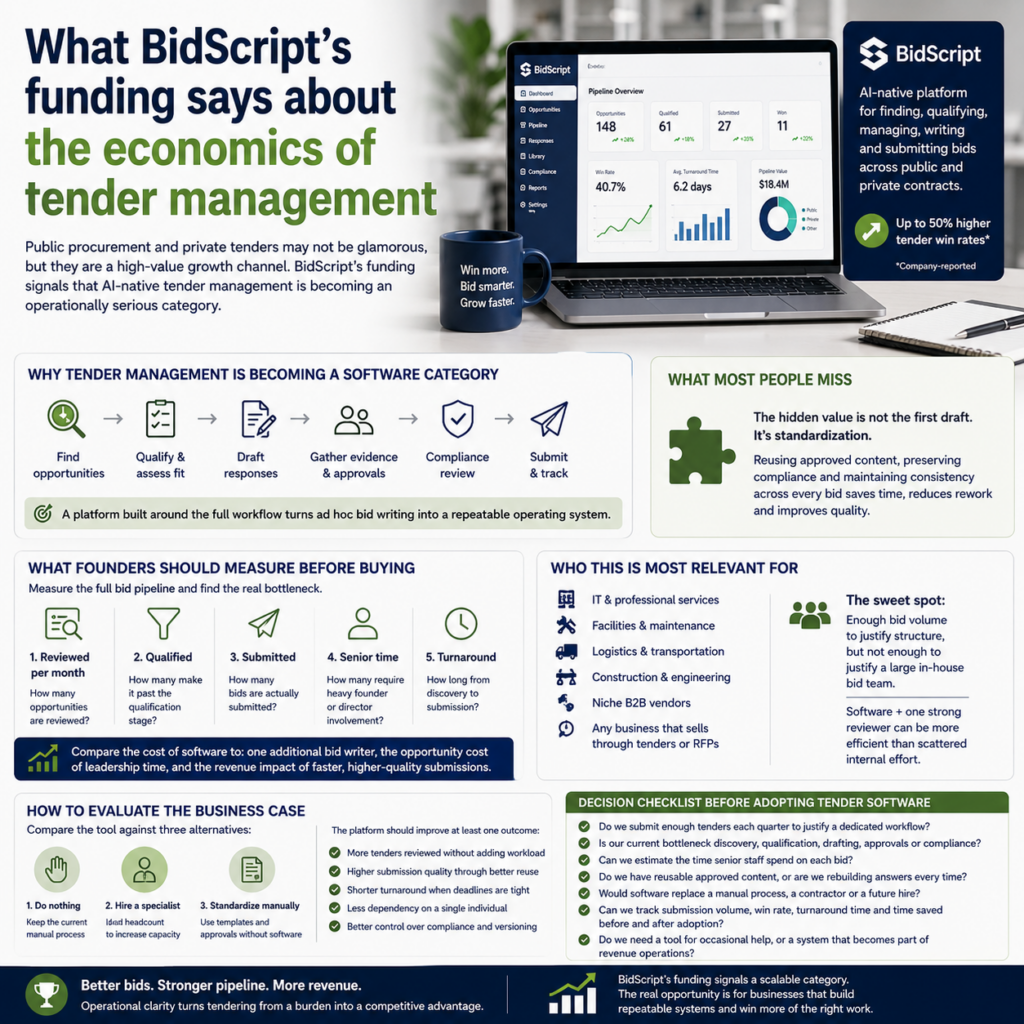
What BidScript’s funding says about the economics of tender management
Public procurement and private tenders are one of the least glamorous growth channels in business, but for many operators they are among the most valuable. […] ...
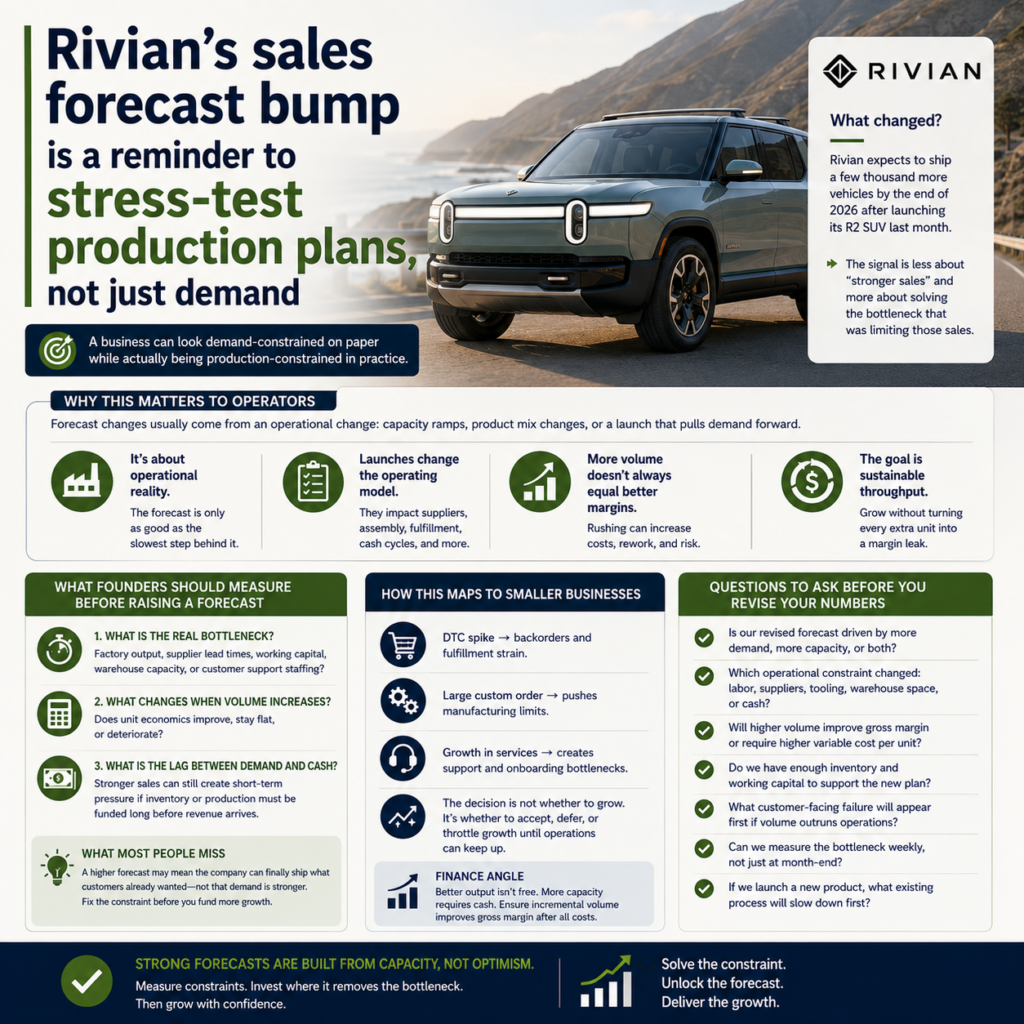
Rivian’s sales forecast bump is a reminder to stress-test production plans, not just demand
Rivian’s higher sales forecast is not just an EV story. It is a reminder that a business can look demand-constrained on paper while actually being […] ...