
Latest News
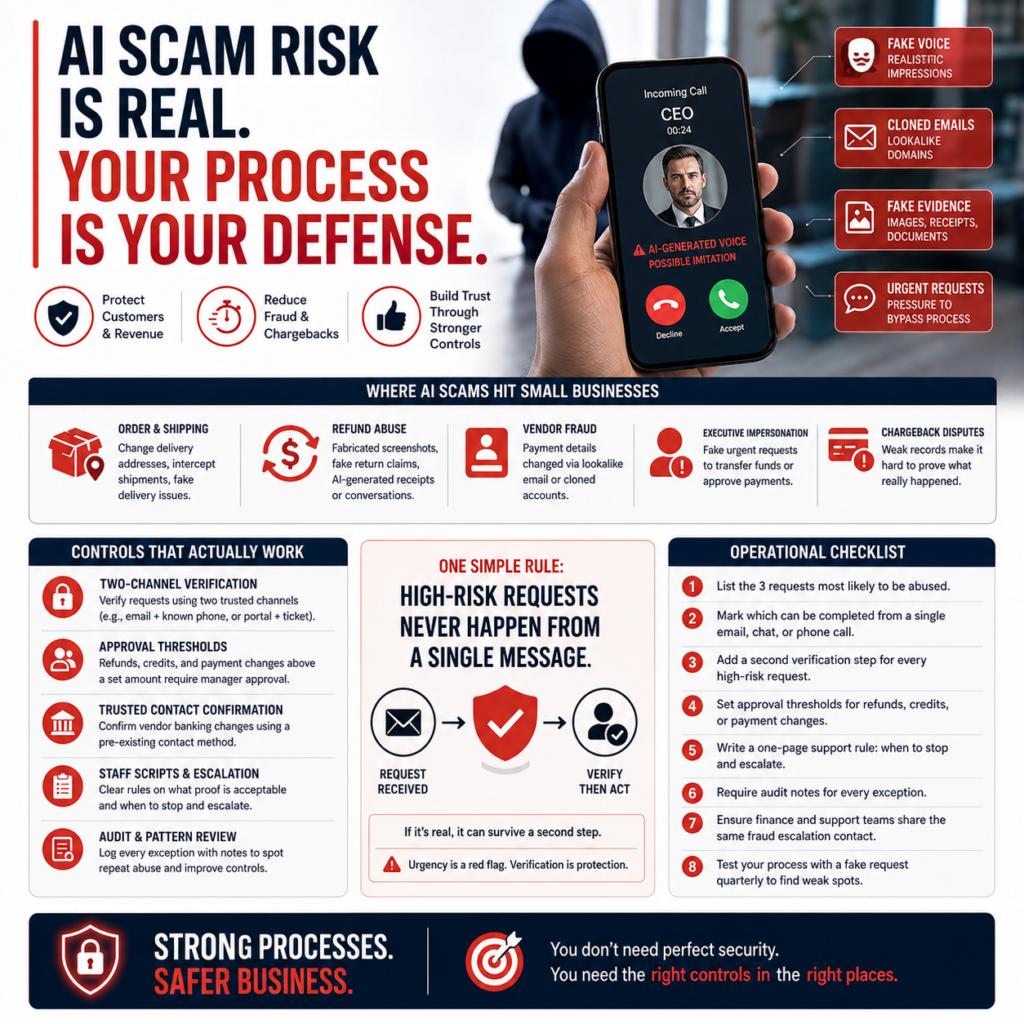
How Small Businesses Should Respond to AI Scam Risk: Customer Verification, Refund Rules, and Operational Controls
AI-generated scams are moving from obvious phishing attempts to realistic voice, image, and chat impersonation. For small businesses, that changes fraud from a back-office nuisance into an operating decision: who can authorize payments, who can request refunds, and how customers are verified before money moves. The useful question is not whether AI scams exist. It […]
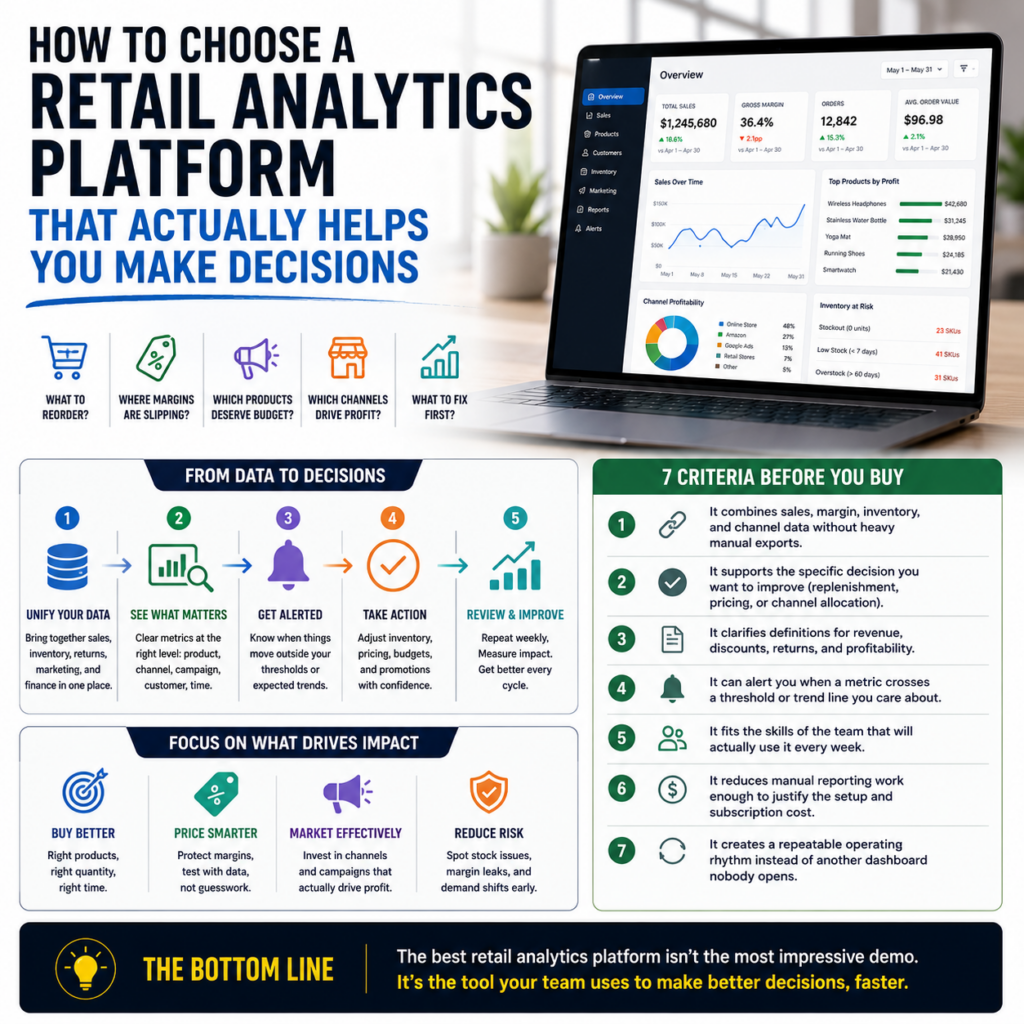
How to Choose a Retail Analytics Platform That Actually Helps You Make Decisions
For many small retailers and e-commerce operators, analytics software becomes a reporting layer that looks useful but does not change decisions. The right platform should answer specific questions: what to reorder, where margins are slipping, which products deserve budget, and which channels are producing profitable sales. That means the buying decision should start with workflows, […]
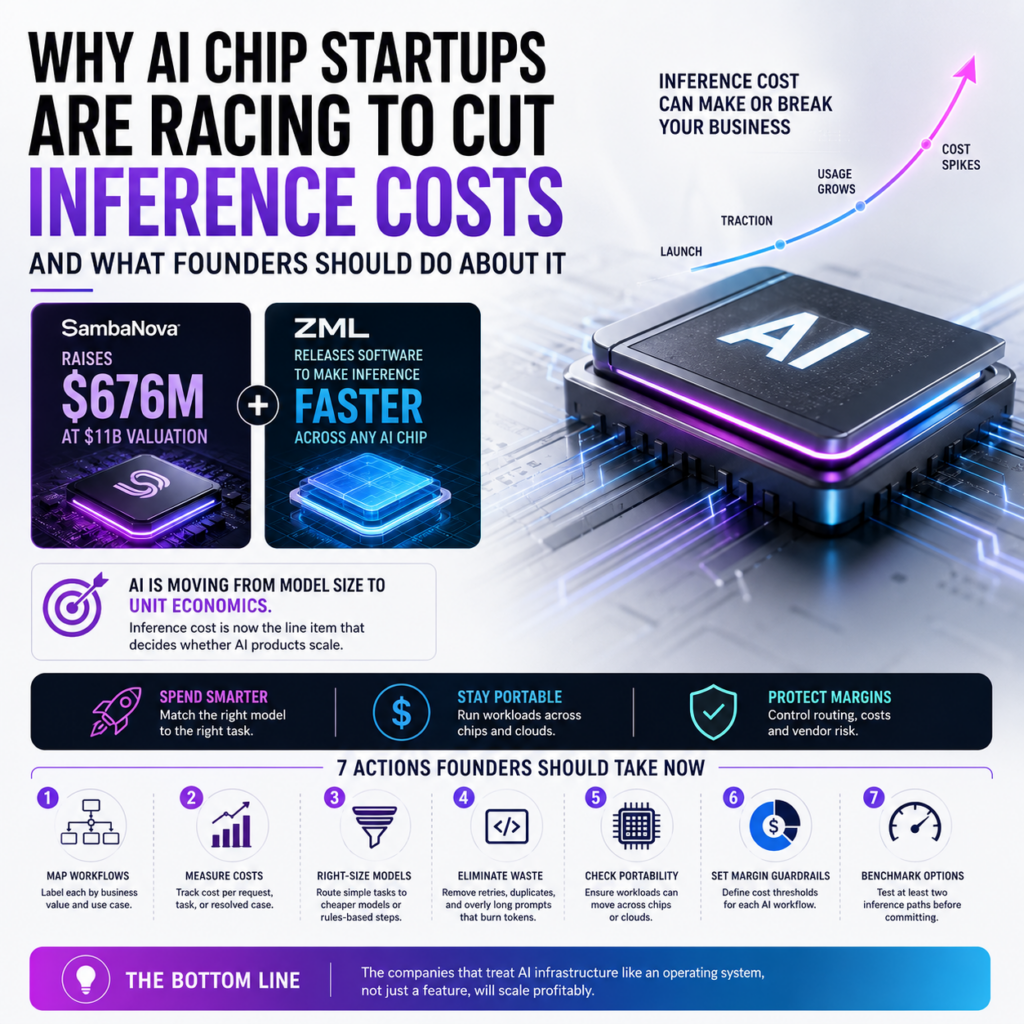
Why AI chip startups are racing to cut inference costs, and what founders should do about it
AI infrastructure is moving from a story about model size to a story about unit economics. Two TechCrunch reports from the same day point in the same direction: SambaNova raised a huge round at an $11 billion valuation, while ZML released software aimed at making inference run more efficiently across different AI chips. For founders […]
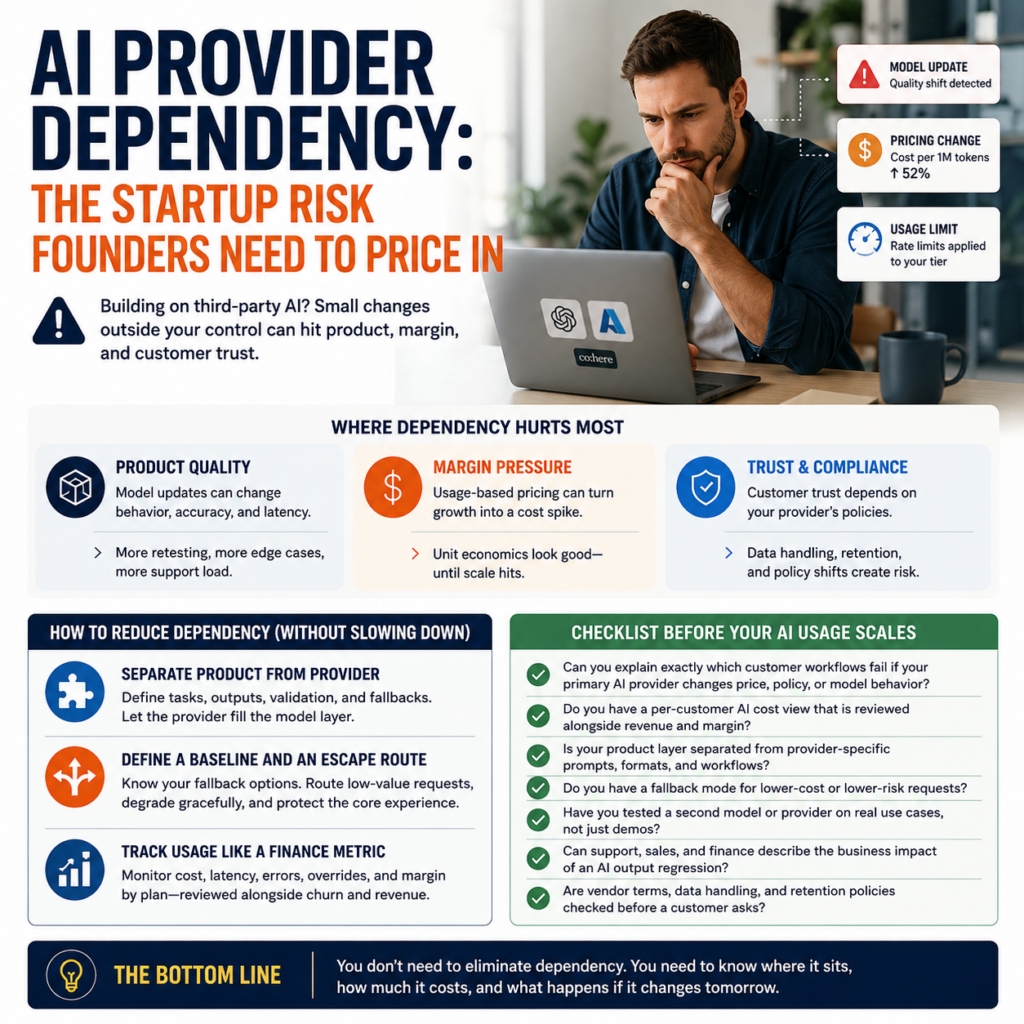
AI Provider Dependency: The Startup Risk Founders Need to Price In
For many founders, AI infrastructure feels easy until one provider change starts rewriting the business model. Model quality shifts, pricing changes, usage limits appear, and a product that looked stable suddenly depends on decisions made outside the company. If you are building on top of third-party AI, this is not a technical footnote; it is […]
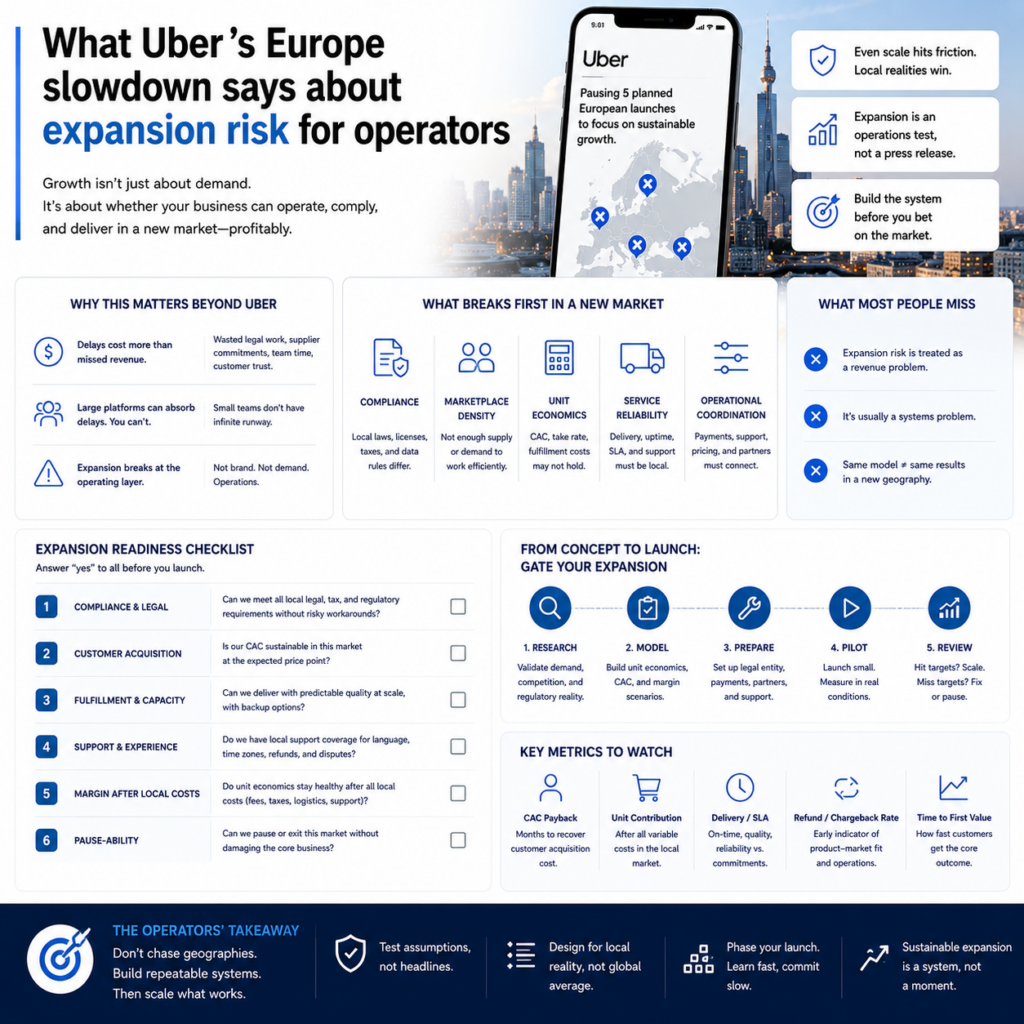
What Uber’s Europe slowdown says about expansion risk for operators
Uber’s reported pause on five of its planned European launches is more than a transport-industry update. It is a reminder that expansion plans fail most often at the operating layer: local regulation, unit economics, partner readiness, and the ability to manage exceptions market by market. For founders and operators, the useful question is not whether […]
Adapting to Market Changes Lessons from American Business Giants
Learn market adaptability strategies from American business giants like Apple and Amazon to drive agile innovation and diversification.
Tupperware’s Business Model Analysis Lessons from a Household Brand
Explore Tupperware’s business model analysis and digital adaptation strategies driving direct selling success and sustainable growth.
Building a Risk-Resilient Business in a Changing Economy
Uncover risk resilient business strategy tips: diversify, embrace agile models, and plan robustly to thrive amid economic challenges.
Harvard vs Wharton Business School Which Program Suits Your Business Goals
Compare Harvard vs. Wharton: Discover Harvard’s case study method and Wharton’s analytical finance curriculum to boost your small business leadership skills.