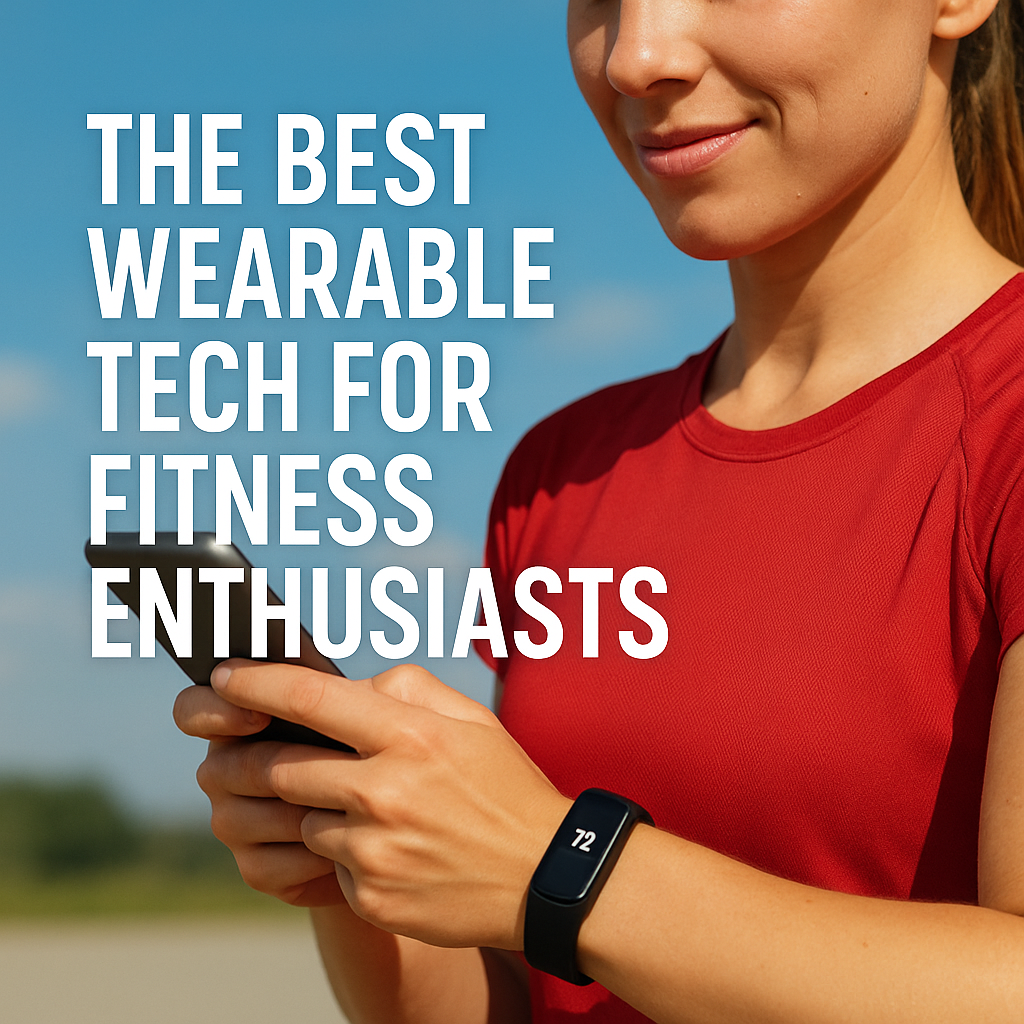
Wearable technology is transforming daily routines by seamlessly blending fitness and business. Busy entrepreneurs and small business owners now integrate exercise into demanding schedules with innovative devices that enhance performance and deliver valuable health insights. Embrace wearable tech to stay competitive while improving overall well-being.
Why Invest in Wearable Technology for Fitness?
Fitness is no longer reserved solely for athletes—it has become a global lifestyle trend embraced by professionals. Affordable, high-tech wearable fitness devices make it easy for anyone to access comprehensive health data. These devices not only track daily activities but also support a balanced routine that boosts both physical and mental performance. For entrepreneurs and small business owners, a healthy lifestyle directly correlates with increased productivity and enhanced creativity.
Wearable devices provide motivation by tracking daily progress, whether it’s counting steps or monitoring calories burned. They offer that extra push needed during busy schedules, leading to better decision-making, improved concentration, and sustained energy throughout the day.
Features to Look For in Smart Wearables
Today’s market offers advanced smart wearable fitness trackers equipped with features like heart rate monitoring. These devices deliver real-time insights into your cardiovascular health and provide long-term data trends to help refine your exercise routines. Whether you’re a fitness enthusiast or a busy professional, these insights are essential for maintaining optimal health.
Heart Rate Monitoring and Beyond
Advanced heart rate sensors have transformed the wearable tech industry. They monitor heart rate variability, ensuring you maximize workouts without overexerting yourself. Many devices also offer stress analysis and sleep tracking to present a complete picture of your overall well-being.
For intense workout routines, durable and waterproof wearable devices are a must. These robust gadgets can handle everything from high-intensity training to outdoor adventures, making them perfect for entrepreneurs who need reliable, multi-functional technology on the go.
Integrated Apps and Smart Connectivity
Modern wearable fitness devices come with integrated apps that sync effortlessly with smartphones, cloud storage, and desktop systems. This connectivity simplifies tracking progress and customizing fitness routines. With built-in notifications and reminders, these devices help you stay on top of both personal and professional commitments.
Wearable technology is evolving to monitor overall wellness, including sleep, stress, and calorie burn. By integrating these functionalities into your daily routine, you can optimize energy management, sharpen your focus at work, and develop a robust business strategy.
Choosing the Right Device for a Busy Lifestyle
Entrepreneurs and small business owners often face hectic schedules filled with meetings, deadlines, and networking events. Wearable tech offers a practical solution by merging functionality with convenience. Today’s market features a variety of options—from budget-friendly devices that pack essential features to advanced models offering comprehensive health analytics.
Many professionals appreciate the convenience and affordability of high-tech wearable devices. With features that emphasize durability and waterproof performance, these devices meet the demands of dynamic work environments while delivering an excellent return on investment in health and productivity.
When choosing wearable technology, consider factors such as brand reliability, ease of use, and customer support. Reviews from reputable sources like Forbes highlight the importance of durable, waterproof designs that serve as long-term investments in your health and well-being.
Integrating Wearable Tech with Business Life
Smart wearables offer benefits that extend well beyond personal fitness. They help manage overall wellness and play a critical role in effective leadership. By monitoring vital signs and prompting timely breaks, these devices enhance productivity and maintain mental clarity during long work sessions.
Entrepreneurs using wearable tech often notice improvements in both physical performance and mental focus. Simple reminders to stretch, hydrate, or meditate can lead to a more balanced and productive day. This holistic approach to health is supported by trends discussed on platforms like Forbes, emphasizing the connection between wellness and business success.
Many wearables also integrate with business applications, enabling users to track both health and productivity metrics. For example, platforms showcased by innovative business insights demonstrate how personal health data can provide valuable perspectives on time and energy management.
This integration of health and business data empowers entrepreneurs to maintain a competitive edge. Monitoring health on the go means you can adjust your strategies based on real-time insights, ensuring that wellness and work go hand in hand.
Customization options in many wearable devices allow you to tailor tracking settings to your fitness level. This personalized approach helps optimize performance and supports your business goals without compromising personal health.
In today’s fast-paced world, balancing work and well-being is essential. Wearable tech not only guards against burnout but also sets a powerful example for your team by fostering a culture of health and efficiency. Whether preparing for a board meeting or a team workout, these innovative devices enhance both physical and mental performance.
Investing in wearable technology is a forward-thinking strategy that combines smart fitness tracking with effective business management. As technology continues to evolve, future updates promise even greater integration with workplace tools, further blurring the lines between wellness and productivity.
- Advanced health tracking for a balanced lifestyle.
- Budget-friendly wearable devices with premium features.
- Smart fitness trackers with real-time heart rate monitoring.
- Durable, waterproof designs for intense workout routines.