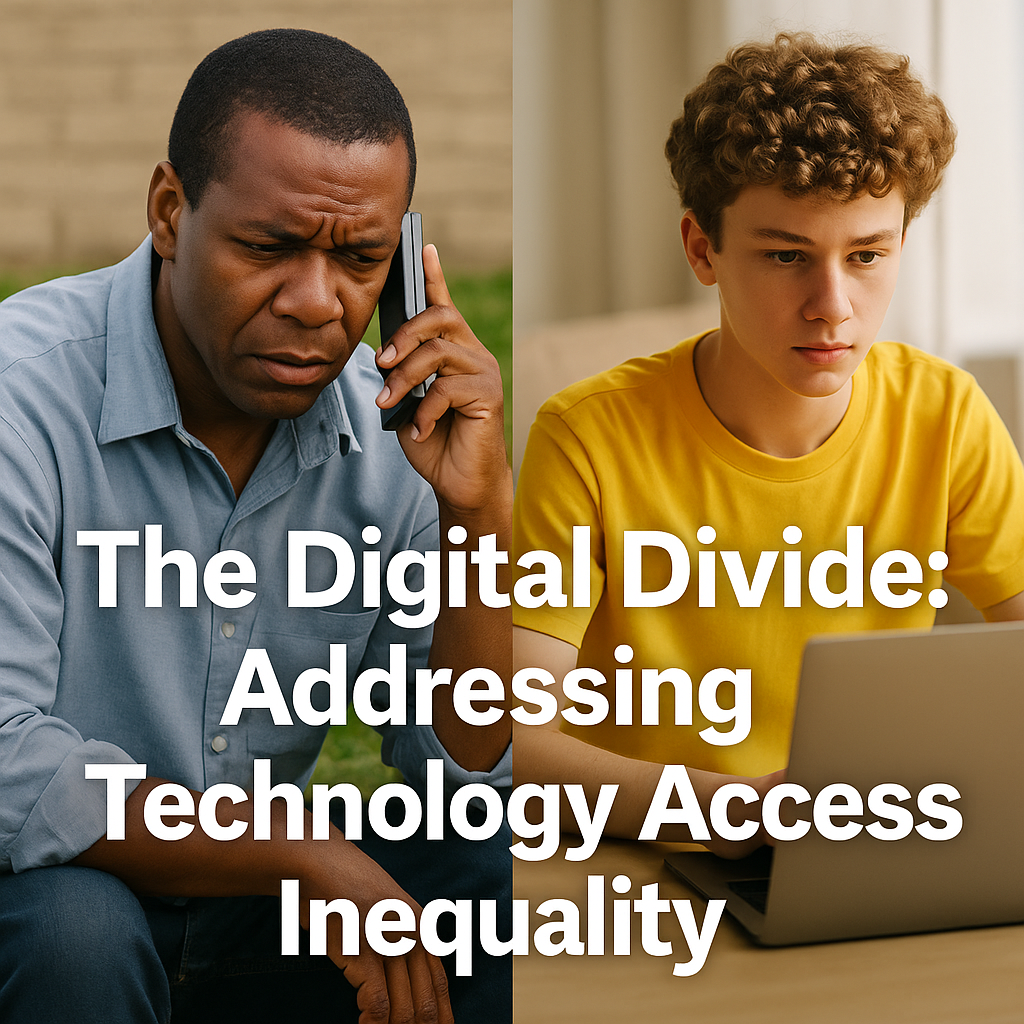
Technology is transforming every aspect of our lives, from business operations to daily routines. Yet, as digital solutions evolve, a widening gap persists between digitally advanced communities and those struggling with basic access. Entrepreneurs and small business owners face unique challenges in this landscape, as unequal technology access affects market reach, internal operations, and overall competitiveness. Understanding this digital divide is key to developing smarter business strategies and fostering a more inclusive economy.
Understanding the Impact on Business and Community
Regional disparities in technology access are influenced by a variety of factors, leaving segments of the population behind. This gap is more than just about faster internet or advanced devices; it represents lost opportunities, limited access to information, and stagnant economic growth. Without essential digital tools, communities face consequences that resonate both locally and globally.
Local businesses in underserved areas often struggle to compete with larger enterprises equipped with advanced marketing, analytics, and customer relationship management tools. For small business owners, overlooking these challenges can restrict growth, especially as consumers increasingly expect robust online engagement. Bridging the digital divide not only creates a fairer society but also leads to smarter, more adaptable business decisions.
Enhancing technology access also drives innovation. When communities are connected, individuals gain the skills to learn, collaborate, and contribute to the digital economy. This cross-pollination of ideas benefits entrepreneurs by fostering creative problem-solving and fueling business expansion.
Strategies for Overcoming Technology Access Inequality
Tackling technology access inequality requires a multifaceted approach that blends public policy with private innovation. Here are several proven strategies:
- Public-Private Partnerships: Collaborative efforts between governments, private companies, and local communities can secure the capital and expertise needed to enhance digital infrastructure. Many global initiatives have successfully improved connectivity through these alliances.
- Community-Based Solutions: Establishing local digital hubs, co-working spaces, and technology literacy programs tailors solutions to individual community needs and promotes digital education.
- Innovative Financing Models: Initiatives like affordable internet packages, subsidized devices, and micro-loans make modern technology more accessible. Entrepreneurial partnerships with financial institutions can create packages that empower underserved areas.
Implementing these strategies not only advances community development but also opens up new market segments. Local businesses that cater to previously excluded customers can innovate and scale, reaching broader audiences and revitalizing local economies.
Long-Term Solutions for Digital Divide Challenges
Bridging the digital divide is a long-term endeavor requiring sustained, integrated efforts. A robust strategy must address immediate needs while planning for future advancements.
Improving digital literacy is a vital first step. Businesses and educational institutions must invest in training programs to help individuals effectively use digital platforms, thereby turning access into economic and social opportunity.
Infrastructure development remains critical. Expanding broadband and cellular networks, especially in rural and economically challenged areas, demands targeted government policies and flexible planning to accommodate unique regional needs.
Moreover, promoting digital inclusion within businesses sets a valuable example for broader societal change. Implementing remote work policies, flexible operations, and comprehensive digital marketing can bridge internal gaps and stimulate community-wide progress. Adapting strategies from thought leaders, as seen in platforms like Forbes, can inspire effective initiatives.
Opportunities for Entrepreneurs and Small Business Owners
For entrepreneurs, the digital divide is not only a challenge but also an invitation to innovate and serve emerging markets. Improved technology access in underserved communities can unveil untapped customer bases. Whether through affordable tech products or tailored digital services, opportunities abound for creative solutions.
Small business owners can leverage the shift toward online engagement by transforming traditional models into hybrid solutions. Strategies like remote work policies and online sales platforms can enhance efficiency and differentiate your business in a competitive market. For more insights on navigating digital challenges, read our article on Digital Strategies for Small Businesses.
Investing in technology integration and digital outreach not only strengthens your business but also contributes to community growth. As digital literacy increases, local economies become more robust and engaged. Resources such as guidance for small businesses offer practical tips that empower owners to navigate the digital age successfully.
By taking proactive steps to bridge the digital divide, businesses can generate positive publicity and cultivate brand loyalty. Consumers value companies that embrace social responsibility, rewarding those who invest in community development and innovation.
As entrepreneurs share their success stories and best practices, collaboration with local governments and community organizations can accelerate progress. Combined efforts across stakeholders—from tech companies to local initiatives—can drive transformative change.
While initial investments in digital infrastructure, employee training, and outreach may seem daunting, these actions lay the groundwork for sustainable growth. In today’s dynamic business environment, forward-thinking enterprises will reap the rewards of long-term commitment to digital inclusion.
This comprehensive approach to addressing the digital divide is not just a social responsibility—it’s a strategic investment in the future. Enhancing technology access benefits economic performance and innovation on a global scale. Leaders who embrace these initiatives will find that the advantages extend well beyond immediate costs.
Collaboration is essential. Participation in regional tech forums, national digital literacy initiatives, and corporate social responsibility programs can spark significant change. By championing long-term digital inclusion, businesses create a ripple effect that strengthens local markets and the global economy alike.
Today’s entrepreneurs and business leaders are at a critical crossroads. The digital divide presents challenges, but also remarkable opportunities for innovation and market expansion. By viewing the gap as a landscape full of potential, and adopting adaptable, inclusive strategies, you can pave the way for meaningful and lasting change.
- Strong public-private collaborations drive meaningful progress.
- Local, community-specific initiatives create targeted solutions.
- Investing in digital literacy and robust infrastructure ensures long-term benefits.
- Entrepreneurs can tap into untapped markets while driving social innovation.